


Convert
Kenyan Shilling (KES) to RLC (RLC) Instantly


Purchase RLC (RLC) with Kenyan Shilling (KES) easily at Switchere and benefit from fast, secure transactions.
About
RLC (RLC)
iExec RLC (RLC) emerges as a pioneering decentralized network for cloud computing, creating a global marketplace where users can monetize their computing power, datasets, and applications. Built on the Ethereum blockchain, this digital asset platform addresses the limitations of traditional Web2 cloud services by offering on-demand access to compute resources in a secure, peer-to-peer manner. The core of its Web3 infrastructure lies in connecting resource providers with users, facilitating complex off-chain computation for dApps, AI model training, and big data processing. This approach democratizes access to powerful computational tools, fostering innovation across various high-demand sectors.
The technical foundation of iExec is its unique consensus mechanism, Proof-of-Contribution (PoCo), which validates the result of any off-chain computation before it's recorded on-chain. To ensure data privacy and cryptographic security, the platform heavily utilizes Trusted Execution Environments (TEEs), such as Intel SGX, for confidential computing. This allows sensitive data to be processed without being exposed to the resource provider. The native RLC utility token is central to the ecosystem's tokenomics; it functions as the exclusive medium of exchange for all transactions on the iExec marketplace, rewarding workers and enabling staking within worker pools.

How to Buy RLC (RLC)
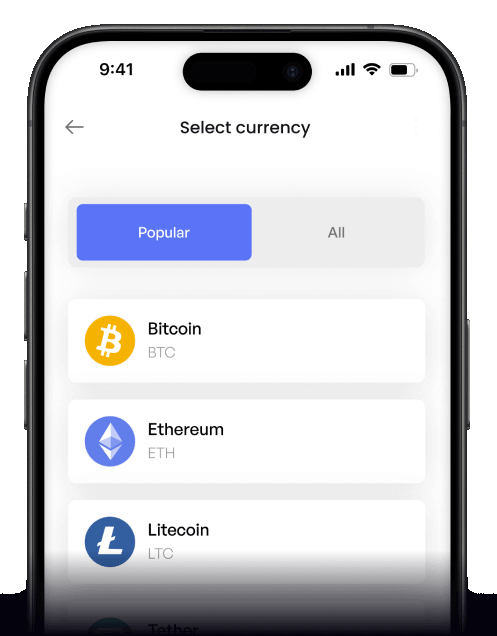
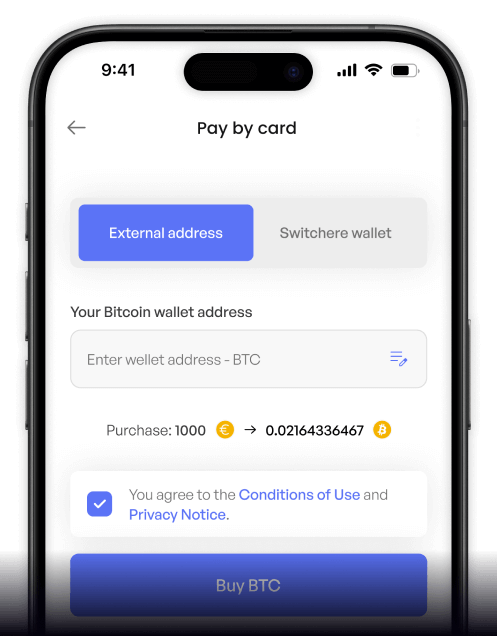
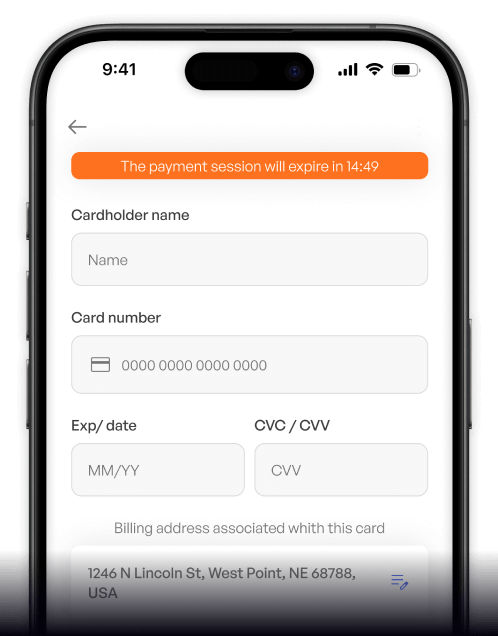
 Step-by-step guidance
 Easy credit card payments
 Streamlined purchase process
 Web
Web
Popular Coins for Kenyan Shilling (KES)





Other Coins for Kenyan Shilling (KES)










Frequently asked questions
-
What is the most common process for acquiring RLC tokens using Kenyan Shilling (KES)?
A direct KES/RLC trading pair is rare. The standard method is a two-step fiat on-ramp process. First, users on a cryptocurrency exchange with a P2P marketplace buy a stablecoin like USDT or BTC using KES, often via M-Pesa or a local bank transfer. After acquiring the stablecoin, they then use the platform's spot market to trade it for RLC. This requires completing KYC/AML compliance on the chosen exchange. -
What is the primary function of the RLC token within the iExec decentralized cloud computing ecosystem?
RLC is an ERC-20 utility token essential for accessing iExec's services. Its core function is to be the medium of exchange on the network's marketplace. Users spend RLC to rent computing power, data, and applications. Conversely, providers of these resources earn RLC. The token is also used for staking by workers through the Proof-of-Contribution (PoCo) mechanism, which ensures the validity of off-chain computations. -
How does iExec's Proof-of-Contribution (PoCo) provide trust for off-chain computation?
Proof-of-Contribution (PoCo) is a consensus protocol that validates the results of off-chain computations. It ensures that the correct result has been computed by having it certified on-chain. This is often achieved using Trusted Execution Environments (TEEs), which are secure areas inside a processor, to guarantee confidential computing. PoCo provides a verifiable link between the blockchain and external computational resources, which is fundamental to iExec's value as a Web3 infrastructure provider. -
What types of fees should I expect when performing a KES to RLC transaction?
The total cost involves several potential fees. First, there might be a fee from your payment provider (e.g., M-Pesa or bank) for the initial KES deposit. On the P2P platform, the exchange rate includes the seller's margin but direct fees are minimal. Then, you'll incur a trading fee for the crypto-to-crypto (e.g., USDT to RLC) trade. Finally, when moving your RLC to a personal digital wallet, you must pay a network withdrawal fee, which is the Ethereum gas fee since RLC is an ERC-20 token. -
After buying RLC with KES, what is the most secure way to store this digital asset?
For optimal security, you should transfer your RLC from the cryptocurrency exchange to a non-custodial digital wallet where you control the private keys. For significant amounts, a hardware wallet (like a Ledger or Trezor) is highly recommended. This practice of self-custody protects your digital assets from exchange-related risks such as hacks or insolvency. Always back up your wallet's seed phrase securely and never share it.

Buy on the go
Anywhere. Anytime.
Buy crypto with your credit card from anywhere. Live rates, transparent fees, and 3D Secure on every order - the full Switchere card-buy experience in your pocket.



Scan to download the app iOS and Android

