


Convert
Kenyan Shilling (KES) to Open Campus (EDU) Instantly


Purchase Open Campus (EDU) with Kenyan Shilling (KES) easily at Switchere and benefit from fast, secure transactions.
About
Open Campus (EDU)
Open Campus (EDU) is a pioneering Web3 education protocol designed to fundamentally reshape the global learning landscape by decentralizing control and returning value to educators and learners. Operating on the BNB Chain, this decentralized network tackles inefficiencies in the traditional education system by empowering content creators to tokenize their intellectual property. The core of its infrastructure involves Publisher NFTs, which are smart contracts that represent ownership and revenue-sharing rights for educational content. This blockchain technology enables a transparent and equitable system where educators can directly monetize their materials and co-own the content they create, fostering a more collaborative and innovative digital asset ecosystem for learning materials.
The EDU token is the native utility and governance token that fuels the entire Open Campus ecosystem. Its tokenomics are designed for deep integration and functionality. As a utility token, EDU is used for payments, giving users access to exclusive content, courses, and other educational products offered through the protocol. Furthermore, as a governance token, holders can participate in on-chain voting, influencing key decisions regarding the platform's development and treasury allocation. This community-led approach positions Open Campus as a key player in building a new, decentralized educational infrastructure, creating a global marketplace where knowledge itself becomes a verifiable and tradable digital asset on a public ledger.

How to Buy Open Campus (EDU)
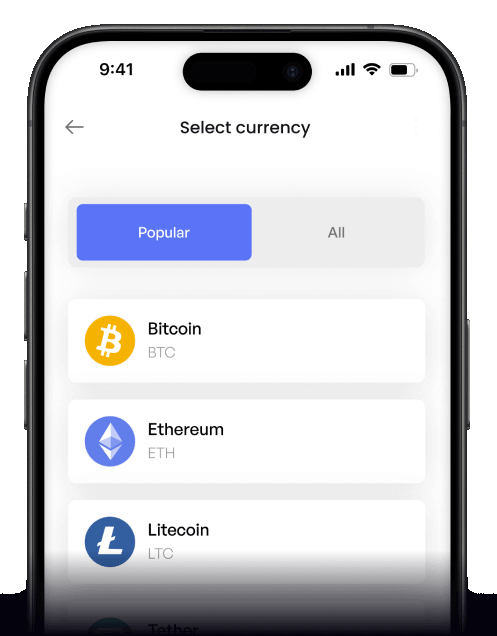
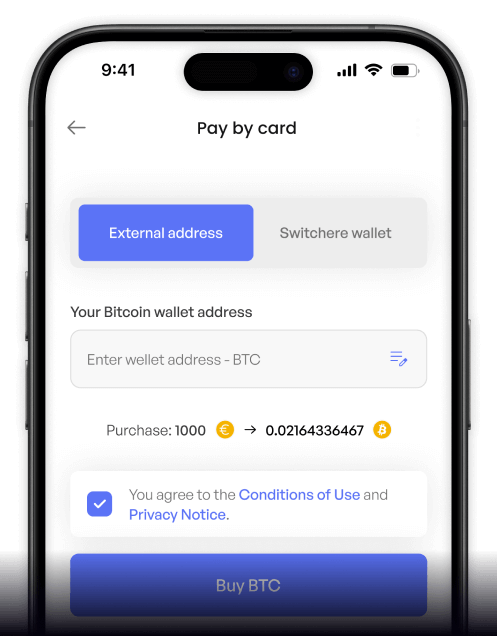
 Step-by-step guidance
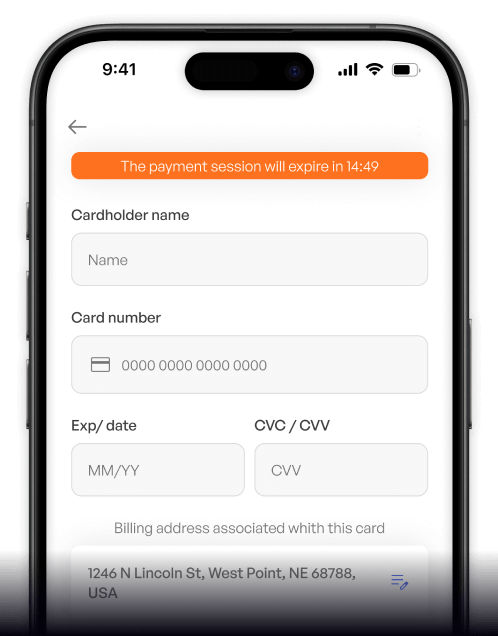
 Easy credit card payments
 Streamlined purchase process
 Web
Web
Popular Coins for Kenyan Shilling (KES)




Other Coins for Kenyan Shilling (KES)









Frequently asked questions
-
What is the most common way to buy Open Campus (EDU) with Kenyan Shilling (KES)?
Direct KES/EDU trading pairs are rare. The most common method is using a peer-to-peer (P2P) platform as a fiat on-ramp. Users typically buy a major cryptocurrency like USDT or BTC with KES, often via mobile money services like M-Pesa or a local bank transfer. Once the initial digital asset is secured, it can be transferred to a cryptocurrency exchange that lists the USDT/EDU or BTC/EDU pair to complete the trade for the Open Campus governance token. -
What is the primary function of the EDU token in the Web3 education ecosystem?
The EDU token is central to the Open Campus protocol, a decentralized education platform. Its primary functions are governance and utility. Token holders can vote on proposals influencing the protocol's direction. For utility, EDU is used for payments within the ecosystem, such as co-publishing educational content via Publisher NFTs, making smart donations to educators, and accessing exclusive content on partner learning platforms, thus promoting a creator-centric EdTech model. -
What are the key considerations when using M-Pesa for a KES to crypto transaction?
When using M-Pesa on a P2P exchange, prioritize security. Always use the platform's escrow service, which holds the crypto until you confirm receipt of KES. Verify the trader's reputation, including their completion rate and user feedback. Double-check that the name on the M-Pesa account matches the verified name on the P2P platform to comply with KYC/AML regulations and avoid third-party payment issues. Be mindful of transaction limits on your M-Pesa account. -
How can Kenyan content creators benefit from the Open Campus protocol and the EDU token?
Kenyan educators and creators can tokenize their educational content as 'Publisher NFTs' on the Open Campus platform. This allows them to co-publish their work, retain ownership, and earn revenue directly in EDU tokens when their content is purchased or used. They can then use P2P platforms to convert their EDU earnings into Kenyan Shilling (KES), creating a direct link between their digital content creation and local fiat currency income. -
After acquiring EDU, what is the best practice for storing this digital asset securely?
For long-term holding, it is highly recommended to move your EDU tokens from the cryptocurrency exchange to a personal digital wallet where you control the private keys. This can be a software wallet (like MetaMask or Trust Wallet) or, for maximum security, a hardware wallet. Storing assets in a non-custodial wallet minimizes the risk of loss from exchange-related security breaches and gives you full sovereignty over your digital assets.

Buy on the go
Anywhere. Anytime.
Buy crypto with your credit card from anywhere. Live rates, transparent fees, and 3D Secure on every order - the full Switchere card-buy experience in your pocket.



Scan to download the app iOS and Android

