


Convert
Kenyan Shilling (KES) to MultiversX (EGLD) Instantly


Purchase MultiversX (EGLD) with Kenyan Shilling (KES) easily at Switchere and benefit from fast, secure transactions.
About
MultiversX (EGLD)
MultiversX (EGLD), formerly known as Elrond, is a high-performance Layer 1 blockchain platform engineered to provide internet-scale throughput, security, and developer-friendly tools for Web3 applications. Its core mission is to solve the scalability trilemma, providing the foundational infrastructure for DeFi, NFTs, and the Metaverse without compromising decentralization. The network's impressive performance is driven by two key innovations: Adaptive State Sharding and a Secure Proof of Stake (SPoS) consensus mechanism. Adaptive State Sharding is a comprehensive scaling solution that parallelizes transaction and network processing across dynamic shards, enabling the blockchain to scale linearly with demand. This ensures low transaction costs and high throughput for a seamless user experience.
The SPoS consensus algorithm complements this scaling technology by providing enhanced security and efficiency, introducing a random selection of validators within shards to reduce latency and energy consumption. The native digital asset, EGLD, is the cornerstone of this ecosystem. It functions as a utility token for paying transaction fees, deploying smart contracts, and staking. Holders can stake their EGLD to participate in network validation, contributing to its cryptographic security while earning rewards. EGLD also serves as a governance token, allowing participants to vote on protocol upgrades, making it essential for all on-chain operations and interactions within its expanding suite of DeFi applications.

How to Buy MultiversX (EGLD)
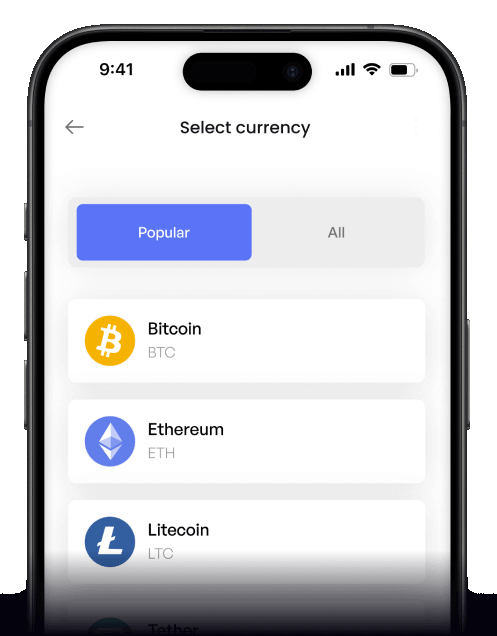
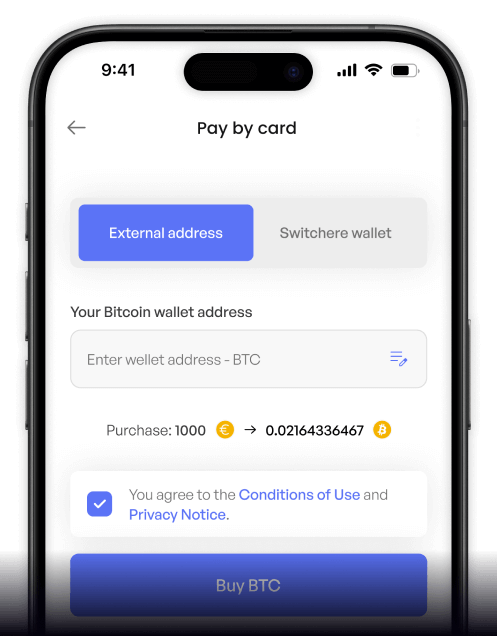
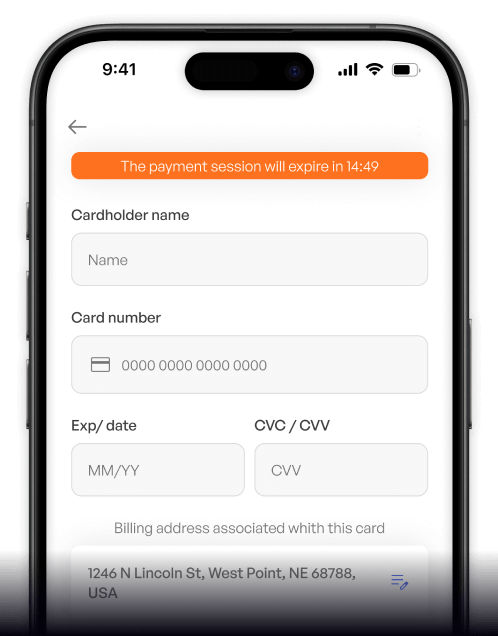
 Step-by-step guidance
 Easy credit card payments
 Streamlined purchase process
 Web
Web
Popular Coins for Kenyan Shilling (KES)





Other Coins for Kenyan Shilling (KES)








Frequently asked questions
-
What are the primary methods for purchasing MultiversX (EGLD) with Kenyan Shillings (KES)?
The most common fiat on-ramp for KES to EGLD involves using peer-to-peer (P2P) marketplaces on major cryptocurrency exchanges. These platforms allow you to directly buy the digital asset from vendors using popular local payment methods like M-Pesa and Kenyan bank transfers, facilitating a direct entry into the high-scalability MultiversX ecosystem. -
What kind of digital wallet do I need to securely store my EGLD after purchase?
To store your EGLD (eGold), you need a digital wallet compatible with the MultiversX network. The official xPortal App (formerly Maiar) is highly recommended for its user-friendly interface and direct integration with the ecosystem. For enhanced security, especially for larger amounts, consider using a hardware wallet. This wallet will also allow you to manage other MultiversX native assets, such as ESDT tokens. -
How does MultiversX's Adaptive State Sharding benefit my EGLD transactions?
Adaptive State Sharding is a key technology of the MultiversX blockchain that enables high scalability and low latency. It works by splitting the network's state and transaction processing across multiple 'shards'. For your KES to EGLD purchase, this means your subsequent on-chain EGLD transactions will be processed incredibly fast and at a very low cost, making the network efficient for everything from simple transfers to complex smart contract interactions. -
What does Secure Proof of Stake (SPoS) mean for someone holding EGLD?
Secure Proof of Stake (SPoS) is MultiversX's unique consensus mechanism. For an EGLD holder, it means you can participate in securing the network by staking your EGLD. By delegating your digital assets to a validator node, you contribute to transaction validation and block creation, and in return, you can earn staking rewards. This makes holding EGLD not just an investment but also a way to actively engage with the network's security and operations. -
Are there specific KYC requirements for KES to EGLD transactions in Kenya?
Yes, most regulated cryptocurrency exchanges and P2P platforms that facilitate KES to EGLD transactions require KYC/AML (Know Your Customer/Anti-Money Laundering) compliance. This typically involves verifying your identity by submitting a government-issued ID and sometimes a proof of address. This process is a standard for secure trading and helps prevent illicit activities, ensuring a safer environment for all users.

Buy on the go
Anywhere. Anytime.
Buy crypto with your credit card from anywhere. Live rates, transparent fees, and 3D Secure on every order - the full Switchere card-buy experience in your pocket.


Scan to download the app iOS and Android

