


- Accueil
- Convertisseur
- Kenyan Shilling (KES) pour Hooked Protocol (HOOK)

Convertissez
Kenyan Shilling (KES) en Hooked Protocol (HOOK) instantanément


Achetez Hooked Protocol (HOOK) avec Kenyan Shilling (KES) facilement sur Switchere et bénéficiez de transactions rapides et sécurisées.
A propos de
Hooked Protocol (HOOK)
Hooked Protocol (HOOK) est une plateforme d'apprentissage social gamifiée pionnière du Web3, conçue pour accélérer l'adoption de masse de la technologie blockchain. Elle fonctionne comme une rampe d'intégration cruciale, visant à éduquer et guider des milliards d'utilisateurs du Web2 vers l'écosystème décentralisé du Web3. Le protocole s'attaque à la courbe d'apprentissage abrupte souvent associée aux actifs numériques en intégrant des expériences d'apprentissage ludiques et une participation incitative grâce à son modèle innovant « Apprendre pour Gagner » (Learn-to-Earn). Cette approche transforme l'éducation en un parcours engageant, rendant les concepts complexes de la blockchain accessibles à un public grand public.
Construite sur la BNB Chain, la plateforme utilise un modèle à double jeton pour alimenter son écosystème. Le jeton utilitaire principal est le HGT (Hooked Gold Token), qui récompense les utilisateurs pour l'accomplissement de tâches éducatives. Le jeton HOOK sert de jeton de gouvernance principal, accordant aux détenteurs des droits de vote sur l'orientation future du protocole. De plus, HOOK est utilisé pour les frais de gaz au sein de son infrastructure de couche applicative, pour le staking afin de gagner des récompenses, et pour obtenir un accès exclusif à des événements spéciaux et à des NFT en édition limitée. En créant un point d'entrée fluide et gratifiant, Hooked Protocol s'impose comme une couche d'infrastructure fondamentale du Web3 axée sur la croissance de la communauté et l'éducation.

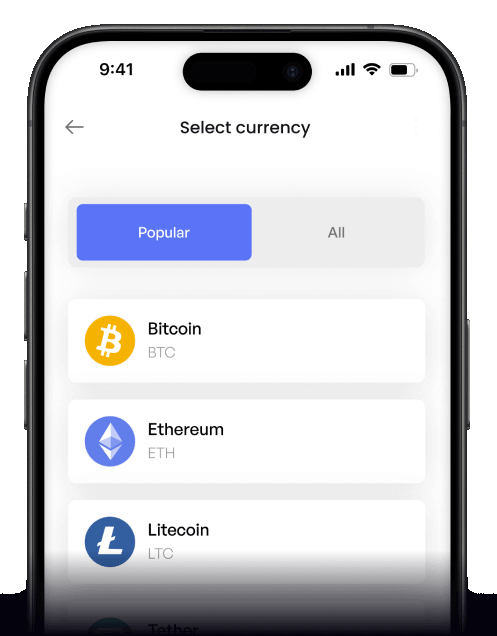
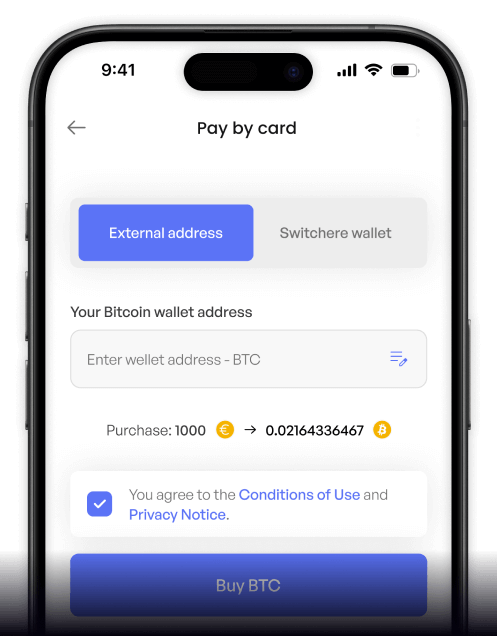
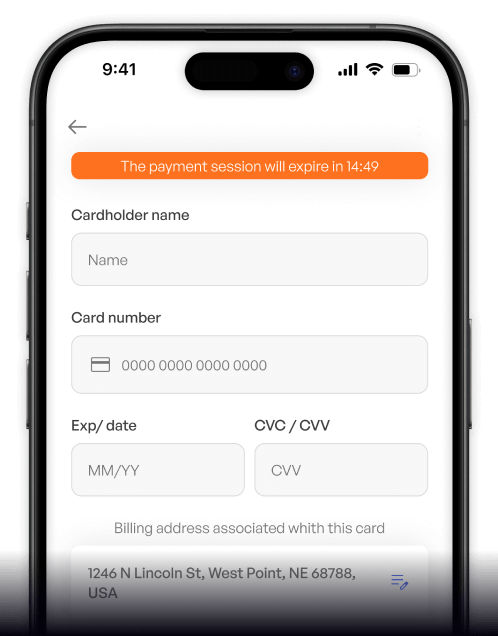
Comment acheter des Hooked Protocol (HOOK)
 Conseils étape par étape
 Paiements faciles par carte de crédit
 Processus d'achat simplifié
 Web
Web
Monnaies populaires pour Kenyan Shilling (KES)




Autres pièces pour Kenyan Shilling (KES)









Questions fréquemment posées
-
Quel est le processus le plus courant pour acheter Hooked Protocol (HOOK) avec le Shilling kényan (KES) ?
Une paire de trading directe KES/HOOK est rare. La méthode standard implique un processus de rampe d'accès fiat en two étapes. D'abord, utilisez un échange local kényan ou une plateforme P2P qui accepte M-Pesa ou les virements bancaires kényans pour acheter une crypto-monnaie majeure comme l'USDT ou le BNB. Ensuite, transférez cet actif numérique vers un échange de crypto-monnaies mondial qui liste HOOK, qui opère principalement sur la BNB Chain, et exécutez la transaction pour le jeton HOOK. -
Quelle est l'utilité principale du jeton HOOK au sein de son écosystème d'apprentissage social ludifié Web3 ?
HOOK est le jeton de gouvernance natif du protocole Hooked. Son utilité principale est d'accorder aux détenteurs des droits de vote sur les propositions qui façonnent l'avenir de la plateforme. De plus, le jeton HOOK est utilisé pour le jalonnement afin de gagner des récompenses, accéder à des événements communautaires exclusifs et comme jeton de gaz pour certaines activités sur la chaîne au sein de son infrastructure de rollup d'application, complétant le jeton utilitaire intégré à l'application, uHGT. -
Quels sont les frais généralement impliqués lors de la conversion de KES en HOOK ?
La conversion implique plusieurs étapes, chacune avec des frais potentiels. Attendez-vous à des frais de votre méthode de paiement (par ex. M-Pesa), des frais de transaction sur la plateforme P2P ou locale pour l'échange KES-vers-USDT/BNB, des frais de réseau blockchain (par ex. des frais de réseau BEP-20) pour transférer l'actif, et enfin, des frais de transaction sur l'échange mondial pour la transaction USDT/BNB-vers-HOOK. L'utilisation de la BNB Chain (BEP-20) pour les transferts peut souvent minimiser les coûts de réseau. -
Pourquoi est-il important d'utiliser un portefeuille numérique personnel après avoir acquis des jetons HOOK ?
Pour un trading sécurisé et un stockage à long terme, déplacer vos jetons HOOK d'un échange de crypto-monnaies vers un portefeuille numérique personnel (comme Trust Wallet ou MetaMask, configuré pour la BNB Chain) est une pratique de sécurité essentielle. Cela vous donne le contrôle exclusif de vos clés privées et de vos actifs numériques, les protégeant des risques spécifiques aux échanges comme les piratages ou les gels de fonds. Cela vous permet également d'interagir directement avec l'écosystème DApp du protocole Hooked pour le jalonnement ou la gouvernance. -
Y a-t-il des exigences de conformité KYC/AML lors de l'utilisation de KES pour un achat d'actifs numériques ?
Oui, toute rampe d'accès fiat ou échange de crypto-monnaies réputé qui facilite les transactions en KES vous demandera de compléter la procédure de connaissance du client (KYC) et de respecter les réglementations anti-blanchiment d'argent (AML). Cela implique généralement de vérifier votre identité avec des documents délivrés par le gouvernement et c'est une procédure standard pour garantir un trading sécurisé et prévenir les activités illicites.

Achetez où que vous soyez
Où que vous soyez. À tout moment.
Achetez des cryptomonnaies avec votre carte bancaire où que vous soyez. Taux de change en temps réel, frais transparents et 3D Secure pour chaque commande : toute l'expérience d'achat par carte Switchere à portée de main.



Scannez le code pour télécharger l'application sur iOS et Android

