


Convert
Kenyan Shilling (KES) to Just (JST) Instantly


Purchase Just (JST) with Kenyan Shilling (KES) easily at Switchere and benefit from fast, secure transactions.
About
Just (JST)
Just (JST) is a comprehensive decentralized finance (DeFi) ecosystem built on the TRON blockchain, designed to provide a suite of interconnected financial services. Its primary objective is to create an all-in-one platform for TRON users, centered around its decentralized stablecoin system, JustStable. Through this system, users can collateralize TRON's native token (TRX) in a Collateralized Debt Position (CDP) to mint USDJ, a stablecoin pegged 1:1 to the US Dollar. This core functionality provides liquidity and a stable medium of exchange for the entire digital asset ecosystem on the TRON network.
The platform's architecture extends beyond stablecoins to include JustLend, a money market protocol for lending and borrowing, and JustSwap, a decentralized exchange for seamless token swaps. This integrated approach aims to build a robust financial infrastructure. The native digital asset, JST, is a TRC-20 token that serves a dual purpose. As a utility token, it is used for paying interest on CDPs. More critically, JST functions as a governance token, empowering holders to participate in on-chain governance by voting on key parameters like stability fees and collateral types, thereby shaping the future development and stability of the decentralized network.

How to Buy Just (JST)
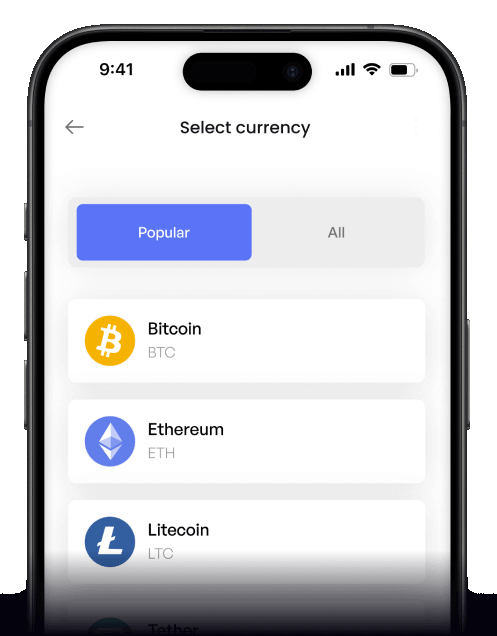
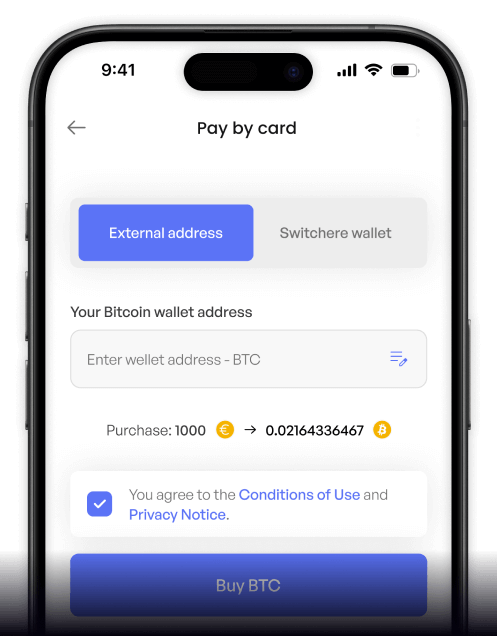
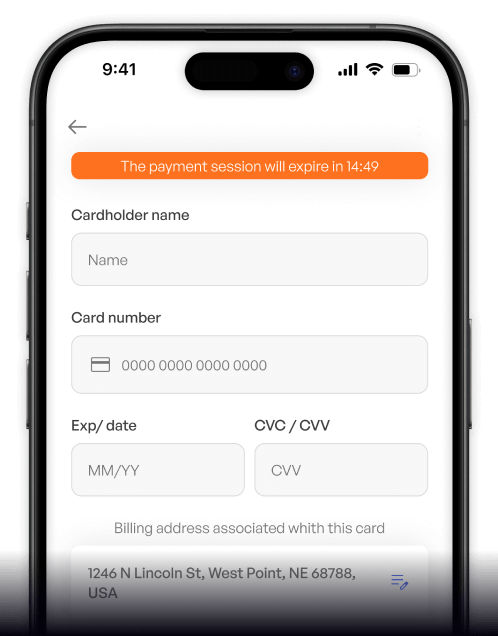
 Step-by-step guidance
 Easy credit card payments
 Streamlined purchase process
 Web
Web
Popular Coins for Kenyan Shilling (KES)





Other Coins for Kenyan Shilling (KES)










Frequently asked questions
-
What does the KES to JST pairing represent in the digital asset market?
The KES/JST pair represents a direct fiat on-ramp from the Kenyan Shilling (KES) to the Just (JST) token, a core component of the TRON DeFi ecosystem. This allows users in Kenya to convert their local currency into a TRC-20 governance token, enabling participation in the JUST platform's features, such as its collateralized debt position (CDP) system for minting the USDJ stablecoin, without first needing to acquire a major cryptocurrency like Bitcoin or Ethereum. -
What are the most common platforms for converting Kenyan Shillings (KES) to Just (JST)?
Converting KES to JST is often done through peer-to-peer (P2P) platforms or cryptocurrency exchanges that cater to the Kenyan market. P2P marketplaces are popular as they directly support local payment methods like M-Pesa. Alternatively, a user might use a global exchange that accepts KES deposits via bank transfer or card, buy a liquid asset like USDT or TRX, and then trade it for JST on the same platform's order book. -
Once I've made a JST digital asset purchase with KES, what is its primary utility on the TRON blockchain?
After acquiring JST, its main utility is within the JUST DeFi platform on the TRON blockchain. As a governance token, holding JST allows users to vote on proposals affecting the ecosystem. Additionally, it's integral to the stability of the USDJ stablecoin; JST is used to pay stability fees on collateralized debt positions (CDPs) and can be staked to earn platform rewards, making it a functional asset for yield farming and governance. -
What are the key security considerations for a first-time KES to JST transaction?
For your first KES to JST transaction, prioritize security. If using a P2P service with M-Pesa, only trade with verified vendors with high ratings and use the platform's escrow service. When using an exchange, enable two-factor authentication (2FA). Most importantly, ensure you have a secure, TRON-compatible digital wallet (like TronLink or a hardware wallet) ready to withdraw your JST TRC-20 tokens to, as leaving assets on an exchange exposes them to custodial risk. -
What kind of fees and KYC compliance are involved when using a fiat gateway to buy JST with KES?
When using a fiat gateway from KES to JST, expect several potential fees. These can include transaction fees from your payment provider (e.g., M-Pesa or bank), deposit fees on the exchange, and trading fees for the actual conversion. Reputable platforms will require KYC/AML compliance, which involves submitting identification documents to verify your identity, a standard practice for regulated digital asset exchanges in Kenya.

Buy on the go
Anywhere. Anytime.
Buy crypto with your credit card from anywhere. Live rates, transparent fees, and 3D Secure on every order - the full Switchere card-buy experience in your pocket.



Scan to download the app iOS and Android

