


- Hjem
- Konverterer
- Kenyan Shilling (KES) til UMA (UMA)

Konverter
Kenyan Shilling (KES) til UMA (UMA) umiddelbart


Kjøp UMA (UMA) med Kenyan Shilling (KES) enkelt hos Switchere og dra nytte av raske, sikre transaksjoner.
Om
UMA (UMA)
UMA, et akronym for Universal Market Access, er en desentralisert finansprotokoll (DeFi) bygget på Ethereum-blokkjeden. Hovedmålet er å muliggjøre opprettelsen av prisløse finansielle kontrakter og syntetiske eiendeler. Denne innovative tilnærmingen lar utviklere bygge og distribuere tilpassede finansielle derivater uten å stole på en kontinuerlig prisstrøm på kjeden, noe som kan være kostbart og et sentralt feilpunkt. UMA fungerer som et optimistisk orakel, et system som antar at data er korrekte med mindre det reises en tvist. Dette designet gir et fleksibelt og kraftig rammeverk for å bygge et bredt spekter av DeFi-applikasjoner, fra tokeniserte futures til krysskjede-broer, sikret av økonomiske insentiver i stedet for konstant datastrømming.
Kjernen i UMAs arkitektur er dens Data Verification Mechanism (DVM), et menneskedrevet tvisteløsningslag. Når en datatvist oppstår, blir UMA-tokeninnehavere bedt om å stemme og rapportere om riktig pris eller datapunkt, og fungerer som en "sannhetsmaskin" for protokollen. Det opprinnelige UMA-tokenet er derfor et avgjørende bruks- og styringstoken. Innehaverne er ansvarlige for å sikre det digitale aktivanettverket ved å delta i DVM-avstemninger og styre systemoppgraderinger. Denne unike tokenomics-modellen gjør UMA til en viktig del av Web3-infrastrukturen for å skape sikre, on-chain finansielle instrumenter som kan spore enhver virkelig verdi.

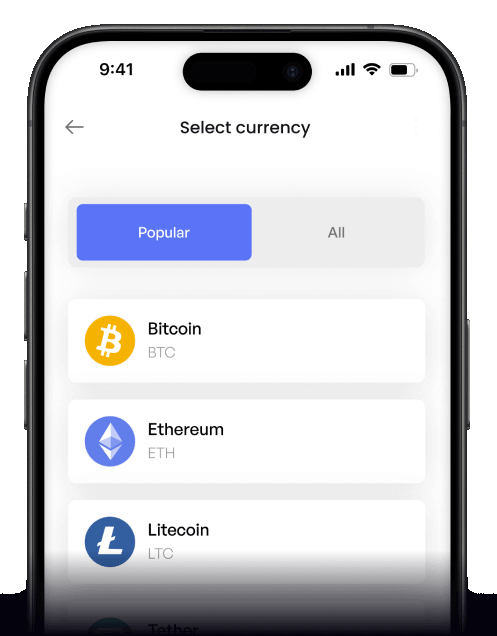
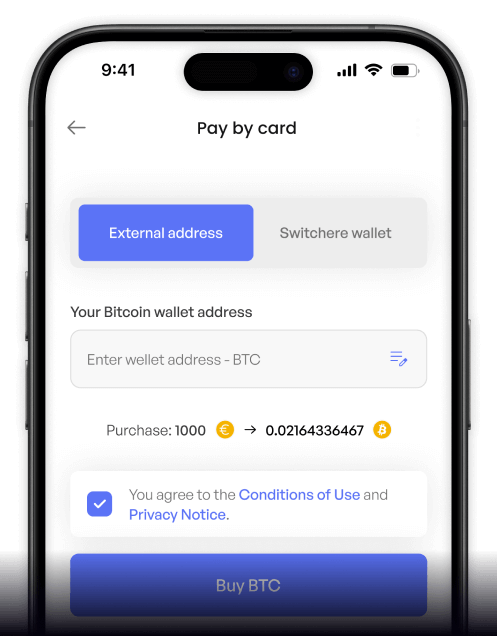
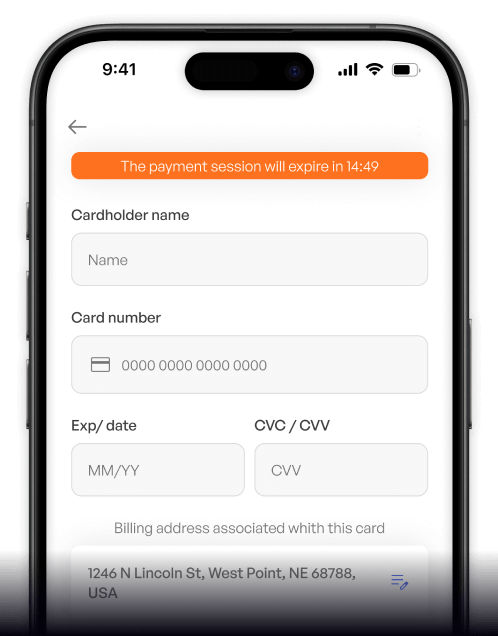
Hvordan kjøpe UMA (UMA)
 Trinn-for-trinn veiledning
 Enkle kredittkortbetalinger
 Strømlinjeformet kjøpsprosess
 Web
Web
Populære mynter for Kenyan Shilling (KES)





Andre mynter for Kenyan Shilling (KES)










Ofte stilte spørsmål
-
Hva representerer KES til UMA-handelsparet i markedet for digitale eiendeler?
KES/UMA-paret representerer en direkte fiat-inngangsport for å kjøpe UMA, styringstokenet til Universal Market Access-protokollen, ved å bruke kenyanske shilling. Dette lar brukere i Kenya investere direkte i UMAs økosystem, som fokuserer på et Optimistic Oracle (OO) og en Data Verification Mechanism (DVM) for å bygge desentraliserte finansielle produkter uten å måtte konvertere KES til en annen stor valuta som USD først. -
Hvilke betalingsmetoder brukes vanligvis for et kjøp av den digitale eiendelen UMA med KES?
For å kjøpe UMA med KES, bruker brukere på en kryptovalutabørs vanligvis lokale betalingsmetoder som er utbredt i Kenya. Den vanligste er mobilpengeoverføring via M-Pesa, etterfulgt av lokale bankoverføringer. Noen plattformer kan også støtte debet- eller kredittkortbetalinger, men alle vil kreve KYC/AML-samsvar for å koble til bank- eller mobilpengekontoen din for fiat-transaksjonen. -
Hva er den primære nytteverdien til UMA-tokenet anskaffet gjennom en KES-transaksjon?
UMA-tokenet kjøpt med kenyanske shilling tjener tre kjernefunksjoner. For det første er det et styringstoken, som lar innehavere stemme på protokolloppgraderinger og parametere. For det andre brukes det i Data Verification Mechanism (DVM), der tokeninnehavere fungerer som et orakel for tvisteløsning for å sikre datanøyaktighet for uvurderlige finansielle kontrakter. Til slutt sikrer det nettverket, inkludert nye systemer som oSnap-styringsverktøyet, ved å oppmuntre til ærlig deltakelse. -
Er det spesifikke blokkjedetransaksjonsgebyrer å vurdere når du flytter UMA kjøpt med KES?
Ja. Mens din første KES-transaksjon har fiat-behandlingsgebyrer, medfører det å flytte din UMA fra børsen til en selvforvaltet digital lommebok blokkjedenettverksgebyrer. UMA er et ERC-20-token på Ethereum-nettverket, så enhver overføring krever betaling av et 'gassgebyr' denominert i Gwei (en brøkdel av ETH). Dette gebyret svinger basert på nettverksoverbelastning og er atskilt fra eventuelle uttaksgebyrer handelsplattformen kan belaste. -
Hvordan gagner UMAs Optimistic Oracle-modell utviklere i det kenyanske markedet?
UMAs Optimistic Oracle (OO) er svært effektivt fordi det antar at data er riktige med mindre de bestrides, noe som minimerer on-chain-transaksjoner. For utviklere i Kenya betyr dette lavere driftskostnader og redusert forsinkelse når de bygger desentraliserte applikasjoner. Det muliggjør opprettelsen av sofistikerte syntetiske eiendeler og uvurderlige finansielle kontrakter som er økonomisk levedyktige, og fremmer innovasjon innen det lokale blokkjedeøkosystemet ved å gjøre avanserte DeFi-verktøy mer tilgjengelige.

Kjøp på farten
Hvor som helst. Når som helst.
Kjøp krypto med kredittkortet ditt fra hvor som helst. Live-kurser, transparente gebyrer og 3D Secure på hver bestilling - hele Switchere-kortkjøpsopplevelsen i lommen.



Skann for å laste ned appen for iOS og Android

