Convert
Peruvian Sol (PEN) to The Graph (GRT) Instantly
Purchase The Graph (GRT) with Peruvian Sol (PEN) easily at Switchere and benefit from fast, secure transactions.
About
The Graph (GRT)
The Graph (GRT) is a decentralized indexing protocol for querying and organizing data from blockchains, akin to a search engine for the Web3 ecosystem. It addresses a critical challenge in blockchain technology: the difficulty of efficiently retrieving specific on-chain data. Before The Graph, developers had to build and operate proprietary indexing servers, a resource-intensive process. This protocol provides a foundational middleware layer, enabling decentralized applications (dApps) to query complex smart contract data through open APIs called subgraphs, significantly streamlining the development of DeFi applications and other Web3 infrastructure.
At its core, the network utilizes a work token, GRT, to coordinate participants: Indexers, Curators, and Delegators. Indexers operate nodes and stake GRT to process queries and provide indexing services. Curators are subgraph developers or data consumers who signal which subgraphs are high-quality by staking GRT. Delegators contribute to network security by delegating their GRT to existing Indexers. This tokenomics model creates a vibrant data economy powered by cryptographic security. By leveraging GraphQL as its query language, The Graph offers a powerful tool, solidifying its position as an essential component for building truly decentralized applications on a global, verifiable digital ledger.
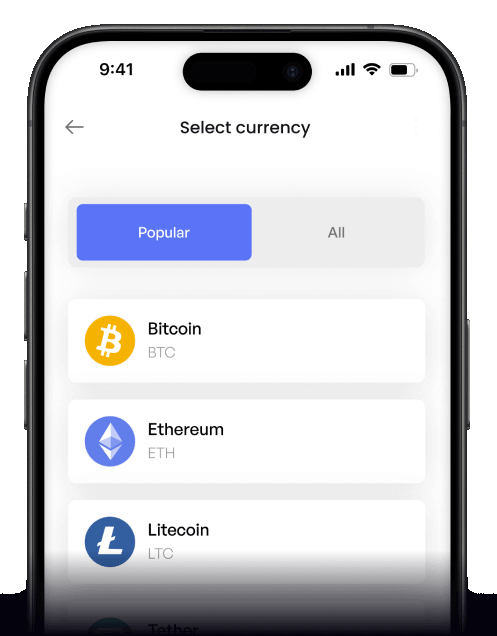
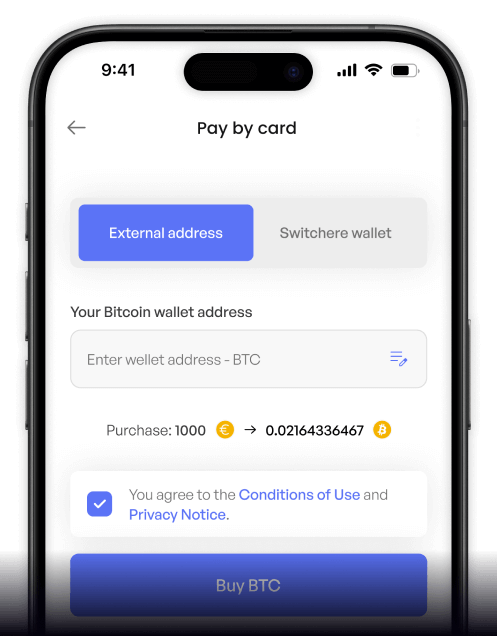
How to Buy The Graph (GRT)
Popular Coins for Peruvian Sol (PEN)
Other Coins for Peruvian Sol (PEN)
Frequently asked questions
-
What is the most common way to buy The Graph (GRT) with Peruvian Sol (PEN)?
Direct PEN to GRT trading pairs are rare. The standard method involves using a local Peruvian cryptocurrency exchange or a P2P platform as a fiat on-ramp. Users typically buy a stablecoin like USDT or USDC with PEN via local payment methods such as bank transfers (BCP, Interbank) or mobile payments (Yape, Plin). Afterwards, they transfer the stablecoin to a global exchange that lists GRT and execute the trade, effectively converting their PEN to this essential Web3 digital asset. -
What is the core function of The Graph (GRT) in the blockchain ecosystem?
The Graph is a decentralized indexing protocol for querying data from blockchains, similar to how search engines index the web. It allows developers to build and publish open APIs, called 'subgraphs,' making blockchain data easily accessible. This is critical for decentralized applications (dApps) that need to retrieve sorted, filtered, and specific on-chain data efficiently without running their own centralized indexing server, thereby enhancing the performance and decentralization of the Web3 data economy. -
After acquiring GRT, can I participate in The Graph's network?
Yes, holding GRT tokens allows you to actively participate in the network's data economy. You can act as a Delegator by staking your GRT with an Indexer to help secure the network and earn a share of query fees and indexing rewards. More advanced users can become Curators, who signal which subgraphs are valuable by staking GRT on them, or even run an Indexer node themselves. This token utility is fundamental to the protocol's operation and security. -
What are the typical transaction fees when converting from PEN to GRT?
The process involves multiple steps, each with potential fees. First, your fiat on-ramp in Peru might charge a deposit or purchase fee for the PEN transaction. Second, when you transfer the intermediate asset (e.g., USDT) to another exchange, you'll pay a blockchain network fee. Third, the global exchange will charge a trading fee (maker/taker fee) for the USDT/GRT transaction from its order book. Always review the fee schedule of each platform involved in the digital asset purchase. -
Are there specific KYC/AML compliance rules for using Peruvian Sol on crypto exchanges?
Yes, any reputable fiat gateway or cryptocurrency exchange operating with Peruvian Sol (PEN) will enforce strict Know Your Customer (KYC) and Anti-Money Laundering (AML) procedures. This is to comply with local and international financial regulations. Users must typically provide government-issued identification and sometimes proof of address to verify their identity before they can perform a digital asset purchase with fiat currency. This ensures a secure trading environment.