Convert
PEN to RPL Instantly
Peruvian Sol to Rocket Pool (ERC20) at the real-time exchange rate


Purchase RPL (ERC20) with Peruvian Sol (PEN) easily at Switchere and benefit from fast, secure transactions.
About
RPL (ERC20)
Accessing Ethereum's decentralized liquid staking ecosystem directly from Peru requires a reliable fiat on-ramp to buy RPL with PEN. The PEN to RPL converter reflects real-time market dynamics, synthesizing the local Peruvian Sol exchange rate against global crypto liquidity and Rocket Pool's governance token volatility. Users looking to participate in node operations or protocol governance must monitor this RPL to PEN rate closely to optimize their entry points.
Converting your local currency involves several practical considerations, including strict KYC/AML compliance by regional exchanges. Peruvian residents typically fund these transactions using standard credit or debit cards and domestic bank transfers, balancing convenience with associated gateway fees. Once the fiat conversion clears, the RPL tokens are dispensed via the Ethereum mainnet. Because RPL is an ERC-20 token, users must provide a compatible web3 wallet address and anticipate standard network gas fees and block confirmation times before their assets reflect in their custody.
This specific financial bridge allows investors and node operators in Peru to bypass intermediate USD conversions, reducing forex friction. Whether you are supplying collateral to the protocol or simply holding the asset, utilizing a direct exchange rate ensures a more streamlined entry into decentralized finance.

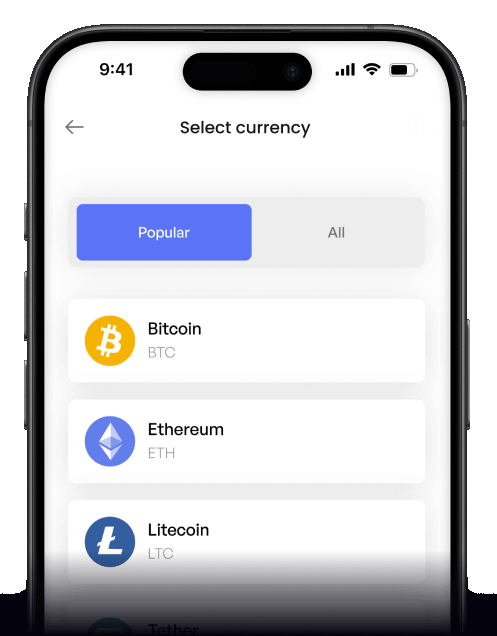
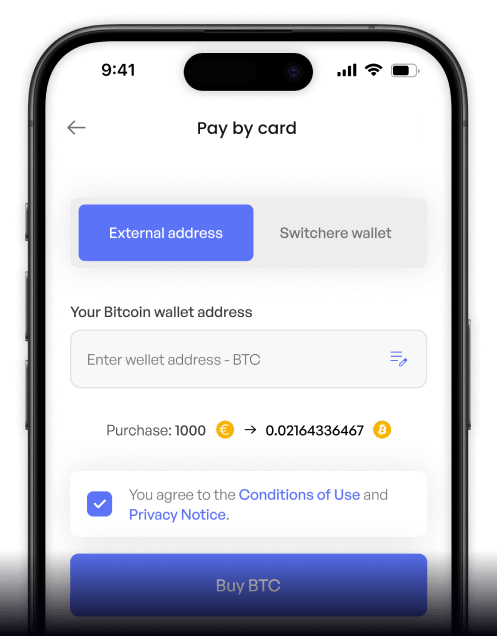
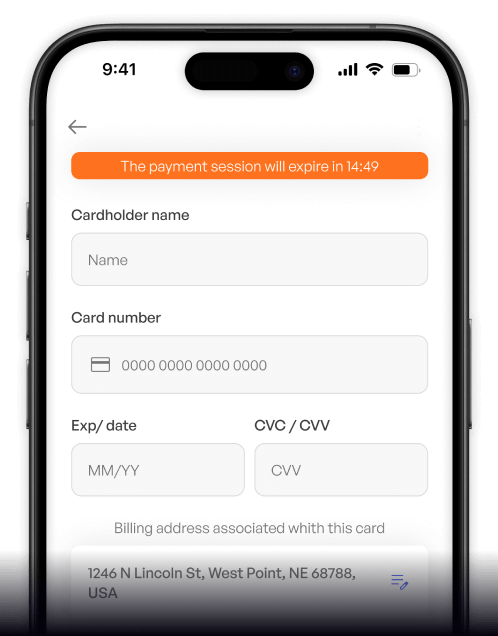
How to Buy RPL (ERC20)
 Step-by-step guidance
 Easy credit card payments
 Streamlined purchase process
 Web
Popular Coins for Peruvian Sol (PEN)


Other Coins for Peruvian Sol (PEN)


Frequently asked questions
-
What is the most common way to buy Rocket Pool (RPL) with Peruvian Sol (PEN)?
A direct PEN/RPL trading pair is highly unlikely to exist. The standard method is a multi-step process: first, use a fiat on-ramp exchange that accepts PEN via bank transfer to buy a major cryptocurrency like Ethereum (ETH). Then, transfer that ETH to a personal digital wallet compatible with the Ethereum network. Finally, use a decentralized exchange (DEX) to swap your ETH for RPL, interacting directly with a liquidity pool governed by smart contracts. -
What is the function of the RPL token within the Rocket Pool ecosystem?
RPL is a utility and governance token for the Rocket Pool decentralized staking protocol. Node operators are required to stake RPL as a form of insurance, which protects the protocol against penalties. Additionally, RPL token holders can participate in the protocol's governance, voting on key parameters and upgrades to the smart contracts that manage Ethereum staking and the issuance of the rETH liquid staking token. -
Why can't I find a direct PEN to RPL market on centralized crypto exchanges?
Centralized exchanges list trading pairs based on liquidity and trading volume. A PEN/RPL pair would have very low demand, making it difficult to maintain a healthy order book. Liquidity for DeFi tokens like RPL is concentrated on decentralized exchanges (DEXs) against core assets like ETH or stablecoins (USDC, USDT). This ensures efficient price discovery and minimal slippage for traders. -
What are the typical fees when converting PEN to RPL through the indirect method?
You will encounter several fees: 1) A deposit fee for your Peruvian Sol (PEN) on the initial exchange. 2) A trading fee for the PEN to ETH (or stablecoin) transaction. 3) A withdrawal fee to move the ETH to your personal wallet. 4) An Ethereum network gas fee (paid in Gwei) to execute the swap smart contract on the DEX. 5) A small liquidity provider fee charged by the DEX itself. It's crucial to account for all these costs in your transaction. -
What type of digital wallet is required to securely store Rocket Pool (RPL) tokens?
Since RPL is an ERC-20 token on the Ethereum blockchain, you need a wallet that supports the Ethereum network. For maximum security, a hardware wallet (like Ledger or Trezor) is recommended, as it keeps your private keys offline. For ease of use and interacting with decentralized exchanges (DEXs), a non-custodial software wallet like MetaMask or Trust Wallet is a popular choice. Never store significant assets on a centralized exchange long-term.

Buy on the go
Anywhere. Anytime.
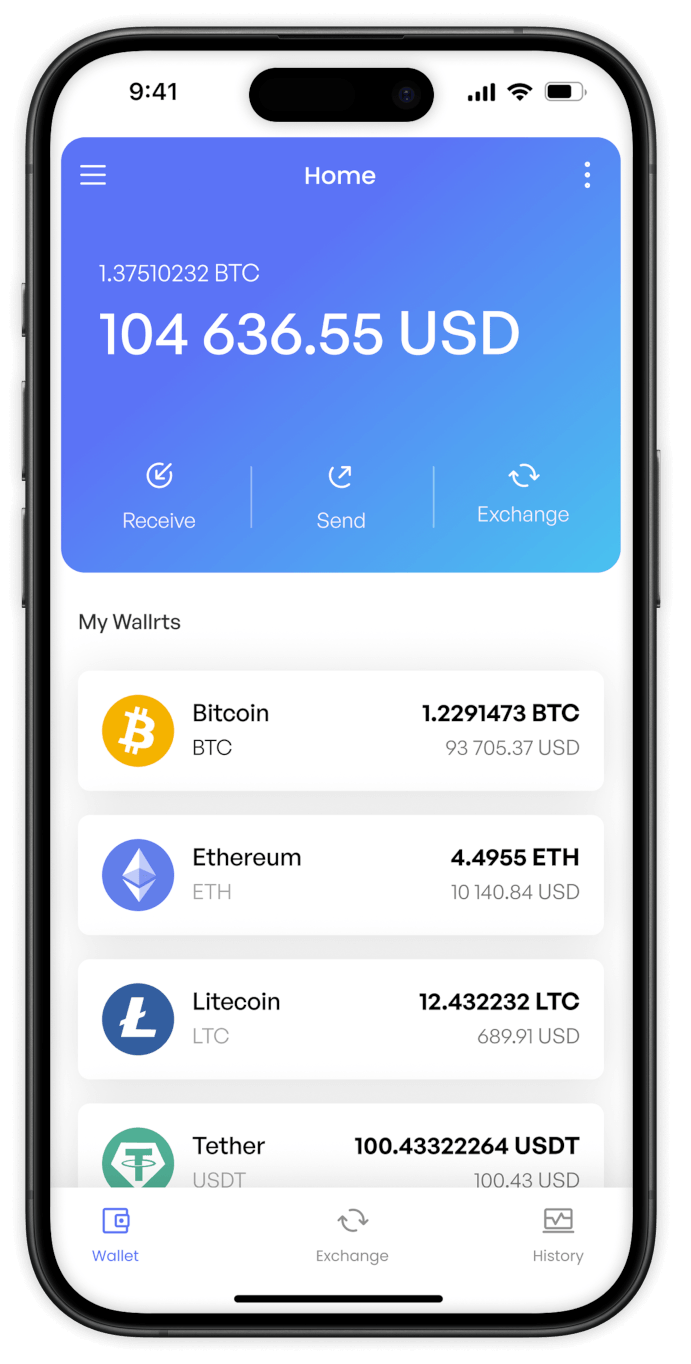
Buy crypto with your credit card from anywhere. Live rates, transparent fees, and 3D Secure on every order - the full Switchere card-buy experience in your pocket.



Scan to download the app iOS and Android