


Convert
Peruvian Sol (PEN) to SushiSwap (SUSHI) Instantly


Purchase SushiSwap (SUSHI) with Peruvian Sol (PEN) easily at Switchere and benefit from fast, secure transactions.
About
SushiSwap (SUSHI)
SushiSwap (SUSHI) is a prominent decentralized exchange (DEX) and automated market maker (AMM) operating across numerous blockchain networks. Initially conceived as a community-driven fork, SushiSwap aims to provide a comprehensive suite of DeFi applications by leveraging smart contracts to facilitate peer-to-peer trading of digital assets without intermediaries. Its core technology enables users to create or contribute to liquidity pools, earning rewards for providing capital, which in turn supports efficient token swaps and price discovery. This decentralized network architecture ensures cryptographic security and transparent on-chain operations for all participants.
The native SUSHI token is central to the platform's tokenomics, functioning as both a utility token and a governance token. Holders can stake SUSHI (often as xSUSHI) to receive a portion of the trading fees generated by the protocol, aligning user incentives with platform success. Furthermore, SUSHI holders participate in governance, voting on proposals that direct the platform's development and treasury management. SushiSwap has expanded beyond basic swaps to include products like Kashi for lending and borrowing, and MISO, an IDO launchpad, enhancing its Web3 infrastructure offerings. Its multi-chain presence solidifies its role as a key player providing diverse financial instruments within the decentralized finance ecosystem.

How to Buy SushiSwap (SUSHI)
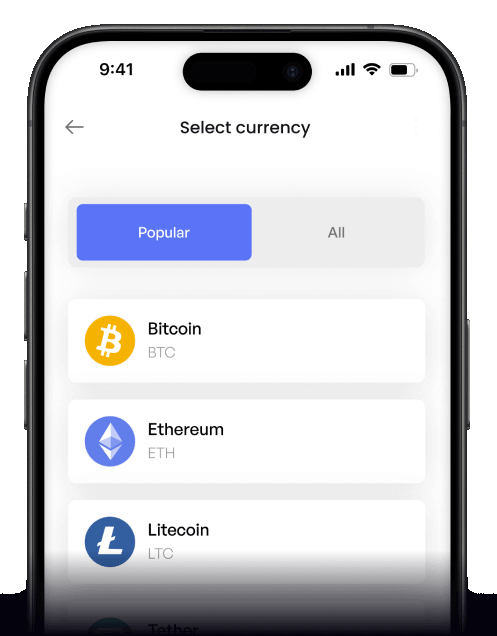
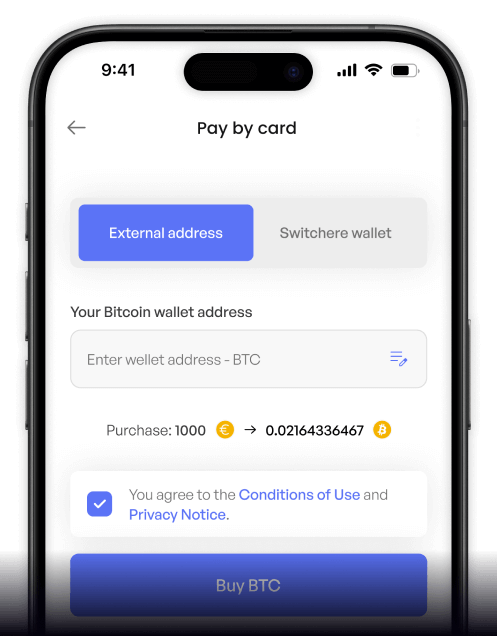
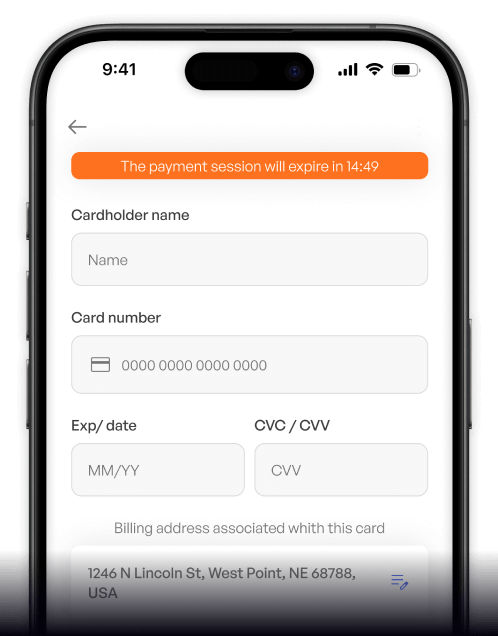
 Step-by-step guidance
 Easy credit card payments
 Streamlined purchase process
 Web
Web
Popular Coins for Peruvian Sol (PEN)




Other Coins for Peruvian Sol (PEN)




Frequently asked questions
-
What is the primary method for swapping PEN for SushiSwap (SUSHI) tokens?
The primary method is to use a decentralized exchange (DEX) like SushiSwap itself. This involves connecting a non-custodial digital wallet (e.g., MetaMask) to the SushiSwap platform, selecting the correct blockchain network where both assets reside, and executing a swap through their Automated Market Maker (AMM) liquidity pool for the PEN/SUSHI pair. -
What does being a Liquidity Provider (LP) for the PEN/SUSHI pool on SushiSwap entail?
Being a Liquidity Provider means you deposit an equal value of both PEN and SUSHI tokens into the corresponding liquidity pool. In return, you receive LP tokens representing your share. You can then earn a portion of the 0.25% trading fee from swaps in that pool. However, you must be aware of the risk of impermanent loss, where the value of your deposited assets can decrease compared to simply holding them. -
How does SushiSwap's multi-chain architecture benefit PEN/SUSHI traders?
SushiSwap is deployed on numerous blockchains (e.g., Ethereum, Polygon, Arbitrum). If both PEN and SUSHI tokens exist on these networks, traders can choose the network with the lowest gas fees and fastest transaction times. This provides flexibility and can significantly reduce the cost of executing a digital asset trade compared to being limited to a single, potentially congested Layer-1 network. -
What is xSUSHI and how does it relate to trading activity in pairs like PEN/SUSHI?
xSUSHI is the staked form of the SUSHI governance token. When you stake SUSHI in the SushiBar, you receive xSUSHI. A portion (0.05%) of the trading fees from all swaps across the entire SushiSwap protocol, including the PEN/SUSHI pair, is used to buy SUSHI from the market and distribute it to xSUSHI holders. Therefore, increased trading volume in any pair contributes to the rewards for those staking SUSHI. -
Besides the swap fee, what other costs are involved in a PEN to SUSHI transaction on a DEX?
The most significant additional cost is the network's 'gas fee'. This is a fee paid to the blockchain's validators or miners to process your transaction. Its cost varies based on network congestion. Another potential cost is 'slippage', which is the difference between the expected price of a trade and the price at which it is executed. Users can set a slippage tolerance percentage in the DEX interface to manage this risk.

Buy on the go
Anywhere. Anytime.
Buy crypto with your credit card from anywhere. Live rates, transparent fees, and 3D Secure on every order - the full Switchere card-buy experience in your pocket.



Scan to download the app iOS and Android

