Convert
PEN to STG Instantly
Peruvian Sol to Stargate Finance (ERC20) at the real-time exchange rate


Purchase STG (ERC20) with Peruvian Sol (PEN) easily at Switchere and benefit from fast, secure transactions.
About
STG (ERC20)
Evaluating the STG to PEN rate requires understanding the interplay between the Peruvian Sol's local forex stability and the broader decentralized finance market. A dedicated PEN to STG converter provides Peruvian users with real-time valuation, reflecting Stargate Finance's omnichain liquidity protocol dynamics and regional fiat market conditions. The exchange rate fluctuates based on STG token volatility, local liquidity depth, and overall demand for cross-chain bridging solutions.
To securely buy STG with PEN, users typically access fiat on-ramp services that comply with standard KYC/AML protocols. Common regional payment methods include bank transfers, credit cards, and local solutions like Yape or PLIN, which influence the final cost structure. When executing the conversion, you must specify a compatible wallet address, as STG operates across multiple networks via LayerZero technology. Ensure you select the correct blockchain network—such as Ethereum, BNB Chain, or Avalanche—to manage network fees and confirmation times effectively. This direct conversion pathway allows residents in Peru to seamlessly integrate their national currency into the evolving omnichain DeFi ecosystem.

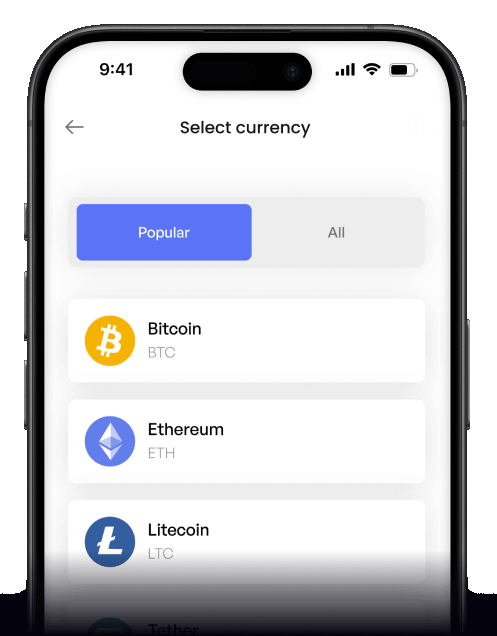
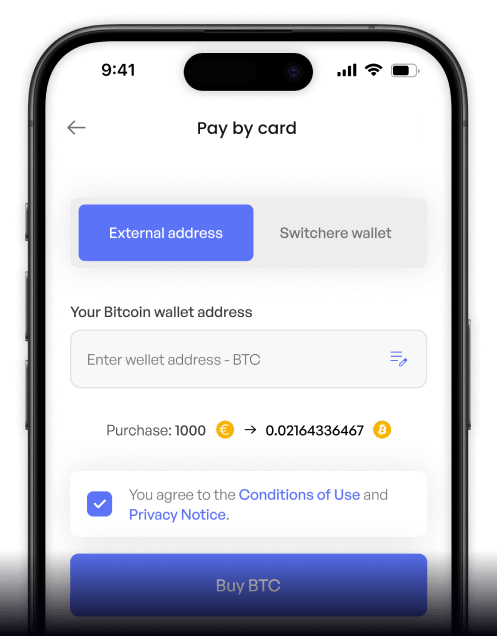
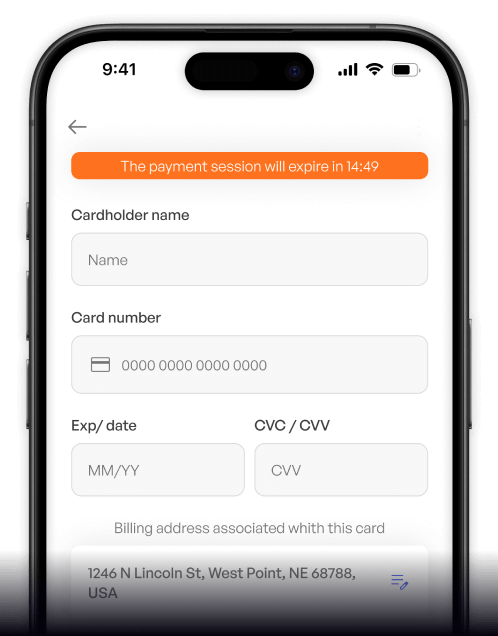
How to Buy STG (ERC20)
 Step-by-step guidance
 Easy credit card payments
 Streamlined purchase process
 Web
Popular Coins for Peruvian Sol (PEN)


Other Coins for Peruvian Sol (PEN)


Frequently asked questions
-
What does the PEN to STG trading pair represent in the crypto market?
The PEN to STG pair represents a fiat-to-crypto gateway, specifically for converting Peruvian Sol (PEN) into Stargate Finance (STG) tokens. Stargate Finance is a leading omnichain liquidity transport protocol built on the LayerZero infrastructure, designed to facilitate cross-chain swaps of native assets. This pair allows direct entry from the Peruvian fiat currency into a key component of the decentralized finance (DeFi) ecosystem focused on interoperability and unified liquidity. -
What is the typical process for buying STG tokens with Peruvian Sol?
A direct PEN/STG market is uncommon. The standard method involves a two-step process: First, use a fiat on-ramp exchange that accepts PEN to purchase a major cryptocurrency like USDT or ETH. This can often be done via Peruvian bank transfers (e.g., BCP, Interbank) or local payment systems. Second, transfer that acquired digital asset to an exchange that lists STG and execute a trade from your base crypto to Stargate Finance tokens. Always check the supported networks before transferring. -
What are the core technical functions of the Stargate Finance (STG) token within its ecosystem?
The STG token serves multiple critical functions. Primarily, it's a governance token; users can lock STG to receive veSTG, granting them voting rights on protocol decisions. It is also used to reward liquidity providers who add assets to Stargate's unified liquidity pools, which are essential for the protocol's Delta Algorithm (Δ) to facilitate efficient cross-chain transactions. Furthermore, staking STG helps secure the LayerZero messaging protocol on which Stargate is built, ensuring robust and reliable omnichain communication. -
What kind of fees should be anticipated when converting PEN to STG?
The conversion process typically incurs multiple fees. Expect a deposit fee for your PEN on the initial fiat-gateway exchange. Then, a trading fee for the PEN-to-base-crypto transaction (e.g., PEN/USDT). Following that, a network withdrawal fee to move your crypto to the second exchange. Finally, another trading fee for the base-crypto-to-STG swap (e.g., USDT/STG). It's crucial to account for all these steps to understand the total cost of acquisition. -
Are there specific KYC compliance steps when using PEN to enter the crypto market?
Yes, any reputable cryptocurrency exchange that functions as a fiat on-ramp for Peruvian Sol (PEN) will require mandatory KYC/AML (Know Your Customer/Anti-Money Laundering) verification. This process typically involves submitting a government-issued ID, such as a Peruvian DNI (Documento Nacional de Identidad), a proof of address, and sometimes a selfie for biometric verification. This is to comply with financial regulations and ensure a secure trading environment.

Buy on the go
Anywhere. Anytime.
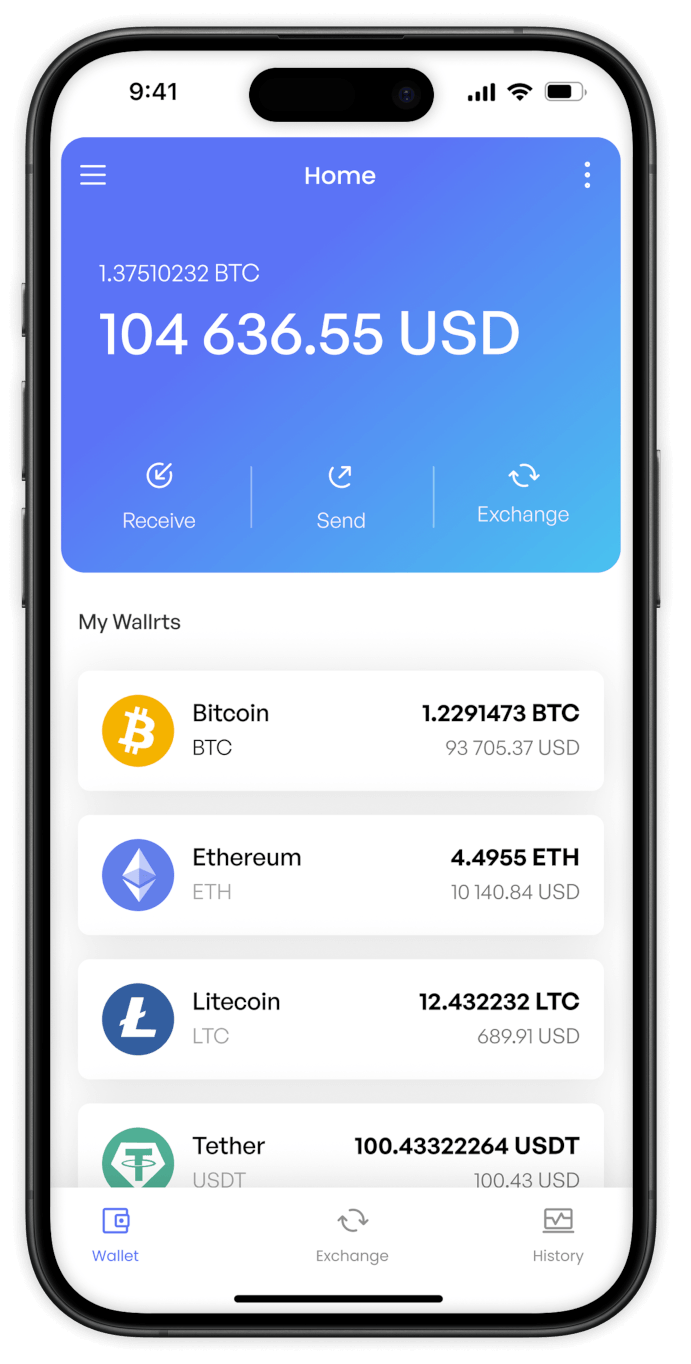
Buy crypto with your credit card from anywhere. Live rates, transparent fees, and 3D Secure on every order - the full Switchere card-buy experience in your pocket.



Scan to download the app iOS and Android