Convert
PEN to USDT Instantly
Peruvian Sol to Tether (SPL) at the real-time exchange rate


Purchase USDT (SPL) with Peruvian Sol (PEN) easily at Switchere and benefit from fast, secure transactions.
About
USDT (SPL)
Understanding the USDT to PEN rate is essential for Peruvian users looking to access dollar-pegged stablecoins via high-speed blockchain infrastructure. Converting Peruvian Soles into Tether on the Solana network (SPL standard) offers a highly efficient fiat on-ramp. The exchange rate is primarily influenced by the global liquidity of USDT, the local FX market for the PEN, and the micro-cent network fees characteristic of the Solana blockchain. Using a reliable PEN to USDT converter ensures users receive accurate, real-time quotes before executing trades.
To buy USDT with PEN, users in Peru typically leverage local payment channels such as direct bank transfers, Yape, Plin, or credit and debit cards, all subject to standard KYC/AML protocols. Once the transaction clears, the USDT is transferred directly to the user's Solana wallet address. Because this utilizes the SPL token standard, confirmation times are nearly instantaneous, bypassing the congestion often seen on other networks. This fiat-crypto pair is highly favored by South American users seeking to hedge against local currency fluctuations, send efficient cross-border remittances, or interact seamlessly with the broader digital asset ecosystem.

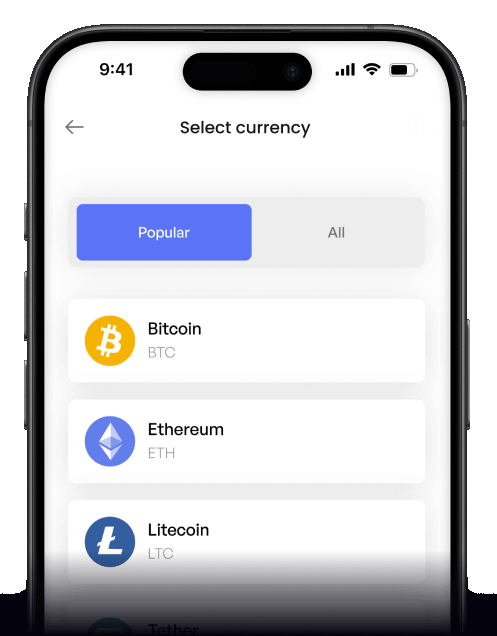
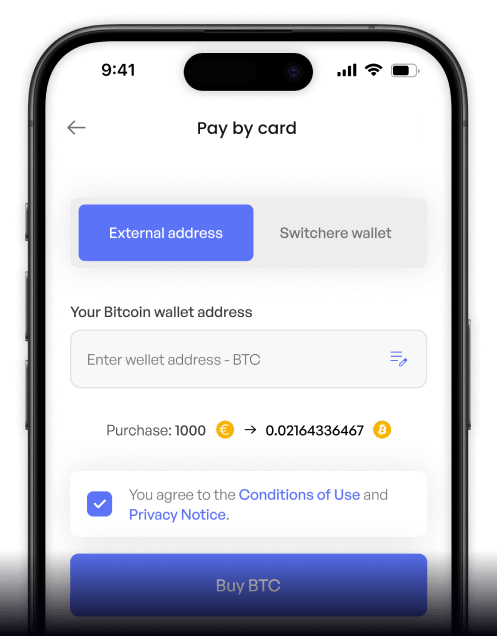
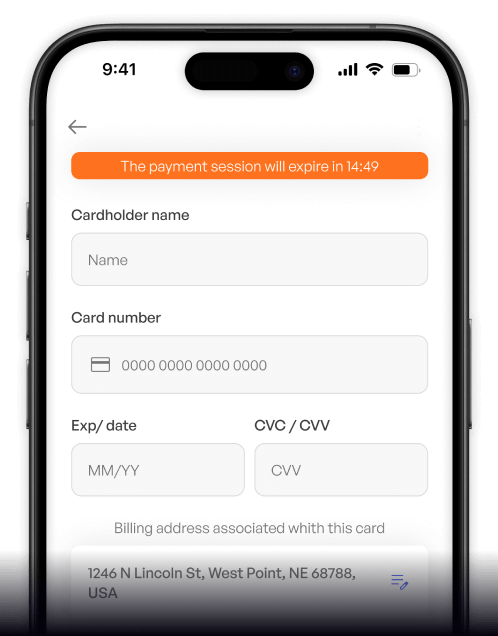
How to Buy USDT (SPL)
 Step-by-step guidance
 Easy credit card payments
 Streamlined purchase process
 Web
Popular Coins for Peruvian Sol (PEN)


Other Coins for Peruvian Sol (PEN)


Frequently asked questions
-
What is the most efficient way to convert Peruvian Sol (PEN) to USDT on the Solana network (USDT SPL)?
The most efficient fiat on-ramp for converting Peruvian Soles (PEN) to USDT (SPL) is typically through localized Peer-to-Peer (P2P) cryptocurrency exchanges or centralized trading platforms that support LATAM currencies. Users can utilize local payment methods like Yape, Plin, or direct interbank transfers (CCI) to purchase the stablecoin. Ensure the exchange supports withdrawals specifically via the Solana network (SPL token standard) to benefit from its high throughput and low transaction fees. -
Why should I choose the USDT (SPL) pairing over other networks when buying Tether with PEN?
Purchasing Tether as an SPL token on the Solana blockchain offers significant technical advantages compared to Ethereum (ERC-20) or Tron (TRC-20). The Solana network utilizes a unique Proof of History (PoH) consensus mechanism, resulting in ultra-low latency and minimal network fees, often fractions of a cent. This makes PEN to USDT (SPL) transactions highly cost-effective for everyday digital asset purchases and seamlessly integrates with the robust decentralized finance (DeFi) ecosystem on Solana. -
Which digital wallets are required to securely store USDT (SPL) purchased with Peruvian Soles?
To securely store USDT (SPL) after your fiat-to-crypto transaction, you need a non-custodial digital wallet compatible with the Solana ecosystem. Popular and highly secure options include Phantom, Solflare, and Backpack. When withdrawing your newly purchased digital assets from an exchange order book to your personal wallet, always double-check the network selection to avoid permanent loss of funds, and ensure you hold a small amount of SOL to cover future gas fees. -
What typical fees and processing times should I expect when executing a PEN to USDT (SPL) transaction?
The total cost structure involves two phases. First, the fiat gateway fee for processing your PEN via local banking rails like a bank wire or mobile app transfer, which usually settles within minutes to a few hours depending on the platform's liquidity. Second, the blockchain transaction fee when moving the USDT onto the Solana network. Thanks to Solana's high-performance architecture, this on-chain settlement occurs almost instantaneously and typically costs less than a cent in equivalent gas fees. -
Is KYC/AML compliance mandatory for trading the PEN to USDT (SPL) pair?
Yes, reputable cryptocurrency exchanges and fiat on-ramps require mandatory Know Your Customer (KYC) and Anti-Money Laundering (AML) verification before allowing users to deposit Peruvian Soles and trade for digital assets like USDT. This regulatory compliance ensures secure trading environments and prevents illicit activities. Verification typically involves submitting a government-issued ID, such as a DNI in Peru, and passing a biometric check.

Buy on the go
Anywhere. Anytime.
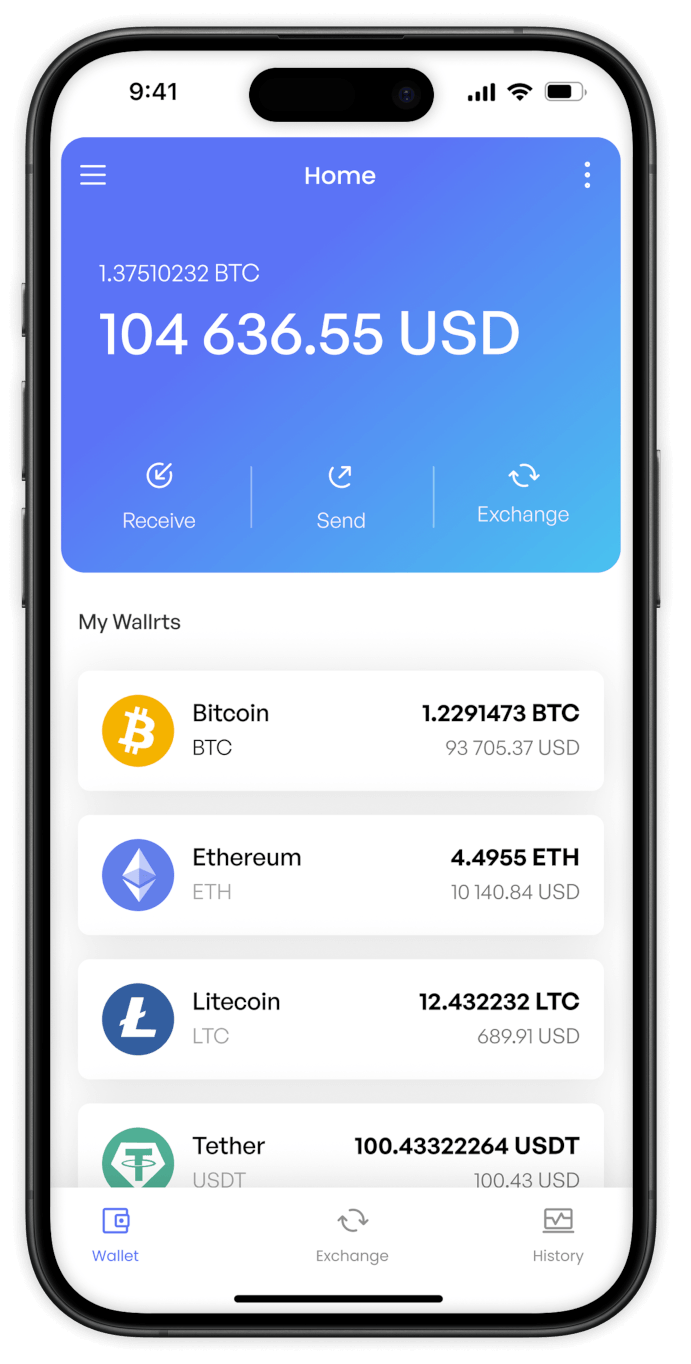
Buy crypto with your credit card from anywhere. Live rates, transparent fees, and 3D Secure on every order - the full Switchere card-buy experience in your pocket.



Scan to download the app iOS and Android