Convert
Peruvian Sol (PEN) to Bone ShibaSwap (BONE) Instantly
Purchase Bone ShibaSwap (BONE) with Peruvian Sol (PEN) easily at Switchere and benefit from fast, secure transactions.
About
Bone ShibaSwap (BONE)
BONE (BONE) serves as a foundational digital asset within the expansive Shiba Inu ecosystem, primarily functioning as the governance token for ShibaSwap, its native decentralized exchange (DEX). This utility token empowers holders with voting rights in the Doggy DAO, allowing community participation in key decisions regarding protocol upgrades and treasury allocations. The tokenomics of BONE are designed to incentivize participation, with rewards distributed for staking and providing liquidity to various pools on ShibaSwap, enhancing the platform's DeFi applications and fostering a robust community-driven environment within this segment of blockchain technology.
Beyond its role in decentralized governance and liquidity provision on the Ethereum-based ShibaSwap, BONE's significance is profoundly amplified by its designation as the exclusive gas token for Shibarium. Shibarium is the Shiba Inu ecosystem's Layer-2 scaling solution, engineered to offer faster transaction speeds, reduced costs, and greater throughput by processing transactions off the main Ethereum chain. As the native token for executing smart contracts and paying for network fees on this Layer-2 network, BONE is integral to Shibarium's operational efficiency and adoption. This positions BONE as a critical component for the future development of Web3 infrastructure within the Shiba Inu ecosystem, driving utility beyond simple governance into the core of its on-chain transaction processing and decentralized network operations.
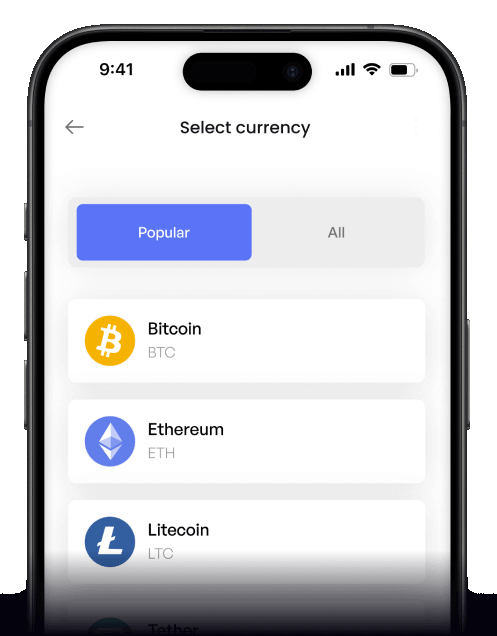
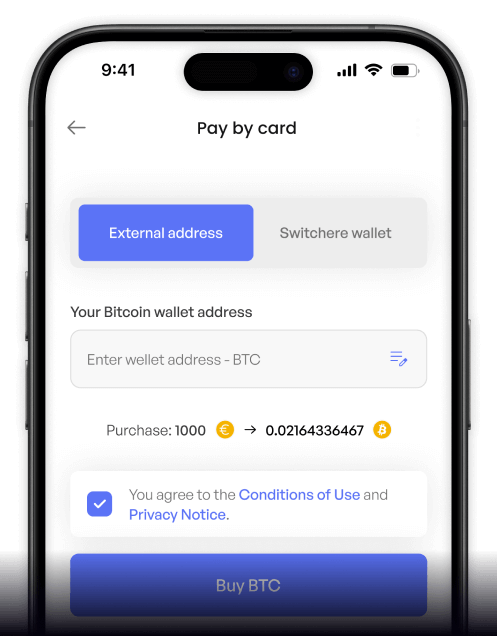
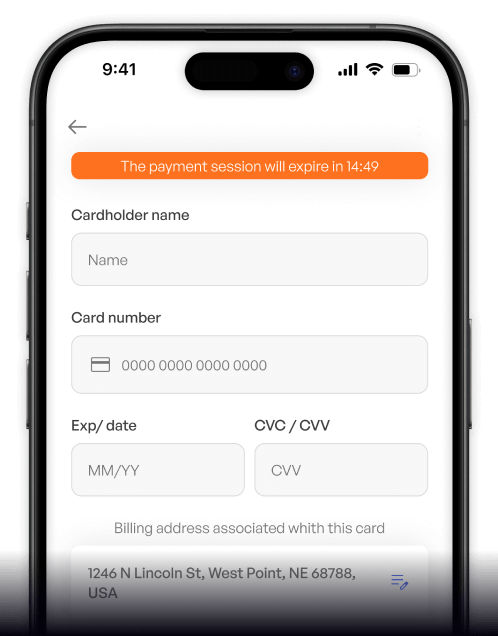
How to Buy Bone ShibaSwap (BONE)
Popular Coins for Peruvian Sol (PEN)
Other Coins for Peruvian Sol (PEN)
Frequently asked questions
-
What is the most common way to buy Bone ShibaSwap (BONE) with Peruvian Sol (PEN)?
Direct PEN to BONE trading pairs are uncommon. The standard method involves using a cryptocurrency exchange that accepts PEN as a fiat on-ramp. Users typically purchase a major stablecoin like USDT or a base cryptocurrency like BTC with PEN via a bank transfer or local payment method, and then trade that asset for BONE on the exchange's order book. -
What is BONE's specific function within the Shiba Inu ecosystem and the Shibarium network?
BONE serves two primary technical roles. First, it is the governance token for the ShibaSwap DEX, allowing holders to vote on proposals through the Doggy DAO. Second, and more critically, it is selected as the gas token for the Shibarium Layer-2 network. This means BONE is required to pay for transaction fees on Shibarium, similar to how ETH is used on the Ethereum mainnet. -
Are KYC/AML procedures required when using Peruvian Sol to acquire a digital asset like BONE?
Yes, virtually all reputable cryptocurrency exchanges that provide fiat on-ramp services for PEN will require mandatory Know Your Customer (KYC) and Anti-Money Laundering (AML) verification. This involves submitting personal identification to comply with financial regulations and enhance platform security. This compliance is standard for secure trading environments. -
What secure methods are recommended for storing BONE tokens after purchase?
For optimal security, it's advised to move your BONE, an ERC-20 token, from the exchange to a personal digital wallet where you control the private keys. A hardware wallet (cold storage) offers the highest level of security against online threats. Alternatively, a well-regarded non-custodial software wallet (hot storage) is a viable option for smaller amounts or frequent access for delegator staking. -
What is the strategic importance of BONE being the gas token for Shibarium?
BONE's role as the gas token for the Shibarium Layer-2 solution creates a fundamental utility for the asset. Every transaction, smart contract execution, or operation on Shibarium requires BONE to be spent. This design directly links the token's demand to the activity and adoption of the entire Shibarium network, making it integral to the ecosystem's scalability and function.