Convert
Peruvian Sol (PEN) to QTUM (QTUM) Instantly
Purchase QTUM (QTUM) with Peruvian Sol (PEN) easily at Switchere and benefit from fast, secure transactions.
About
QTUM (QTUM)
Qtum (QTUM) is an innovative hybrid blockchain platform that uniquely combines the security of Bitcoin's Unspent Transaction Output (UTXO) model with the smart contract capabilities of the Ethereum Virtual Machine (EVM). This fusion is achieved through its groundbreaking Account Abstraction Layer (AAL), which allows for the seamless interaction between these two distinct blockchain architectures. As a decentralized network, Qtum provides a stable, secure, and flexible environment for developers to build decentralized applications (dApps) and for businesses to deploy enterprise-level blockchain solutions. The platform operates on a Proof-of-Stake (PoS) consensus mechanism, enabling energy-efficient block validation and allowing token holders to participate in network security by staking their QTUM.
The native utility token, QTUM, is integral to the ecosystem's functionality. It is used to pay for transaction fees and smart contract execution, similar to gas on Ethereum. Furthermore, the digital asset serves as a governance token through Qtum's Decentralized Governance Protocol (DGP). This on-chain governance system allows stakeholders to vote on key network parameters, such as block size and gas fees, fostering a truly decentralized and adaptable Web3 infrastructure. Its mobile-first design and commitment to interoperability position Qtum as a significant platform for real-world DeFi applications and business use cases.
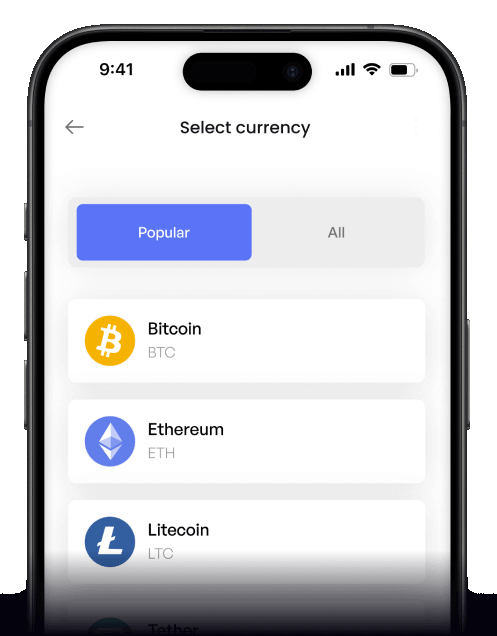
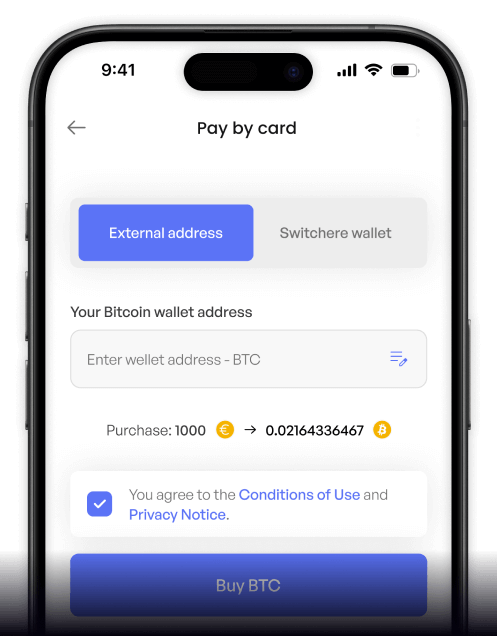
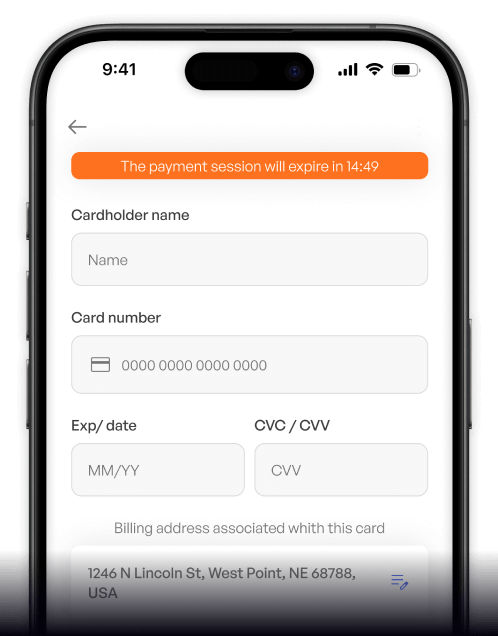
How to Buy QTUM (QTUM)
Popular Coins for Peruvian Sol (PEN)
Other Coins for Peruvian Sol (PEN)
Frequently asked questions
-
What does the PEN/QTUM trading pair represent in the digital asset market?
The PEN/QTUM pair is a fiat-to-crypto gateway, allowing you to purchase the Qtum (QTUM) cryptocurrency using the Peruvian Sol (PEN). This is significant as it provides a direct fiat on-ramp for users in Peru to access the Qtum ecosystem, which uniquely combines Bitcoin's UTXO security model with the Ethereum Virtual Machine (EVM) for smart contract functionality. This enables direct investment into a platform designed for dApps and Proof-of-Stake (PoS) consensus. -
What payment methods are typically available to buy QTUM with PEN on a cryptocurrency exchange?
On cryptocurrency exchanges that support Peruvian Sol, you can typically buy QTUM using direct bank transfers (transferencia bancaria) from Peruvian banks, credit/debit cards, and sometimes local payment services. P2P (peer-to-peer) platforms may also offer more localized options. Regardless of the method, expect to complete a KYC/AML (Know Your Customer/Anti-Money Laundering) verification process to comply with regulatory standards before executing a digital asset purchase. -
What technical aspects of the Qtum blockchain should I know before investing via PEN?
Before buying QTUM, understand its hybrid architecture. Qtum's Account Abstraction Layer (AAL) allows the secure, unspent transaction output (UTXO) model of Bitcoin to work with an EVM-compatible smart contract layer. This means developers can easily port Ethereum dApps. Additionally, Qtum uses a Proof-of-Stake (PoS) consensus, allowing you to participate in staking QTUM to secure the network and earn rewards. Its Decentralized Governance Protocol (DGP) also allows token holders to vote on network parameters. -
What kind of fees can I expect when processing a PEN to QTUM transaction?
There are typically three types of fees. First, the fiat on-ramp may charge a deposit fee for your PEN, which varies by method (e.g., bank transfers are often cheaper than cards). Second, the cryptocurrency exchange will have a trading fee (maker/taker fee) for executing the buy order on the order book. Finally, when you move your QTUM from the exchange to a personal digital wallet, you will pay a Qtum network transaction fee (gas) to validate the blockchain transaction. -
How can I securely store my QTUM tokens after a successful PEN purchase?
For maximum security, transfer your QTUM from the exchange to a non-custodial digital wallet where you control the private keys. Options include hardware wallets (cold storage) for the highest level of security, or official software wallets (hot storage) provided by the Qtum project. Using a non-custodial wallet is crucial for secure trading practices, as it protects your assets from exchange-specific risks and grants you full control for activities like staking QTUM or interacting with dApps.