


 Web
Web








Your Secure Gateway to the Tezos Ecosystem
 Oliver Grant
|
Oliver Grant
|
Sep 07, 2026

Purchase Tezos (XTZ) with Morocco Dirham (MAD) easily at Switchere and benefit from fast, secure transactions.
Tezos (XTZ) is a sophisticated, open-source blockchain platform designed for assets and applications, emphasizing security, on-chain governance, and formal verification. Its primary purpose is to offer a decentralized network that can evolve and upgrade itself seamlessly over time through a formalized, on-chain amendment process, mitigating the risks of hard forks common in other blockchain technology. This self-amending cryptographic ledger allows stakeholders to vote on protocol upgrades, fostering a truly decentralized and community-driven evolution of the digital asset.
The core technology of Tezos features a unique Liquid Proof-of-Stake (LPoS) consensus mechanism, enabling XTZ holders to participate in network validation, known as "baking," or delegate their staking rights without transferring ownership of their tokens. Tezos smart contracts are written in Michelson, a functional language designed to facilitate formal verification, a process that mathematically proves the correctness of code, enhancing smart contract security for DeFi applications and Web3 infrastructure. This focus on institutional-grade security and robust tokenomics makes Tezos a compelling platform.
The native XTZ token serves multiple crucial functions within its ecosystem. It is used for paying transaction fees, executing smart contracts, participating in on-chain governance by voting on protocol amendments, and for staking to secure the network and earn baking rewards. Tezos has established itself as a significant player in the realms of non-fungible tokens (NFTs), decentralized finance (DeFi), and decentralized autonomous organizations (DAOs), offering a resilient and adaptable foundation for a diverse range of peer-to-peer applications and digital asset management.
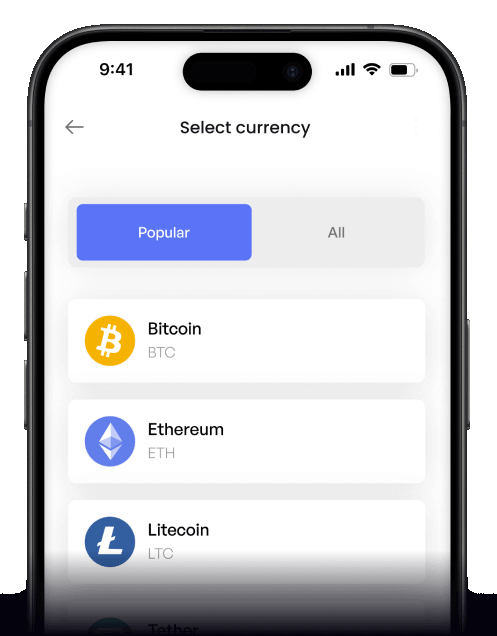
 Step-by-step guidance
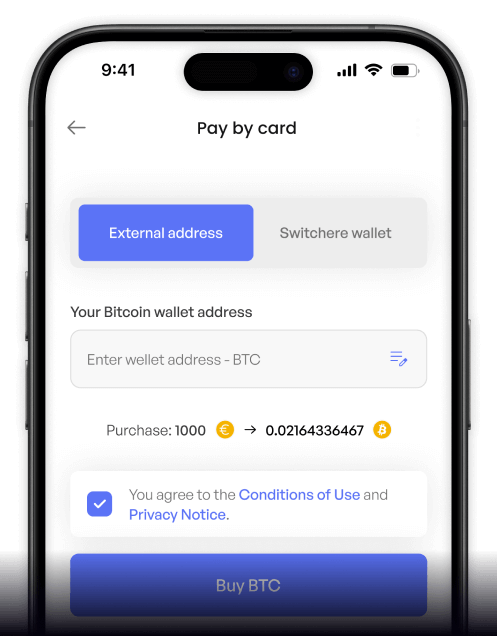
 Easy credit card payments
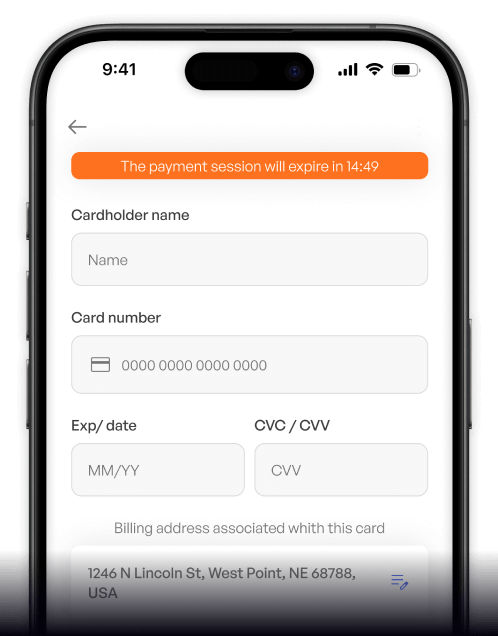
 Streamlined purchase process
Oliver Grant
|
Streamlined purchase process
Oliver Grant
|
 Alexey Morozov
|
Alexey Morozov
|
Buy crypto with your credit card from anywhere. Live rates, transparent fees, and 3D Secure on every order - the full Switchere card-buy experience in your pocket.



Scan to download the app iOS and Android

Our website uses cookies. Our Cookie Policy
