Convert
BDT to NEXO Instantly
Bangladeshi Taka to Nexo (ERC20) at the real-time exchange rate


Purchase NEXO (ERC20) with Bangladeshi Taka (BDT) easily at Switchere and benefit from fast, secure transactions.
About
NEXO (ERC20)
Tracking the NEXO to BDT rate is essential for users in Bangladesh looking to access decentralized lending and borrowing platforms. A reliable BDT to NEXO converter reflects real-time market liquidity, the inherent volatility of the cryptocurrency market, and the current standing of the Bangladeshi Taka. When planning to buy NEXO with BDT, local investors typically utilize fiat on-ramp services that support mobile financial services like bKash and Nagad, alongside standard bank transfers. Due to stringent regional financial regulations, completing standard KYC and AML verification is a mandatory step before initiating any exchange.
After locking in an accurate exchange rate, users must prepare a compatible wallet to receive their digital assets. Nexo operates primarily as an ERC-20 token on the Ethereum network, though it is also accessible via Polygon for reduced transaction costs. Converting Bangladeshi Taka into NEXO requires factoring in these blockchain network fees, which can fluctuate based on current congestion. Confirmation times will vary depending on the chosen network and your payment method's processing speed. By understanding these dynamics, local users can efficiently navigate the conversion process and seamlessly integrate into the broader cryptocurrency lending ecosystem.

How to Buy NEXO (ERC20)
 Step-by-step guidance
 Easy credit card payments
 Streamlined purchase process
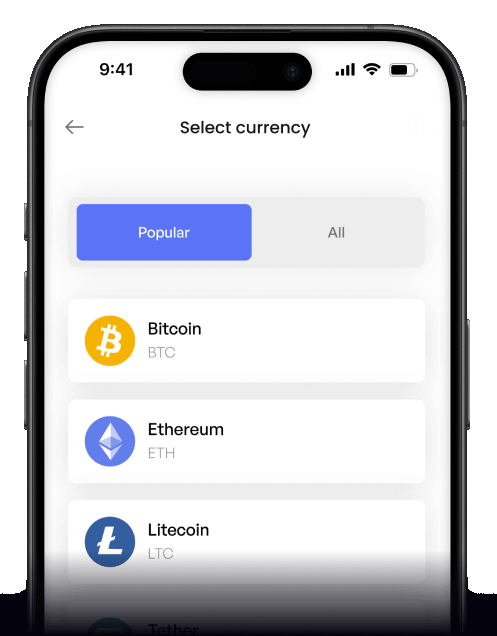
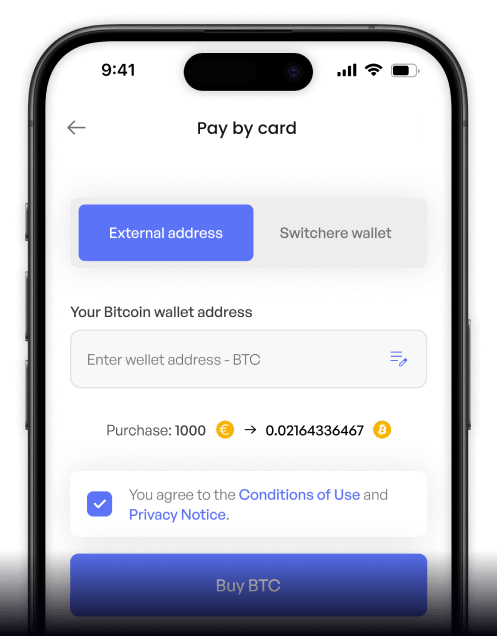
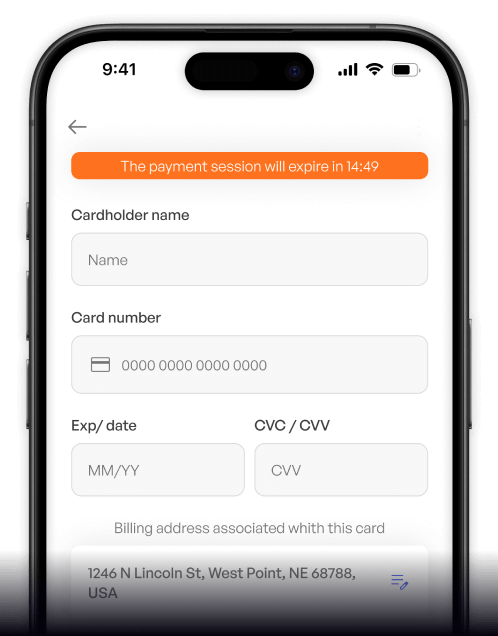
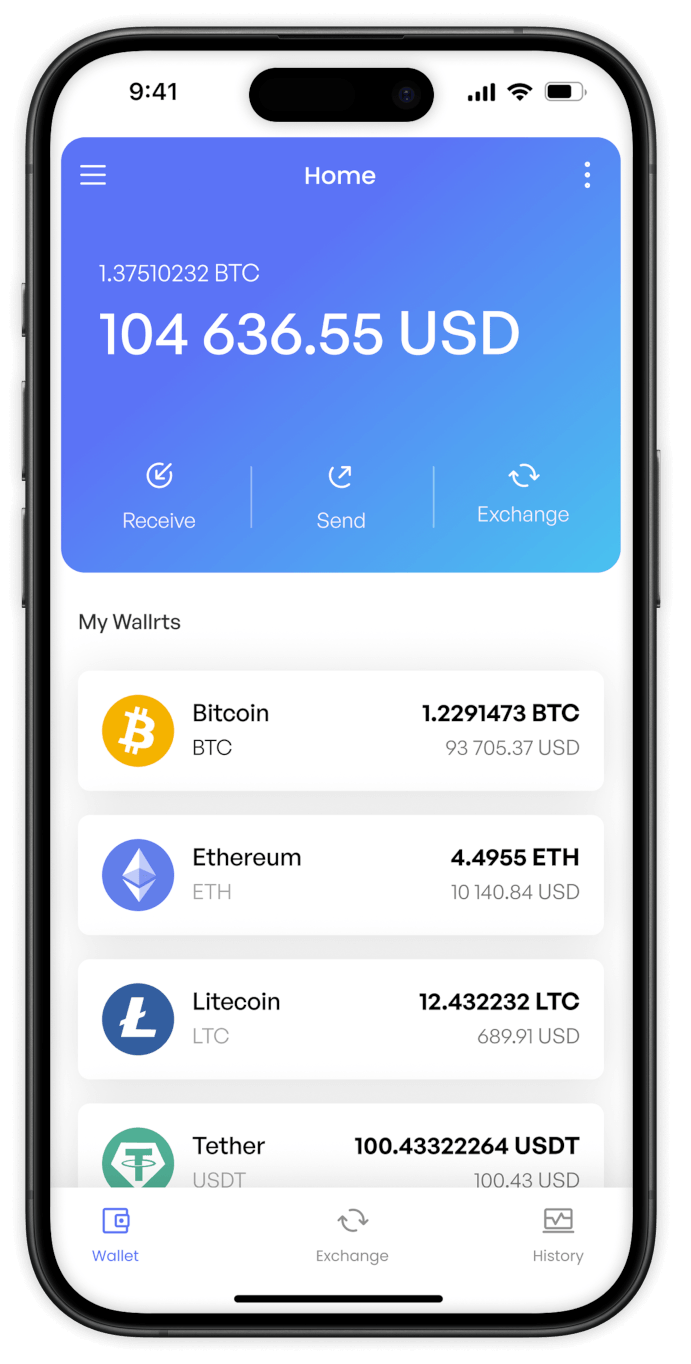
 Web
Popular Coins for Bangladeshi Taka (BDT)


Other Coins for Bangladeshi Taka (BDT)


Frequently asked questions
-
What is the BDT/NEXO trading pair and what does it represent?
The BDT/NEXO pair represents the exchange rate between the Bangladeshi Taka (BDT) and the NEXO token. It signifies the process of using BDT as a fiat currency to purchase NEXO, the native digital asset of the Nexo platform. This transaction allows users to convert their local currency into a utility token used for benefits like loan interest discounts and higher earnings within the Nexo CeFi ecosystem. -
What are the most common ways to execute a BDT to NEXO digital asset purchase?
Direct BDT/NEXO trading pairs on centralized exchanges are uncommon. The typical method involves a multi-step process, often starting on a peer-to-peer (P2P) platform. Users first buy a more liquid cryptocurrency like USDT or BUSD with BDT using local payment methods such as bKash, Nagad, or bank transfers. Then, they transfer that asset to an exchange that lists NEXO to complete the final trade. -
What key benefits do I unlock on the Nexo platform by holding NEXO tokens acquired with BDT?
Holding NEXO tokens in your Nexo wallet unlocks tiered benefits in their Loyalty Program. The primary utilities include receiving higher interest rates on your digital assets through the 'Earn Interest' product, getting significant discounts on the interest for Instant Crypto Credit Lines, and earning dividends. The more NEXO you hold relative to your portfolio, the better the benefits, creating a strong incentive for this CeFi token. -
Are there specific KYC/AML compliance steps when using BDT for a NEXO transaction?
Yes, KYC/AML (Know Your Customer/Anti-Money Laundering) compliance is standard. When using a P2P platform as a fiat on-ramp for your BDT, you will need to verify your identity. Subsequently, the cryptocurrency exchange where you trade for NEXO will also require its own identity verification. This is a crucial security measure for all legitimate digital asset trading. -
What should I consider regarding transaction fees when converting BDT to NEXO?
The fee structure is multi-layered. First, the P2P platform used for the initial BDT to crypto conversion might have a small fee, or the cost is embedded in the seller's exchange rate. Second, there will be a network fee for transferring the intermediate asset (e.g., USDT) to another exchange. Finally, a trading fee will be applied by the exchange for the final conversion to NEXO. Always account for these separate costs in your transaction planning.

Buy on the go
Anywhere. Anytime.
Buy crypto with your credit card from anywhere. Live rates, transparent fees, and 3D Secure on every order - the full Switchere card-buy experience in your pocket.



Scan to download the app iOS and Android