


Convert
Philippine Peso (PHP) to UMA (UMA) Instantly


Purchase UMA (UMA) with Philippine Peso (PHP) easily at Switchere and benefit from fast, secure transactions.
About
UMA (UMA)
UMA, an acronym for Universal Market Access, is a decentralized finance (DeFi) protocol built on the Ethereum blockchain. Its primary objective is to enable the creation of priceless financial contracts and synthetic assets. This innovative approach allows developers to build and deploy custom financial derivatives without relying on a continuous, on-chain price feed, which can be costly and a central point of failure. UMA operates as an optimistic oracle, a system that assumes data is correct unless a dispute is raised. This design provides a flexible and powerful framework for building a wide array of DeFi applications, from tokenized futures to cross-chain bridges, secured by economic incentives rather than constant data streaming.
The core of UMA's architecture is its Data Verification Mechanism (DVM), a human-powered dispute resolution layer. When a data dispute occurs, UMA token holders are called upon to vote and report on the correct price or data point, acting as a "truth machine" for the protocol. The native UMA token is therefore a crucial utility and governance token. Its holders are responsible for securing the digital asset network by participating in DVM votes and governing system upgrades. This unique tokenomics model makes UMA a key piece of Web3 infrastructure for creating secure, on-chain financial instruments that can track any real-world value.

How to Buy UMA (UMA)
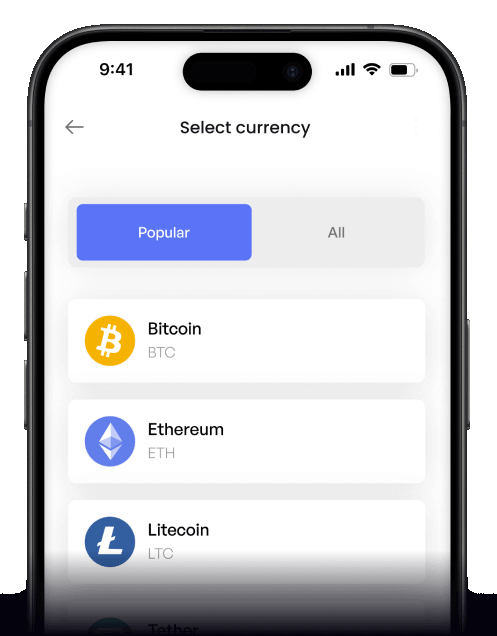
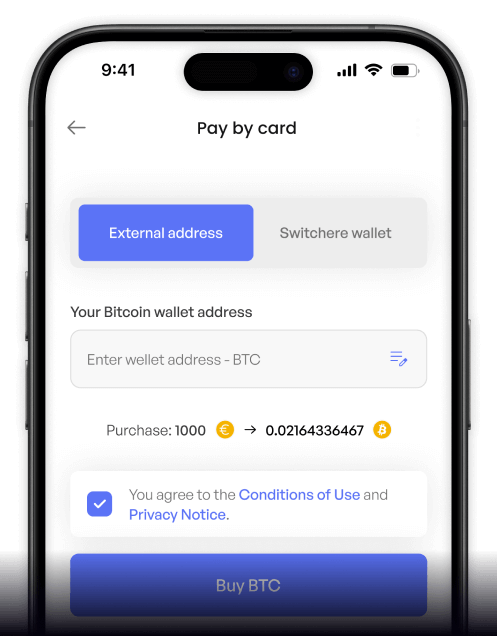
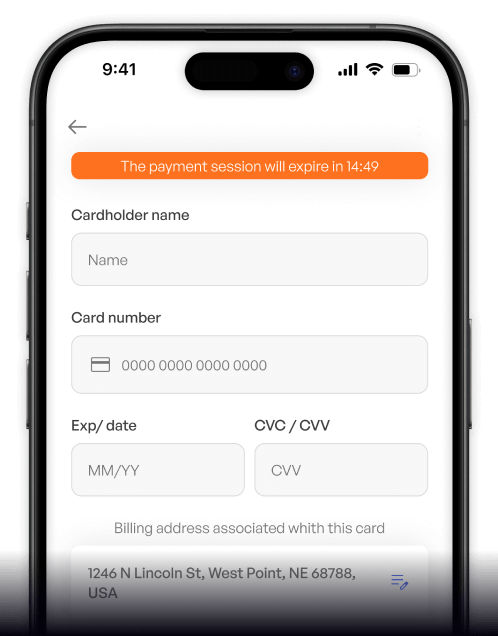
 Step-by-step guidance
 Easy credit card payments
 Streamlined purchase process
 Web
Web
Popular Coins for Philippine Peso (PHP)





Other Coins for Philippine Peso (PHP)









Frequently asked questions
-
What is the PHP/UMA pair and what does it represent on a cryptocurrency exchange?
The PHP/UMA pair is a trading pair that allows you to buy UMA tokens using Philippine Pesos (PHP) or sell UMA for PHP. It acts as a direct fiat on-ramp for users in the Philippines to access UMA's ecosystem, which is built around an Optimistic Oracle. This oracle system enables the creation of priceless financial contracts and synthetic assets on the blockchain without relying on constant on-chain price feeds. Trading this pair involves placing orders on an exchange's order book. -
What are the typical payment methods for purchasing UMA with Philippine Pesos (PHP)?
To buy the UMA digital asset with PHP, most regulated exchanges in the Philippines support local payment methods. Common options include direct bank transfers via InstaPay or PESONet, and popular e-wallets like GCash and PayMaya. These platforms serve as fiat gateways, but you will need to complete KYC/AML (Know Your Customer/Anti-Money Laundering) compliance checks before you can link your payment method and start trading. -
How does UMA's Data Verification Mechanism (DVM) add value for those trading the PHP/UMA pair?
Understanding UMA's Data Verification Mechanism (DVM) is key to valuing the asset you acquire with PHP. The DVM is UMA's human-powered dispute resolution layer. When a price from the Optimistic Oracle is disputed, UMA token holders vote to determine the correct outcome. This governance utility is the core function of the UMA token. Therefore, by buying UMA, traders aren't just speculating; they are acquiring a stake in a decentralized oracle system that secures a growing number of DeFi protocols. -
What are the potential fees when executing a PHP to UMA trade and withdrawal?
When trading PHP for UMA, you'll encounter several potential fees. First, the cryptocurrency exchange will charge a trading fee, often structured as a maker/taker fee. Second, there may be fees for depositing PHP via methods like GCash or InstaPay. Finally, if you move your UMA from the exchange to a personal digital wallet for secure storage, you will pay a blockchain transaction fee (gas fee), which is determined by network congestion on the Ethereum blockchain where the UMA token operates. -
Why is UMA described as enabling 'priceless' financial contracts, and how does that affect its utility?
UMA enables 'priceless' financial contracts because its oracle system doesn't continuously write prices to the blockchain, which saves significant gas fees. Instead, prices are only requested if a liquidation or dispute occurs. This efficient design allows for the creation of a vast range of synthetic assets and complex derivatives. For a PHP/UMA trader, this utility signifies that UMA's value is tied to its architectural efficiency and its adoption by protocols needing a flexible and cost-effective oracle for DAO governance and financial products.

Buy on the go
Anywhere. Anytime.
Buy crypto with your credit card from anywhere. Live rates, transparent fees, and 3D Secure on every order - the full Switchere card-buy experience in your pocket.



Scan to download the app iOS and Android

