


Convert
Philippine Peso (PHP) to TUSD (BEP20) Instantly


Purchase TUSD (BEP20) with Philippine Peso (PHP) easily at Switchere and benefit from fast, secure transactions.
About
TUSD (BEP20)
TrueUSD (TUSD) is a regulated, fiat-collateralized stablecoin engineered to maintain a 1:1 peg with the United States Dollar. As a BEP20 token, this digital asset operates natively on the BNB Smart Chain, offering users a stable medium of exchange within its expansive DeFi ecosystem. The primary goal of TrueUSD is to provide a transparent and reliable bridge between traditional fiat currencies and blockchain technology. Its core value proposition is built upon a robust framework of trust and verification. Unlike some alternatives, TUSD employs independent third-party accounting firms to conduct real-time, on-chain attestations of its USD reserves, providing users with cryptographic proof of the backing for every token in circulation on the digital ledger. This commitment to provable reserves is a key differentiator in the stablecoin market.
The main utility of the TUSD BEP20 token is to function as a stable store of value and an efficient unit of account for decentralized finance. It allows traders and DeFi users to hedge against market volatility without exiting the crypto ecosystem. TUSD is integral to various DeFi applications on BNB Chain, including yield farming, liquidity pools, lending protocols, and as collateral for decentralized borrowing. Leveraging the BEP20 standard ensures low transaction fees and fast settlement, enhancing its utility for peer-to-peer payments and interacting with Web3 protocols, solidifying its role as a foundational asset for on-chain commerce.

How to Buy TUSD (BEP20)
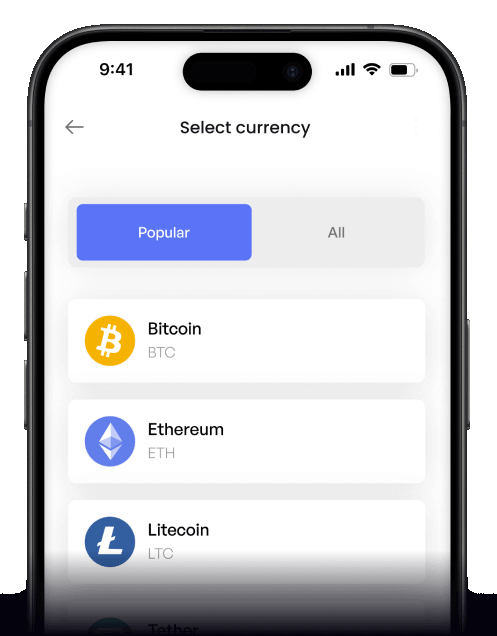
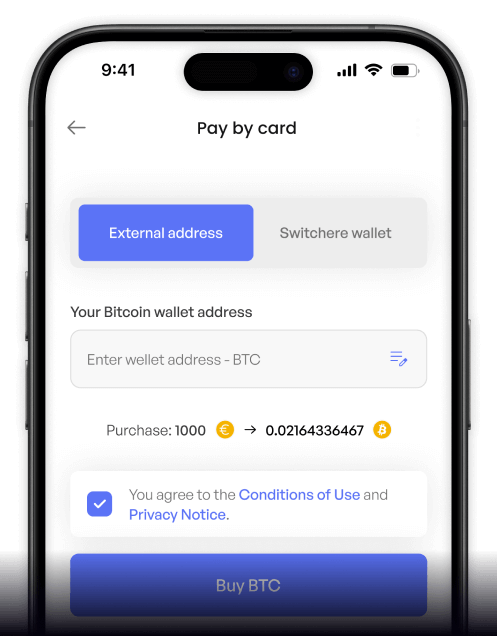
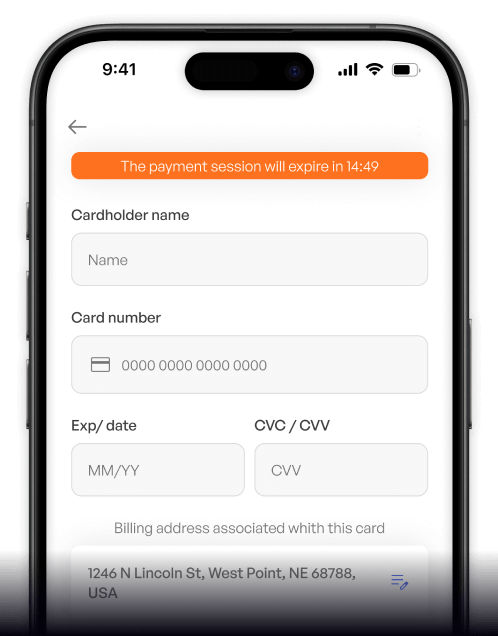
 Step-by-step guidance
 Easy credit card payments
 Streamlined purchase process
 Web
Web
Popular Coins for Philippine Peso (PHP)





Other Coins for Philippine Peso (PHP)









Frequently asked questions
-
What is the primary way to buy TUSD (BEP20) with Philippine Pesos (PHP)?
The most common method is through peer-to-peer (P2P) markets on major cryptocurrency exchanges. These platforms act as a fiat on-ramp, allowing users to directly transact with vendors who accept local Philippine payment methods like GCash, PayMaya, or bank transfers. The exchange's escrow service secures the digital asset until the PHP payment is confirmed, ensuring a secure transaction for both parties. -
What are the advantages of using the TUSD BEP20 version for transactions?
The primary advantages of using TUSD on the BEP20 network (BNB Smart Chain) are significantly lower transaction fees and faster confirmation times compared to its ERC20 counterpart on Ethereum. Gas fees on the BNB Smart Chain are paid in BNB and are typically a fraction of the cost, making it highly efficient for frequent transfers or for interacting with various DeFi on BSC protocols that use TUSD as a stable store of value. -
Why convert PHP to a dollar-pegged stablecoin like TUSD instead of directly to other cryptocurrencies?
Converting PHP to a fiat-collateralized stablecoin like TUSD provides price stability amidst the volatility of the crypto market. It serves as a reliable store of value and an effective intermediate asset. Traders can park their funds in TUSD to hedge against market fluctuations or PHP currency devaluation before deciding to invest in more volatile digital assets. It also grants access to global DeFi markets that predominantly use USD-pegged assets. -
What security measures should I take when receiving TUSD (BEP20) into my digital wallet?
Always double-check that you are providing a BEP20 (BNB Smart Chain) deposit address, not an address from another network like ERC20. BEP20 addresses start with '0x' but are unique to the BSC network. Sending tokens to the wrong blockchain network can result in a permanent loss of funds. Also, ensure your Web3 wallet's private keys or seed phrase are stored securely offline and never shared. -
Are there specific regulatory or KYC requirements for PHP to TUSD transactions?
Yes, any platform that functions as a fiat gateway to convert PHP into a digital asset is typically required to comply with KYC/AML (Know Your Customer/Anti-Money Laundering) regulations. This means users will likely need to complete an identity verification process, often involving a government-issued ID and a selfie, to comply with regulations set by entities like the Bangko Sentral ng Pilipinas (BSP).

Buy on the go
Anywhere. Anytime.
Buy crypto with your credit card from anywhere. Live rates, transparent fees, and 3D Secure on every order - the full Switchere card-buy experience in your pocket.



Scan to download the app iOS and Android

