


- Casa
- Convertitore
- Philippine Peso (PHP) per Reserve Rights (RSR)

Convertire
Philippine Peso (PHP) in Reserve Rights (RSR) istantaneamente


Acquistate facilmente Reserve Rights (RSR) con Philippine Peso (PHP) su Switchere e beneficiate di transazioni rapide e sicure.
Circa
Reserve Rights (RSR)
Reserve Rights (RSR) è il token di utilità e governance volatile del Protocollo Reserve, una rete decentralizzata progettata per combattere gli effetti della svalutazione monetaria e dell'iperinflazione. La missione principale del protocollo è fornire accesso a una valuta digitale stabile e garantita da asset come alternativa affidabile alle valute fiat volatili. Ciò si ottiene attraverso un sofisticato modello a doppio token, in cui il Protocollo Reserve consente la creazione di varie stablecoin, note come RToken, ciascuna garantita da un paniere distinto di asset tokenizzati detenuti e gestiti da smart contract sulla blockchain.
Il nucleo di questa infrastruttura Web3 si basa su un sistema di sovra-collateralizzazione per garantire la stabilità. Gli RToken sono progettati per mantenere il loro peg attraverso un processo di arbitraggio, in cui i partecipanti al mercato possono riscattare gli RToken per il collaterale sottostante o coniarli depositando gli asset richiesti. Il token RSR svolge un ruolo cruciale nella sicurezza crittografica di questo sistema. La sua funzione principale è quella di assicurare gli RToken contro il default del collaterale. Questo meccanismo unico di ricapitalizzazione fornisce una solida rete di sicurezza per le stablecoin costruite sul protocollo, migliorando l'integrità del registro digitale.
Come token di utilità, RSR ha due funzioni principali. In primo luogo, i detentori di RSR possono mettere in staking i loro token su specifici RToken per guadagnare una parte delle entrate generate dal collaterale di quella stablecoin. In secondo luogo, e cosa più critica, in caso di fallimento di un asset collaterale, l'RSR in staking viene sequestrato e venduto per ripristinare il peg dell'RToken, risarcendo i suoi detentori. Questo modello di staking e assicurazione, combinato con l'uso di RSR nella governance on-chain per gli aggiornamenti del protocollo, lo rende un componente essenziale per la salute a lungo termine e la decentralizzazione dell'ecosistema DeFi di Reserve.

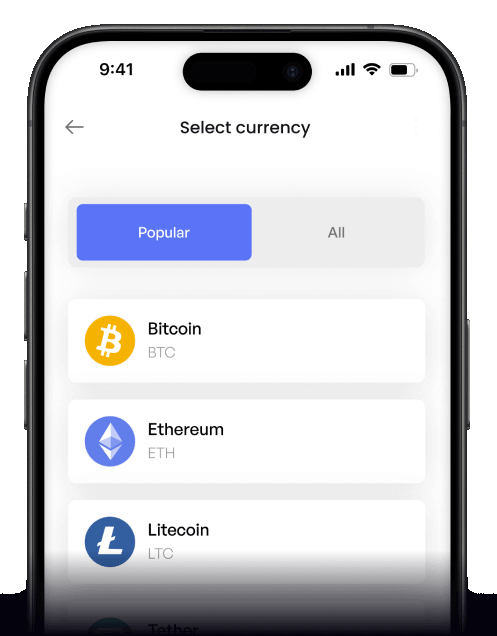
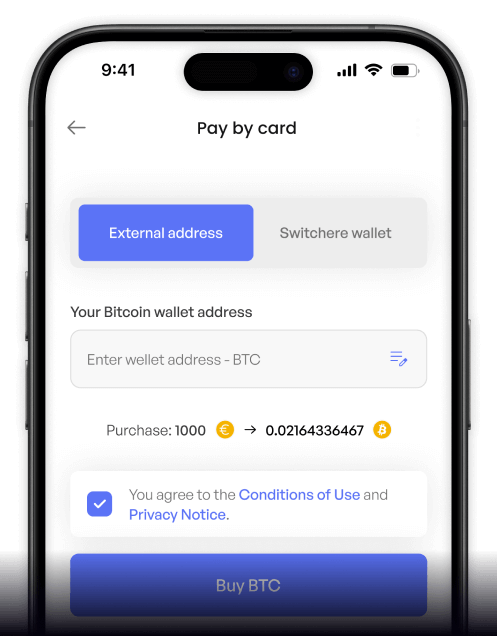
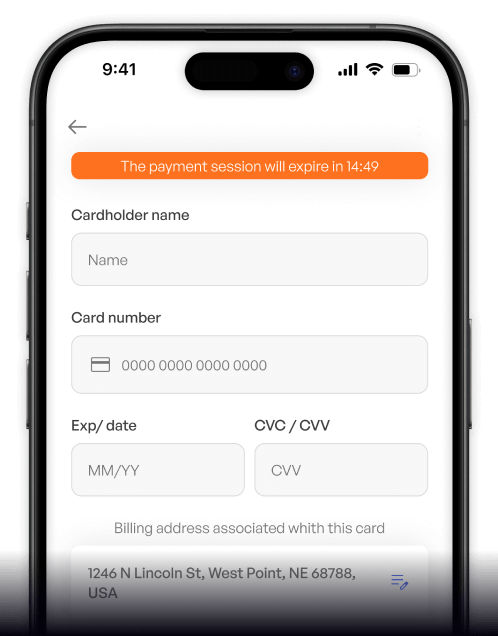
Come acquistare gli Reserve Rights (RSR)
 Guida passo passo
 Pagamenti facili con carta di credito
 Processo di acquisto semplificato
 Web
Web
Monete popolari per Philippine Peso (PHP)





Altre monete per Philippine Peso (PHP)










Domande frequenti
-
Quali sono i metodi più comuni per acquistare Reserve Rights (RSR) con il peso filippino (PHP)?
Per acquistare l'asset digitale RSR con PHP, è possibile utilizzare un exchange di criptovalute regolamentato che serve le Filippine. Queste piattaforme funzionano tipicamente come un fiat on-ramp, consentendo di depositare PHP tramite metodi di pagamento locali come GCash, PayMaya o bonifici bancari diretti (PESONet, InstaPay). Dopo aver completato i necessari controlli di conformità KYC/AML, è possibile inserire un ordine per RSR nel libro degli ordini della coppia di trading PHP/RSR. -
Qual è la funzione di RSR all'interno del modello a doppio token del Reserve Protocol?
RSR è il token di utilità volatile ERC-20 che fornisce stabilità alle stablecoin del Reserve Protocol, note come RToken. In questo modello a doppio token, RSR funge da sovracollateralizzazione. I detentori di RSR possono mettere in staking i loro token per assicurare gli RToken. Se il collaterale a garanzia di un RToken si deprezza, il protocollo vende RSR per ripristinare il peg. Questo meccanismo fornisce un livello di sicurezza ed è centrale per l'obiettivo del protocollo di creare una valuta decentralizzata e resistente all'inflazione. -
Perché un gateway fiat diretto da PHP a RSR è importante per gli utenti nelle Filippine?
Un gateway fiat diretto PHP/RSR semplifica il percorso dell'utente nell'ecosistema del Reserve Protocol. Elimina la necessità di scambi multipli (ad esempio, da PHP a BTC/ETH, poi a RSR), riducendo le commissioni di transazione e lo slippage. Per gli utenti in una regione soggetta a svalutazione monetaria, questo accesso diretto fornisce un percorso più efficiente per acquisire un asset progettato per la protezione dall'iperinflazione e per partecipare ai meccanismi di governance e staking di un protocollo decentralizzato. -
Quali sono i costi di transazione tipici durante l'elaborazione di un acquisto da PHP a RSR?
Quando si acquista RSR con PHP, è necessario considerare diverse potenziali commissioni. In primo luogo, l'exchange di criptovalute addebiterà una commissione di trading, spesso una piccola percentuale del valore della transazione. In secondo luogo, potrebbe esserci una commissione di deposito per i tuoi PHP, sebbene molte piattaforme offrano depositi gratuiti tramite bonifici bancari locali. Infine, quando preleverai i tuoi RSR su un portafoglio digitale privato, incorrerai in una commissione di transazione blockchain. Poiché RSR è un token ERC-20, questa sarà una gas fee della rete Ethereum, che può variare in base alla congestione della rete. -
Come posso conservare in modo sicuro i miei token Reserve Rights (RSR) dopo un acquisto in PHP?
Per una sicurezza ottimale, si consiglia di spostare i tuoi RSR dall'exchange a un portafoglio digitale personale di cui controlli le chiavi private. Poiché RSR è un token ERC-20, è compatibile con qualsiasi portafoglio che supporti Ethereum. Per la detenzione a lungo termine, un portafoglio hardware (ad es. Ledger o Trezor) fornisce il massimo livello di sicurezza. Per un uso attivo, come lo staking, un portafoglio software non-custodial come MetaMask o Trust Wallet è un'opzione popolare e sicura.

Acquista ovunque ti trovi
Ovunque. In qualsiasi momento.
Acquista criptovalute con la tua carta di credito ovunque ti trovi. Tassi in tempo reale, commissioni trasparenti e 3D Secure su ogni ordine: tutta l'esperienza di acquisto con carta di Switchere a portata di mano.



Scansiona il codice per scaricare l'app per iOS e Android

