


Convert
Philippine Peso (PHP) to APENFT (NFT) Instantly


Purchase APENFT (NFT) with Philippine Peso (PHP) easily at Switchere and benefit from fast, secure transactions.
About
APENFT (NFT)
APENFT (NFT) is a specialized project focused on registering world-class artworks as non-fungible tokens (NFTs) on the blockchain, effectively bridging the gap between traditional fine art and the emerging digital asset space. The core mission of the APENFT Foundation is to foster the creator economy, incubate artists, and democratize access to high-value art through tokenization. Built primarily on the TRON blockchain and utilizing the TRC-721 token standard, the platform leverages the BitTorrent File System (BTFS) for decentralized, on-chain storage of the underlying art metadata and files, ensuring permanence and cryptographic security. The project also emphasizes cross-chain interoperability, connecting with networks like Ethereum and BNB Smart Chain to broaden its reach within the Web3 ecosystem.
The native utility token, NFT, is integral to the platform's decentralized governance model. As a governance token, it grants holders the right to vote on key decisions, such as art acquisitions, collection management, and future platform developments. This tokenomics structure aims to transform the platform into a fully decentralized autonomous organization (DAO) governed by its community. Beyond governance, the NFT token is used for staking rewards and serves as the primary digital asset within its expanding ecosystem, which includes collaborations with artists, galleries, and developing a comprehensive NFT marketplace. APENFT positions itself as a foundational player in the tokenization of art, aiming to build a robust infrastructure for digital art and collectibles in the metaverse.

How to Buy APENFT (NFT)
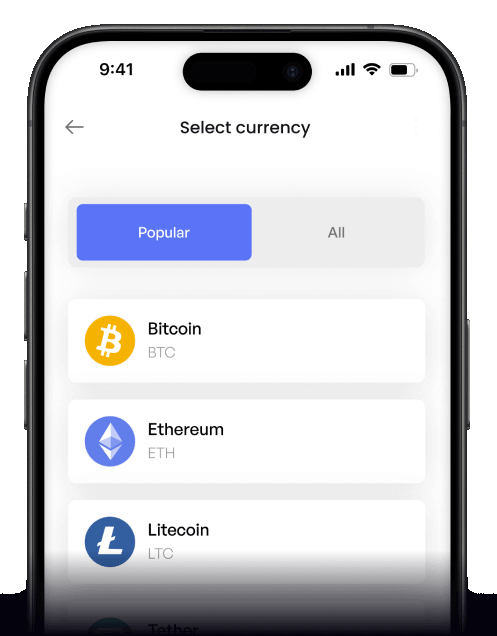
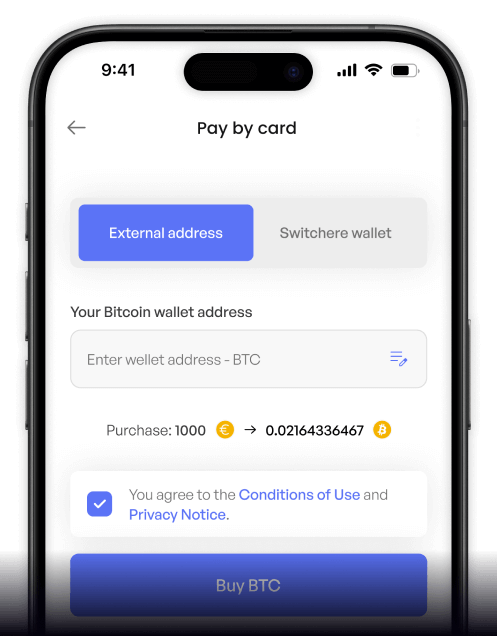
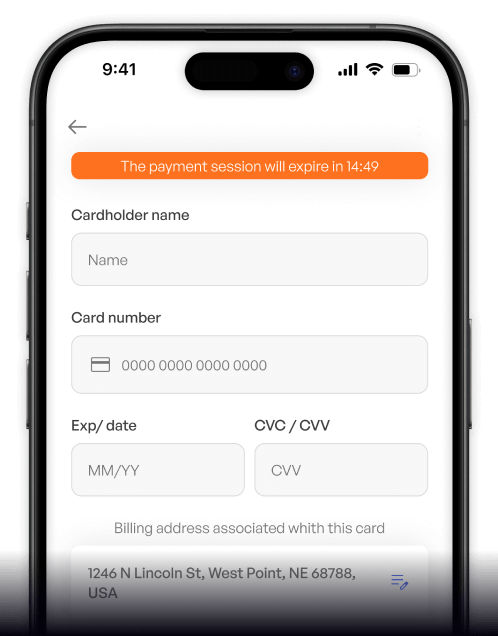
 Step-by-step guidance
 Easy credit card payments
 Streamlined purchase process
 Web
Web
Popular Coins for Philippine Peso (PHP)





Other Coins for Philippine Peso (PHP)









Frequently asked questions
-
What are the common methods to buy APENFT (NFT) with Philippine Peso (PHP)?
To purchase the APENFT digital asset with PHP, you can use a fiat on-ramp on a cryptocurrency exchange that lists the NFT token and supports PHP deposits. Common payment methods in the Philippines include local bank transfers, GCash, or PayMaya. Alternatively, P2P (peer-to-peer) trading platforms allow direct transactions with sellers who accept PHP for their APENFT holdings. -
What is APENFT's function within the TRON ecosystem and its connection to digital art?
APENFT is a project focused on registering world-class artworks as NFTs on the blockchain, specifically within the TRON ecosystem and BitTorrent Chain (BTTC). Its native governance token, NFT, is a TRC-721 standard token that allows holders to participate in governance, vote on the management of art pieces, and engage with its decentralized NFT marketplace. The goal is to make art ownership more accessible through tokenization. -
Are there specific security measures to consider when storing APENFT (NFT) tokens?
Yes. Since APENFT's token (NFT) is a TRC-721 token on the TRON network, you must use a digital wallet that supports this standard. Secure options include hardware wallets for cold storage or reputable software wallets like TronLink. The most critical security practice is to safeguard your private keys or seed phrase. Never share them and store them offline in a secure location to maintain self-custody of your digital assets. -
What kind of fees can I expect when trading PHP for APENFT (NFT)?
Trading PHP for APENFT typically involves several potential fees. First, depositing PHP via a fiat gateway like a local bank transfer may incur a small fee from the payment processor or exchange. Second, the cryptocurrency exchange will charge a trading fee for executing the order, usually a small percentage of the transaction value. Finally, when you withdraw your NFT tokens to a private digital wallet, you will pay a network transaction fee, which is typically low on the TRON blockchain. -
Is KYC/AML compliance required to use Philippine Pesos for an APENFT purchase?
Yes, on most centralized cryptocurrency exchanges that provide a PHP fiat on-ramp, you will need to complete a Know Your Customer (KYC) and Anti-Money Laundering (AML) verification process. This is a standard security procedure mandated by financial regulators, including the Bangko Sentral ng Pilipinas (BSP), to ensure secure trading and prevent illicit activities. P2P platforms may have varying levels of verification.

Buy on the go
Anywhere. Anytime.
Buy crypto with your credit card from anywhere. Live rates, transparent fees, and 3D Secure on every order - the full Switchere card-buy experience in your pocket.



Scan to download the app iOS and Android

