


Convert
Philippine Peso (PHP) to Ren (REN) Instantly


Purchase Ren (REN) with Philippine Peso (PHP) easily at Switchere and benefit from fast, secure transactions.
About
Ren (REN)
Ren (REN) is a decentralized interoperability protocol designed to facilitate the permissionless transfer of digital assets between different blockchain networks. Its primary purpose is to unlock cross-chain liquidity for decentralized finance (DeFi) applications. The core of the project is the RenVM, a decentralized virtual machine powered by a network of nodes called Darknodes. By leveraging secure multi-party computation (sMPC), the RenVM can custody assets on one chain and mint a 1:1 backed ERC-20 representation on another, such as Ethereum, without exposing the underlying private keys. This process enables assets like Bitcoin (BTC) to be used within the Ethereum DeFi ecosystem as renBTC.
The protocol's native utility token, REN, is essential for the operation and security of the network. To run a Darknode, operators must stake a bond of 100,000 REN tokens as collateral. This cryptographic security measure incentivizes honest behavior, as malicious actions would result in the forfeiture of the staked digital asset. Darknode operators earn rewards from the fees generated by asset transfers through the RenVM. As a foundational piece of Web3 infrastructure, Ren functions as a trustless bridge, enhancing the composability and capital efficiency of the entire on-chain ecosystem by breaking down the silos between disparate blockchains.

How to Buy Ren (REN)
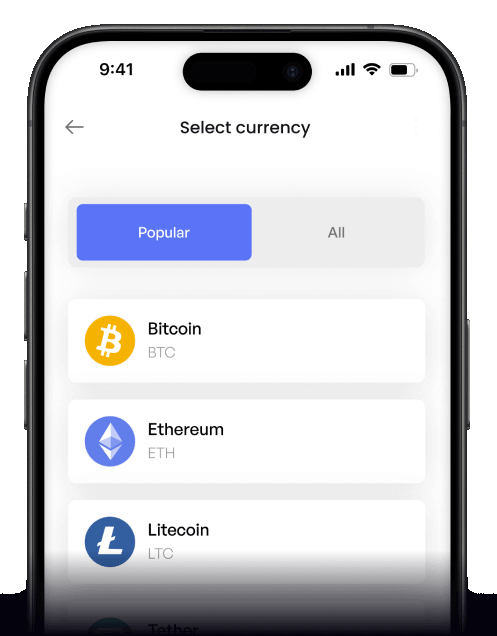
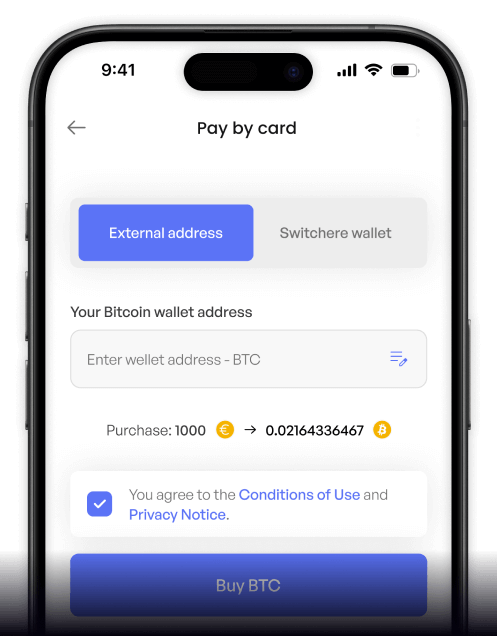
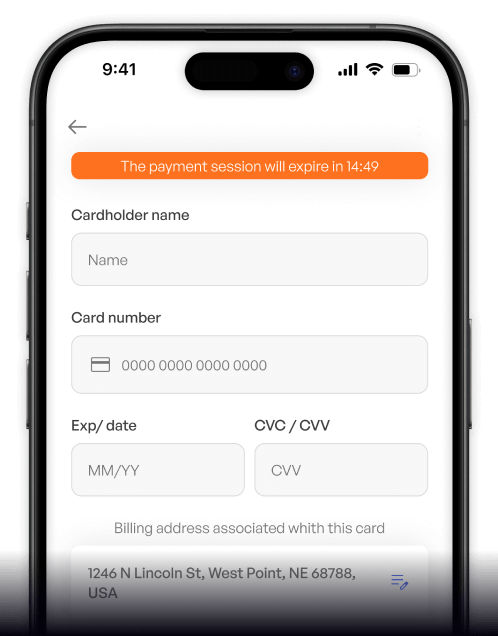
 Step-by-step guidance
 Easy credit card payments
 Streamlined purchase process
 Web
Web
Popular Coins for Philippine Peso (PHP)





Other Coins for Philippine Peso (PHP)









Frequently asked questions
-
What is the PHP/REN pair and its role in cross-chain finance?
The PHP/REN pair represents the direct exchange rate between the Philippine Peso (PHP) and the Ren (REN) token. Its primary role is to act as a fiat on-ramp for users in the Philippines to acquire REN, an essential token for the Ren protocol. This protocol facilitates interoperability and cross-chain liquidity by allowing the transfer of assets like Bitcoin and Zcash to other blockchains, notably for use in DeFi applications. -
What are common methods to buy REN with Philippine Pesos (PHP)?
To purchase REN with PHP, users typically use a local cryptocurrency exchange that lists the REN token. The process involves completing KYC/AML compliance, funding your account with PHP via local payment methods like GCash, PayMaya, or a direct bank transfer, and then placing an order on the PHP/REN order book. Alternatively, you can buy a more liquid asset like BTC or ETH with PHP and then trade it for REN on a global exchange. -
What is the function of RenVM and how does it relate to the REN token?
RenVM is the core engine of the Ren protocol, a decentralized and permissionless network of virtual computers called Darknodes. Its primary function is to facilitate cross-chain transactions by creating wrapped tokens, such as renBTC (a 1:1 representation of Bitcoin on Ethereum). The REN token, an ERC-20 token, is used to pay bonds for running these Darknodes, which power the RenVM and ensure the network's security and operational integrity through a secure multiparty computation (sMPC) model. -
What types of fees should I expect when trading PHP for REN?
When converting PHP to REN, you'll typically encounter several fees. First, the cryptocurrency exchange will charge a trading fee, often a percentage of the transaction value. Second, if you use specific local payment methods to deposit PHP, there might be a small processing fee. Finally, when you withdraw your REN tokens from the exchange to a private digital wallet, you will pay a network fee (gas fee), as REN is an ERC-20 token operating on the Ethereum blockchain. -
How does RenBridge facilitate the use of assets like Bitcoin in DeFi?
RenBridge is a decentralized application that allows users to lock native assets like Bitcoin (BTC) on its original chain and mint a 1:1 backed ERC-20 token, such as renBTC, on the Ethereum blockchain. This process brings non-native assets into the DeFi ecosystem, enabling them to be used as collateral, for lending, or in liquidity pools on Ethereum-based platforms. This greatly enhances cross-chain liquidity and the utility of assets that lack native smart contract functionality.

Buy on the go
Anywhere. Anytime.
Buy crypto with your credit card from anywhere. Live rates, transparent fees, and 3D Secure on every order - the full Switchere card-buy experience in your pocket.



Scan to download the app iOS and Android

