


- Anasayfa
- Dönüştürücü
- Philippine Peso (PHP) için Kusama (KSM)

Dönüştürmek
Philippine Peso (PHP)'dan Kusama (KSM)'ye aniden


Switchere'de Kusama (KSM) ile kolayca Philippine Peso (PHP) satın alın ve hızlı, güvenli işlemlerden yararlanın.
Hakkında
Kusama (KSM)
Kusama (KSM), Polkadot için halka açık bir ön üretim ortamı ve "kanarya ağıdır" ve radikal yenilikler için canlı, çok zincirli bir ağ sunar. Substrate çerçevesiyle inşa edilen bu ağ, Polkadot ile benzer bir kod tabanını paylaşır ancak daha hızlı yönetişim ve daha esnek parametrelerle yeni blok zinciri teknolojisi için mükemmel bir deneme alanı yaratır. Geliştiriciler, merkezi olmayan uygulamaları, çatal olmadan yükseltmeleri ve yeni zincir üstü yönetişim modellerini Polkadot'a dağıtmadan önce gerçek ekonomik koşullar altında test edebilirler. Bir test ağından farklı olarak Kusama, kendi yerel hizmet tokeni olan KSM'ye sahip bağımsız, merkezi olmayan bir ağdır ve bu da onu, yüksek riskli bir ortamda hızla yenilik yapmak ve en son özelliklerle denemeler yapmak isteyen erken aşama Web3 altyapı projeleri için önemli bir platform haline getirir.
Ağın mimarisi, parachain olarak adlandırılan bağlı, uygulamaya özgü blok zincirlerine paylaşılan güvenlik ve birlikte çalışabilirlik sağlayan merkezi bir Relay Chain içerir. Bu heterojen parçalama tasarımı, KSM sahiplerinin doğrulayıcılar veya aday gösterenler olarak katılmasına olanak tanıyan bir Aday Gösterilmiş Hisse Kanıtı (NPoS) konsensüs mekanizması ile güvence altına alınmıştır. KSM tokeni, ekosistemin tokenomiksinin merkezindedir. Başlıca faydası, projelerin ağda bir yer edinmek için KSM'yi kilitlediği parachain yuvası müzayedeleri için bağlamadır. Ayrıca dijital defteri güvence altına almak için stake etme ve sahiplerine ağ referandumlarında oy hakkı vererek protokolün gelişimini şekillendiren bir yönetişim tokeni olarak da kullanılır.

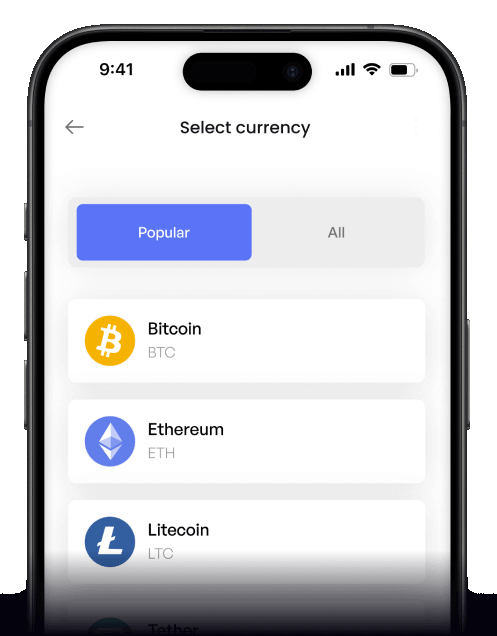
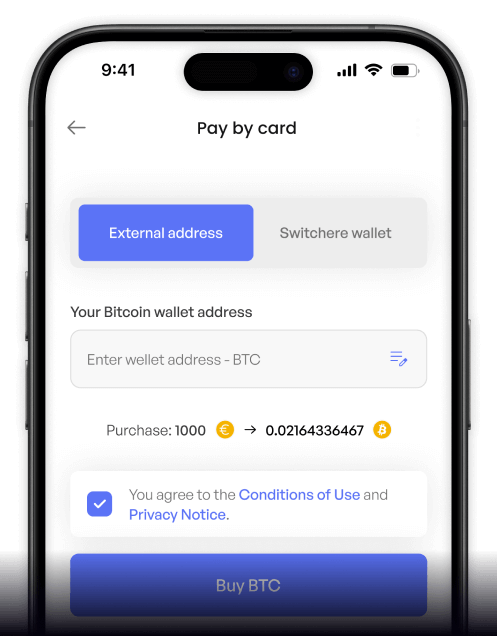
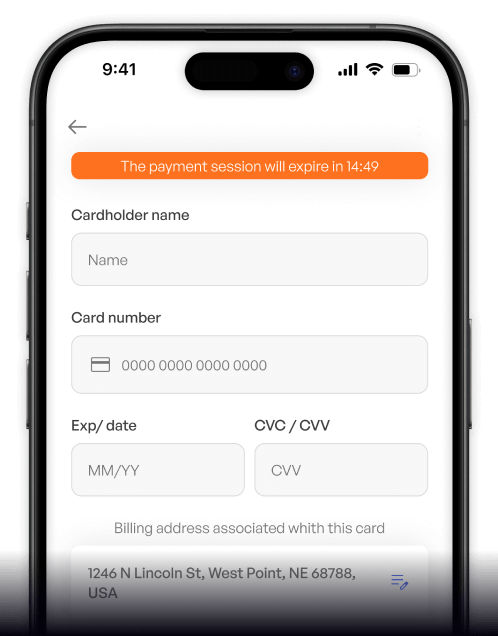
Kusama (KSM) Nasıl Satın Alınır
 Adım adım rehberlik
 Kolay kredi kartı ödemeleri
 Kolaylaştırılmış satın alma süreci
 Web
Web
Philippine Peso (PHP) için Popüler Paralar





Philippine Peso (PHP) için Diğer Madeni Paralar









Sıkça sorulan sorular
-
Filipin Pezosu (PHP) ile Kusama (KSM) satın almanın yaygın yöntemleri nelerdir?
KSM dijital varlığını PHP ile satın almak için, PHP/KSM işlem çifti sunan veya bir fiat rampası olarak hizmet veren düzenlenmiş bir kripto para borsasını kullanabilirsiniz. Filipinler'deki yaygın ödeme yöntemleri arasında doğrudan banka havaleleri, Gcash ve PayMaya bulunmaktadır. Bu platformlar, güvenli ticaret için KYC/AML uyumluluğu gerektirir ve fiat paranızı doğrudan KSM'ye dönüştürerek Kusama'nın kanarya ağıyla etkileşim kurmanıza olanak tanır. -
Kusama'nın Polkadot'un 'kanarya ağı' olarak rolü nedir ve bu PHP yatırımcıları için neden önemlidir?
Kusama, Polkadot'un deneysel, denetlenmemiş bir versiyonudur ve geliştiricilerin yeni özellikleri, parachain'leri ve zincir üstü yönetişimi gerçek bir ekonomik ortamda test edebilecekleri bir 'kanarya ağı' olarak işlev görür. PHP yatırımcıları için KSM edinmek, bu kaotik ama yenilikçi ekosisteme doğrudan giriş sağlar. Yeni projeler için crowdloan'lere katılma ve KSM stake etme imkanı sunarak, Substrate çerçevesi üzerine inşa edilmiş en son blok zinciri teknolojisiyle Polkadot'a dağıtılmadan önce etkileşim kurma şansı verir. -
PHP ile KSM satın aldıktan sonra, Kusama ekosisteminde token'ın başlıca kullanım alanları nelerdir?
PHP'yi KSM'ye dönüştürdükten sonra, token'ların birkaç temel faydası vardır. Birincil kullanım, yeni projelerin ağda bir yer edinmesine yardımcı olmak için crowdloan'ler aracılığıyla parachain yuvası müzayedelerine katılmak üzere KSM bağlamaktır. Diğer bir önemli işlev, ağı güvence altına almak ve ödüller kazanmak için bir aday olarak hareket edebileceğiniz staking'dir. Son olarak, KSM, token sahiplerinin teklifler ve çatalsız yükseltmeler hakkında oy kullanmasına olanak tanıyan zincir üstü yönetişim için kullanılır. -
PHP'den KSM'ye bir blok zinciri işlemi gerçekleştirirken ne tür ücretler beklemeliyim?
Süreç birkaç potansiyel ücret içerir. İlk olarak, fiat rampası veya kripto para borsası, PHP için bir para yatırma ücreti ve dönüşüm için bir işlem ücreti talep edebilir. İkinci olarak, KSM'nizi kişisel bir dijital cüzdana çektiğinizde, bir ağ işlem ücreti ödersiniz. Kusama'nın ücretleri dinamiktir ve işlem ağırlığı ve ağ yoğunluğu gibi faktörlere bağlıdır, ancak genellikle deneysel bir ağ olarak rolünü yansıtacak şekilde Polkadot'takinden daha düşük olacak şekilde tasarlanmıştır. -
Filipinler'deki KYC/AML uyumluluğu PHP'den KSM'ye dönüşümleri nasıl etkiler?
Yerel borsalar için genellikle Bangko Sentral ng Pilipinas (BSP) tarafından denetlenen KYC (Müşterini Tanı) ve AML (Kara Para Aklamayı Önleme) düzenlemeleri, güvenli ticaret için zorunludur. Merkezi bir fiat rampası kullanırken kimliğinizi doğrulamanız gerekir. Bu süreç, kullanıcıları ve platformu koruyarak uyumlu bir dijital varlık alımı sağlar. İlk işleminize bir adım eklese de, PHP'yi zincir üstü yönetişim ve staking için kullanılan KSM gibi bir token'a dönüştürmek için çok önemli bir güvenlik önlemidir.

Yolda satın alın
Her yerde. Her zaman.
Kredi kartınızla her yerden kripto para satın alın. Canlı kurlar, şeffaf ücretler ve her siparişte 3D Secure – Switchere'nin eksiksiz kartla satın alma deneyimi artık cebinizde.



Uygulamayı indirmek için tarayın (iOS ve Android)

