


Convert
Philippine Peso (PHP) to Liquity (LQTY) Instantly


Purchase Liquity (LQTY) with Philippine Peso (PHP) easily at Switchere and benefit from fast, secure transactions.
About
Liquity (LQTY)
Liquity is a decentralized borrowing protocol built on the Ethereum blockchain that offers a unique approach to DeFi lending. Its core function is to allow users to draw interest-free loans against their Ether (ETH) collateral. These loans are paid out in LUSD, a fully redeemable, USD-pegged stablecoin. A primary innovation of this digital asset protocol is its exceptional capital efficiency, requiring a minimum collateral ratio of only 110%. This design makes it one of the most accessible on-chain borrowing solutions available within the decentralized finance ecosystem, directly addressing the issue of over-collateralization common in other platforms.
The system’s architecture is rooted in true decentralization. Liquity’s smart contracts are immutable and the protocol operates without any form of governance, minimizing human intervention and creating a more predictable financial instrument. Its robust liquidation mechanism is managed algorithmically and supported by a Stability Pool, where LUSD holders can deposit their tokens to participate in liquidating under-collateralized positions, known as Troves. The native utility token, LQTY, is not a governance token. Instead, its primary function is for staking. By staking LQTY, holders earn a share of the protocol fees generated from LUSD issuance and redemptions, providing a direct revenue stream from the protocol's core operations.

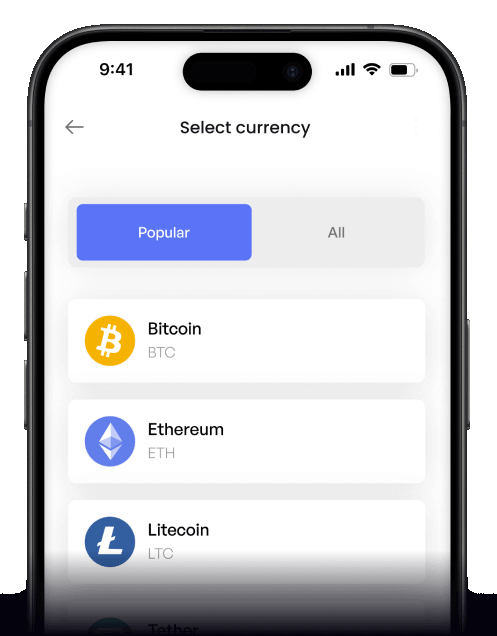
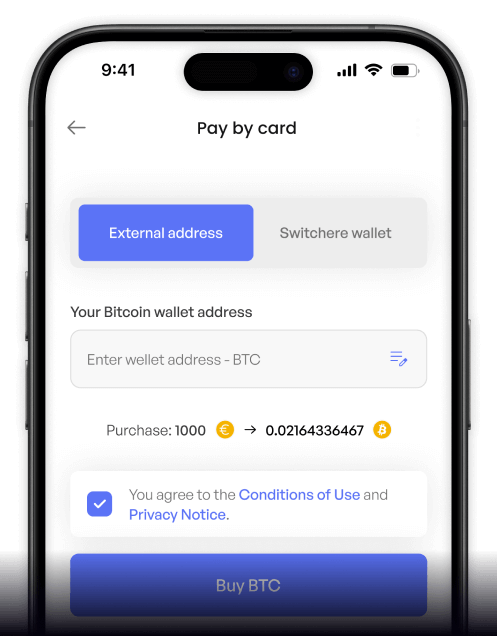
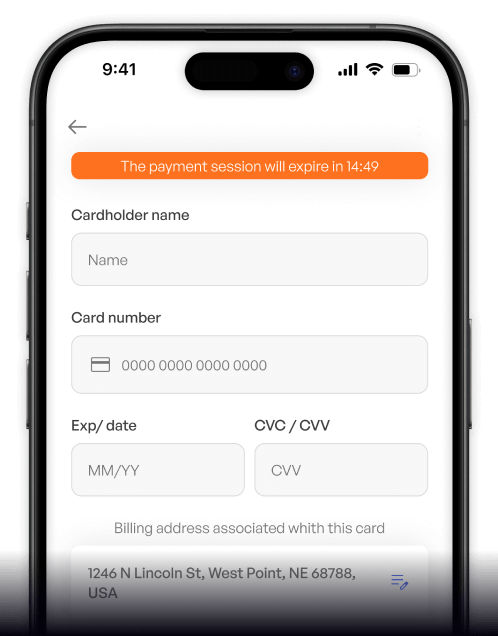
How to Buy Liquity (LQTY)
 Step-by-step guidance
 Easy credit card payments
 Streamlined purchase process
 Web
Web
Popular Coins for Philippine Peso (PHP)




Other Coins for Philippine Peso (PHP)








Frequently asked questions
-
What is the primary function of the PHP to LQTY trading pair?
The PHP/LQTY pair serves as a direct fiat on-ramp for acquiring Liquity's secondary token, LQTY, using the Philippine Peso. This allows users to invest in the Liquity protocol, an Ethereum-based decentralized borrowing platform. The main utility of the LQTY token is staking, which enables holders to earn a share of the protocol revenue generated from LUSD stablecoin issuance and redemption fees. -
Which platforms support buying LQTY directly with Philippine Peso (PHP)?
While direct PHP/LQTY order books are rare, you can acquire LQTY using PHP on cryptocurrency exchanges that offer PHP deposits through methods like local bank transfers, GCash, or PayMaya. The process typically involves depositing PHP, converting it to a major cryptocurrency like ETH or a stablecoin, and then trading for LQTY. P2P platforms can also be a viable fiat gateway, but always ensure KYC/AML compliance for secure trading. -
What are the advantages of staking LQTY tokens after purchasing them?
Staking LQTY is the token's core function. By staking your LQTY in the Liquity protocol, you become eligible to earn continuous protocol revenue. This revenue comes from fees paid when users open a Trove to borrow the LUSD stablecoin and when they redeem LUSD for the underlying ETH collateral. It provides a direct way to benefit from the protocol's adoption and transaction volume. -
How does Liquity's interest-free loan mechanism relate to the value of LQTY?
Liquity allows users to take out interest-free loans by depositing ETH as collateral into a smart contract called a 'Trove,' minting the LUSD stablecoin. The protocol's success and the demand for these loans directly drive its revenue from one-time fees. Since all protocol revenue is distributed to LQTY stakers, the attractiveness of this unique interest-free borrowing model is fundamentally linked to the potential returns for holding and staking the LQTY digital asset. -
What fees are involved in a typical PHP to LQTY transaction?
A PHP to LQTY transaction usually involves several potential fees. First, your payment provider (e.g., a Philippine bank or GCash) may charge a fee for the PHP deposit onto the cryptocurrency exchange. Second, the exchange will have its own trading fees for executing the buy order. Finally, when you withdraw your LQTY to a personal digital wallet for staking, you must pay an Ethereum network gas fee for the blockchain transaction.

Buy on the go
Anywhere. Anytime.
Buy crypto with your credit card from anywhere. Live rates, transparent fees, and 3D Secure on every order - the full Switchere card-buy experience in your pocket.



Scan to download the app iOS and Android

