


Convert
Philippine Peso (PHP) to TUSD (TRC20) Instantly


Purchase TUSD (TRC20) with Philippine Peso (PHP) easily at Switchere and benefit from fast, secure transactions.
About
TUSD (TRC20)
TrueUSD (TUSD) is a prominent fiat-collateralized stablecoin engineered to maintain a verifiable 1:1 peg with the US Dollar. Its primary objective is to function as a transparent and reliable digital asset, bridging the gap between traditional fiat currencies and the decentralized finance ecosystem. The TUSD (TRC20) variant is a specific token standard that operates natively on the TRON blockchain. This leverages the TRON network's high throughput and low transaction fees, offering users a highly efficient and cost-effective means for peer-to-peer payments and on-chain activities. It provides the stability of the dollar with the performance of a modern blockchain technology infrastructure.
The key differentiator for TUSD is its robust framework for trust and transparency. The stablecoin is fully backed by US Dollar reserves held in independently audited financial institutions. Through a partnership with an accounting firm, it provides near real-time on-chain attestations of its reserves, offering cryptographic proof of collateralization. The TUSD token's main utility within the TRON ecosystem is to serve as a stable medium of exchange, a unit of account in DeFi applications, and a hedge against market volatility. As a TRC20 asset, it is integral for liquidity pools, lending protocols, and other Web3 applications, cementing its role as a foundational stable value asset.

How to Buy TUSD (TRC20)
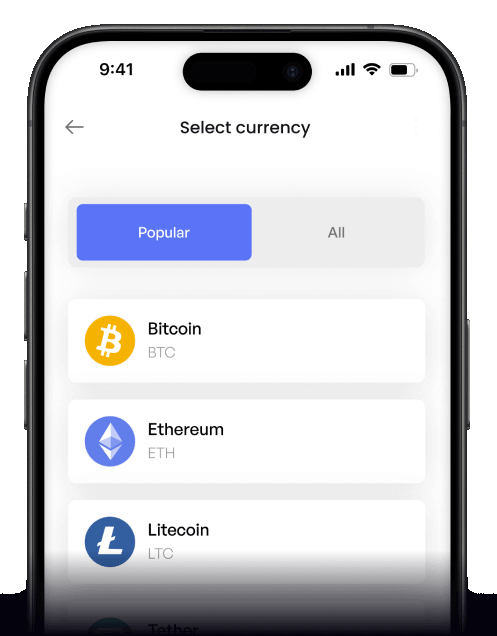
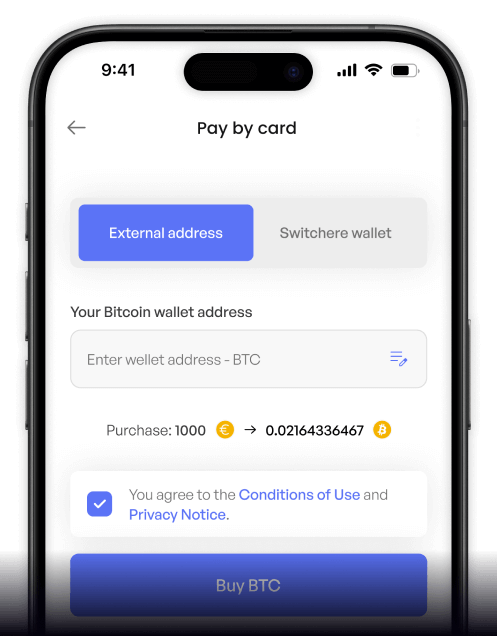
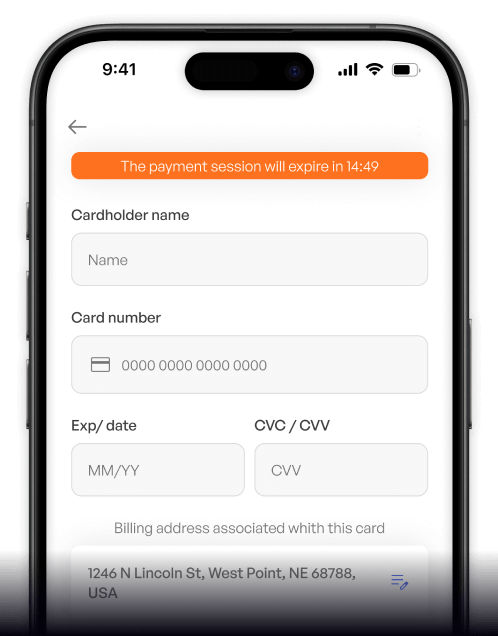
 Step-by-step guidance
 Easy credit card payments
 Streamlined purchase process
 Web
Web
Popular Coins for Philippine Peso (PHP)





Other Coins for Philippine Peso (PHP)









Frequently asked questions
-
What is the PHP to TUSD (TRC20) pair and why is it significant?
The PHP/TUSD (TRC20) pair represents the exchange rate between the Philippine Peso (PHP) and TrueUSD (TUSD), a dollar-pegged stablecoin that operates on the TRON network as a TRC20 token. This pairing is a crucial fiat on-ramp for users in the Philippines, allowing them to convert their local currency into a stable digital asset on a blockchain known for its low transaction fees and high throughput, providing an efficient gateway into the broader DeFi and crypto ecosystem. -
What are the common methods for purchasing TUSD (TRC20) with Philippine Pesos?
To acquire TRC20 TUSD with PHP, users typically utilize peer-to-peer (P2P) marketplaces on major cryptocurrency exchanges or local Filipino crypto platforms. Common payment methods include direct bank transfers from local banks, and popular e-wallets like GCash or PayMaya. These platforms act as a fiat gateway, requiring users to complete KYC/AML compliance before facilitating the secure trade of PHP for the digital asset. -
What are the benefits of using the TRON network for TUSD transactions instead of other blockchains?
The primary advantage of using TRC20 TUSD is the efficiency of the TRON network. It is renowned for its significantly lower transaction fees (network costs are paid in TRX via 'Energy' and 'Bandwidth') and faster confirmation times compared to other networks like Ethereum (ERC20). This makes it ideal for frequent payments or transferring value without incurring high blockchain transaction costs, which is a major benefit for traders and users managing PHP conversions. -
What is a TRC20 address and how do I ensure I'm using the correct one for my TUSD?
A TRC20 address is a unique identifier on the TRON blockchain, which typically starts with the letter 'T'. It is crucial to use a TRC20-compatible digital wallet to receive TRC20 TUSD. Sending this token to an address on a different blockchain (e.g., an Ethereum address starting with '0x') will result in the permanent loss of your digital assets. Always double-check that the receiving wallet supports TRON (TRC20) tokens and that the address format is correct before initiating a withdrawal or transfer. -
Are there specific regulations to be aware of when converting PHP to TUSD in the Philippines?
Yes, transactions involving PHP and digital assets are subject to oversight by the Bangko Sentral ng Pilipinas (BSP). When using a licensed Virtual Asset Service Provider (VASP), you will be required to undergo a Know Your Customer (KYC) process. This is standard KYC/AML compliance to prevent illicit activities. It is recommended to use BSP-regulated exchanges and platforms to ensure your PHP to TUSD (TRC20) transaction is compliant and secure.

Buy on the go
Anywhere. Anytime.
Buy crypto with your credit card from anywhere. Live rates, transparent fees, and 3D Secure on every order - the full Switchere card-buy experience in your pocket.



Scan to download the app iOS and Android

