


- Startseite
- Konverter
- Philippine Peso (PHP) zu Ethereum Classic (ETC)

Konvertieren
Philippine Peso (PHP) zu Ethereum Classic (ETC) Sofort


Kaufen Sie Ethereum Classic (ETC) mit Philippine Peso (PHP) einfach bei Switchere und profitieren Sie von schnellen und sicheren Transaktionen.
Über
Ethereum Classic (ETC)
Ethereum Classic (ETC) ist die Fortsetzung der ursprünglichen Ethereum-Blockchain und hält nach dem DAO-Hack von 2016, der zur Spaltung des Netzwerks führte, am Prinzip der Unveränderlichkeit fest. Dieses dezentrale Netzwerk setzt weiterhin auf einen Proof-of-Work (PoW)-Konsensmechanismus, der derzeit den Etchash-Algorithmus verwendet, um eine robuste kryptografische Sicherheit zu gewährleisten und Transaktionen in seinem digitalen Hauptbuch zu validieren. Als grundlegende Smart-Contract-Plattform unterstützt Ethereum Classic die Entwicklung und Ausführung dezentraler Anwendungen (dApps) und bietet Entwicklern eine erlaubnisfreie Umgebung, um eine breite Palette von On-Chain-Lösungen zu erstellen und die Turing-komplette virtuelle Maschine zu nutzen. Der native ETC-Token ist für das Ökosystem unverzichtbar und dient in erster Linie als Treibstoff für Transaktionsgebühren und Rechenressourcen, die für Smart-Contract-Operationen und Peer-to-Peer-Transfers innerhalb dieser Web3-Infrastruktur erforderlich sind.
Neben seiner Nützlichkeit für den Netzwerkbetrieb sind die Tokenomics von ETC mit einer festen Angebotsobergrenze versehen, die durch ECIP-1017 festgelegt wurde, um es als soliden digitalen Vermögenswert mit deflationären Eigenschaften im Laufe der Zeit zu positionieren, was es von der sich entwickelnden Geldpolitik von Ethereum (ETH) unterscheidet. Ethereum Classic vertritt weiterhin die Philosophie "Code ist Gesetz" und bietet eine widerstandsfähige und zensurresistente Plattform für verschiedene DeFi-Anwendungen und digitale Vermögenswerte. Es stellt eine wichtige Alternative innerhalb der breiteren Blockchain-Technologielandschaft für Nutzer und Entwickler dar, die für ihre dezentralen Lösungen und kryptografischen Sicherheitsbedürfnisse eine unerschütterliche Integrität der Kette und das bewährte Sicherheitsmodell des Proof-of-Work bevorzugen und ist ein Beweis für die Beständigkeit der Kette.

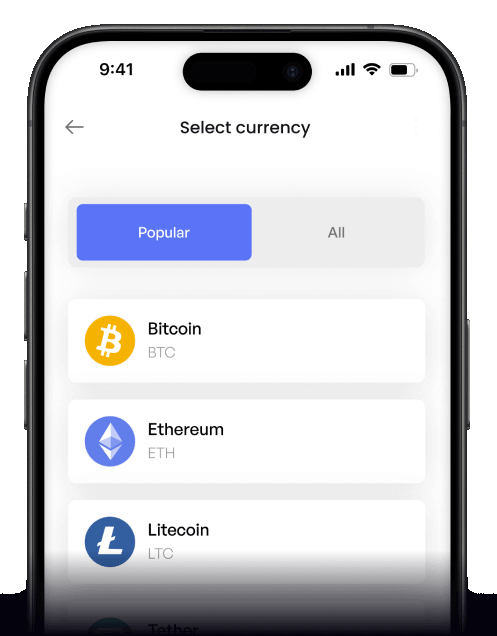
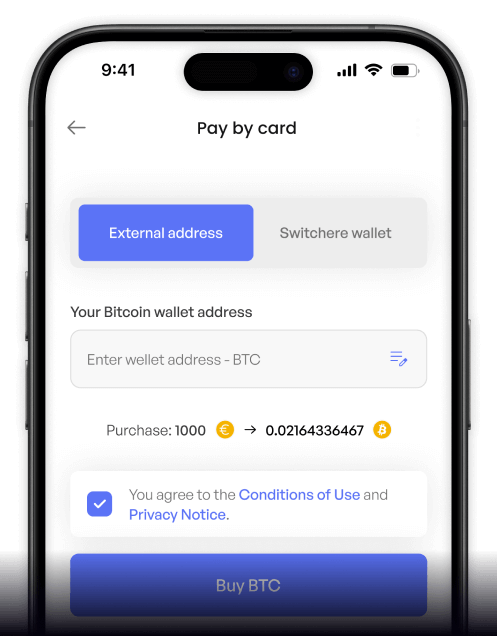
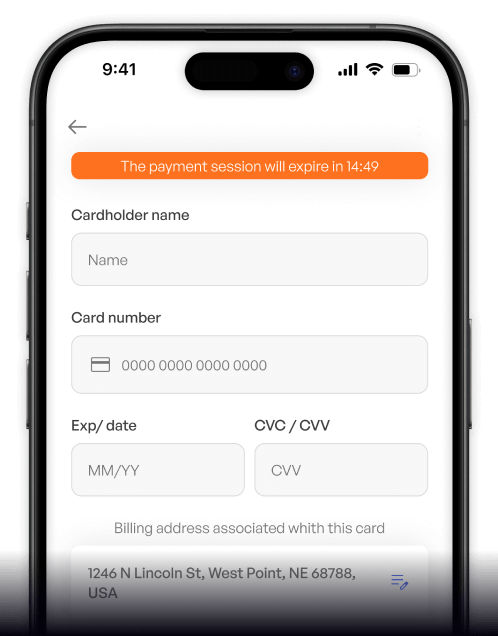
Wie man Ethereum Classic (ETC) kauft
 Schritt-für-Schritt-Anleitung
 Einfache Zahlungen mit Kreditkarte
 Rationalisierter Kaufprozess
 Web
Web
Beliebte Münzen für Philippine Peso (PHP)





Andere Münzen für Philippine Peso (PHP)





Häufig gestellte Fragen
-
Was genau ist das Handelspaar PHP/ETC und welche Bedeutung hat es?
Das PHP/ETC-Paar stellt den direkten Wechselkurs zwischen dem Philippinischen Peso (PHP) und Ethereum Classic (ETC) dar. Seine Bedeutung liegt darin, einen direkten Fiat-On-Ramp für Benutzer auf den Philippinen zu bieten, um ETC zu erwerben, die ursprüngliche Ethereum-Blockchain, die einen Proof-of-Work (PoW)-Konsensmechanismus beibehält. Dies ermöglicht es Anlegern, ein auf Unveränderlichkeit ausgerichtetes digitales Asset direkt aus ihrer Landeswährung zu handeln, ohne Zwischenkonvertierungen und um mit seinen Smart-Contract-Fähigkeiten zu interagieren. -
Was sind die gängigen Zahlungsmethoden, um ETC mit Philippinischen Pesos (PHP) zu kaufen?
Um ETC mit PHP zu kaufen, nutzen Benutzer auf lokalen Kryptowährungsbörsen typischerweise verschiedene Fiat-Gateways. Zu den gängigsten Methoden gehören direkte Banküberweisungen über InstaPay oder PESONet, die eine sichere Verbindung zu Ihrem Bankkonto bieten. Darüber hinaus sind beliebte E-Wallets wie GCash und PayMaya weit verbreitet und ermöglichen schnelle und bequeme mobile Zahlungen. Die Einhaltung der KYC/AML-Vorschriften ist auf diesen Plattformen ein obligatorischer Schritt, bevor ein Kauf von digitalen Vermögenswerten getätigt werden kann. -
Warum könnte ein Händler Ethereum Classic (ETC) anderen Smart-Contract-Plattformen vorziehen?
Händler entscheiden sich möglicherweise für Ethereum Classic wegen seines unerschütterlichen Bekenntnisses zum Prinzip 'Code is Law', was bedeutet, dass Transaktionen und Smart Contracts auf seiner Blockchain endgültig sind und nicht geändert werden können. Als ursprüngliche Ethereum-Kette arbeitet sie mit einem kampferprobten Proof-of-Work (PoW)-Konsens, den einige als grundlegend sicherer und dezentraler als Proof-of-Stake-Alternativen betrachten. Dies macht ETC zu einer Wahl für diejenigen, die Unveränderlichkeit und ein bewährtes Sicherheitsmodell für den Betrieb von DApps und digitalen Vermögenswerten priorisieren. -
Welche Gebühren fallen bei der Umrechnung von PHP in ETC an?
Bei der Umrechnung von PHP in ETC sollten Sie einige Arten von Gebühren berücksichtigen. Erstens gibt es oft eine Fiat-Einzahlungsgebühr, die vom Zahlungsabwickler erhoben wird (z. B. ein kleiner Prozentsatz für die Nutzung eines E-Wallets). Zweitens erhebt die Kryptowährungsbörse eine Handelsgebühr, die in der Regel auf einem Maker-Taker-Modell basiert. Schließlich, wenn Sie Ihre ETC auf eine persönliche digitale Brieftasche übertragen, zahlen Sie eine ETC-Netzwerk-Auszahlungsgebühr, die die Kosten der Blockchain-Transaktion auf der Proof-of-Work-Kette deckt. -
Wie kann ich mein Ethereum Classic (ETC) nach dem Kauf mit PHP sicher aufbewahren?
Für die sichere, langfristige Aufbewahrung von mit PHP erworbenen ETC wird dringend empfohlen, Ihre digitalen Vermögenswerte von der Börse auf eine persönliche Brieftasche zu übertragen, bei der Sie die privaten Schlüssel kontrollieren. Dies wird als Selbstverwahrung bezeichnet. Zu den Optionen gehören Hardware-Wallets (die sichersten), die Schlüssel offline speichern, und seriöse Software-Wallets. Sichern Sie Ihre Seed-Phrase immer an einem sicheren, offline Ort und teilen Sie sie niemals. Das Belassen von Vermögenswerten auf einer Börse setzt sie plattformspezifischen Risiken aus.

Unterwegs kaufen
Überall. Jederzeit.
Kaufen Sie Kryptowährungen mit Ihrer Kreditkarte von überall aus. Aktuelle Kurse, transparente Gebühren und 3D Secure bei jeder Bestellung – das komplette Switchere-Erlebnis beim Kauf mit Kreditkarte immer griffbereit.



Scannen Sie den QR-Code, um die App für iOS und Android herunterzuladen

