


Convert
Philippine Peso (PHP) to StormX (STMX) Instantly


Purchase StormX (STMX) with Philippine Peso (PHP) easily at Switchere and benefit from fast, secure transactions.
About
StormX (STMX)
StormX (STMX) is a leading blockchain-based platform that revolutionizes online shopping through its innovative "Shop-to-Earn" model, offering crypto cashback on purchases from thousands of global partner stores. Operating via a user-friendly mobile app and browser extension, it seamlessly integrates with existing e-commerce ecosystems, allowing users to earn cryptocurrency rewards on everyday spending. This digital asset platform acts as a bridge between traditional retail and the burgeoning Web3 space, simplifying the process of acquiring digital assets. By leveraging smart contracts, StormX provides a transparent and efficient loyalty program built on blockchain technology, making it a key player in driving mainstream crypto adoption.
The native utility token of the platform, STMX, is an ERC-20 token that powers the core reward mechanics. The primary use case for the STMX token is its staking membership system. Users can stake STMX to elevate their reward level, which directly increases the percentage of crypto cashback they receive from their online shopping. Higher staking tiers unlock superior benefits, creating a robust tokenomics model that encourages holding. Beyond enhancing rewards, the STMX token also grants holders governance rights, allowing them to participate in the platform's future development, solidifying its position as a decentralized rewards network.

How to Buy StormX (STMX)
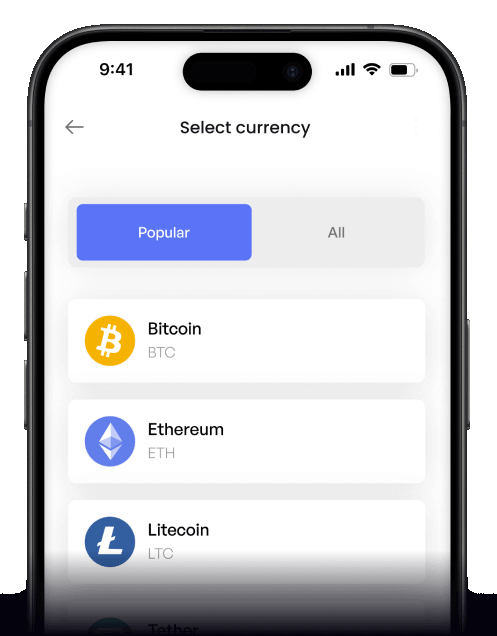
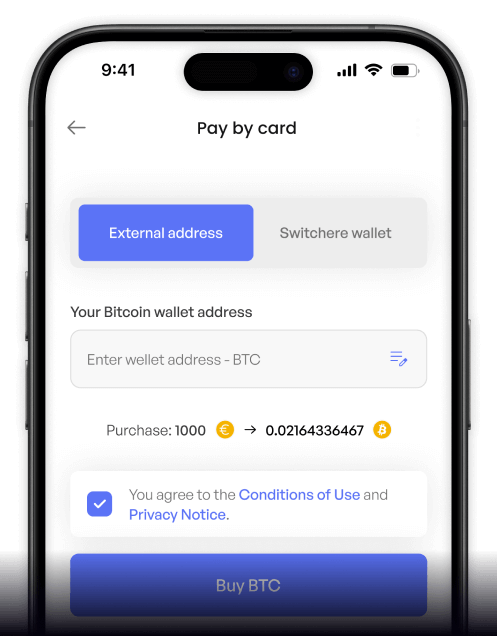
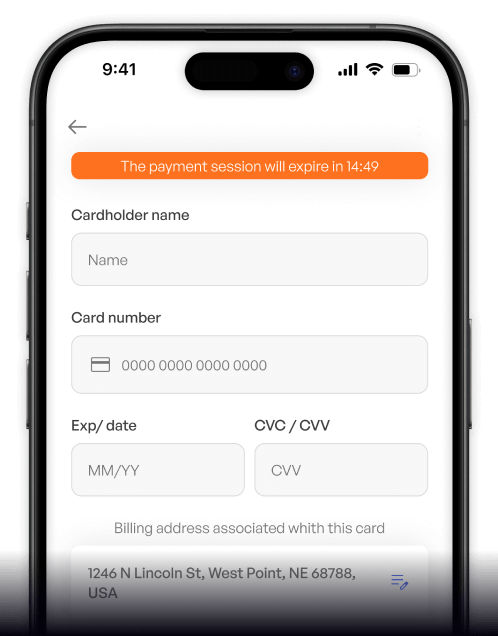
 Step-by-step guidance
 Easy credit card payments
 Streamlined purchase process
 Web
Web
Popular Coins for Philippine Peso (PHP)





Other Coins for Philippine Peso (PHP)








Frequently asked questions
-
What is the PHP/STMX trading pair and its significance?
The PHP/STMX pair represents the direct exchange rate between the Philippine Peso (PHP) and the StormX (STMX) token. Its significance lies in providing a direct fiat on-ramp for users in the Philippines to acquire STMX, a crypto cashback reward token. This allows participation in the StormX Shop-to-Earn ecosystem and staking STMX for benefits without needing to first convert PHP to another major cryptocurrency like BTC or ETH. -
What are common methods to buy STMX using Philippine Pesos (PHP)?
To buy the STMX digital asset with PHP, you typically use a cryptocurrency exchange that supports PHP deposits. Common fiat on-ramp methods in the Philippines include direct bank transfers, or using popular e-wallets like GCash and PayMaya. After funding your account with PHP, you can place an order on the PHP/STMX order book to execute the trade. Always ensure you are using a BSP-regulated exchange for secure trading. -
What are the core utilities of the STMX token after purchasing it?
The primary utility of the STMX token is within its native StormX app. Holders can use STMX to unlock higher crypto cashback rates through its Shop-to-Earn service. Additionally, STMX functions as a governance token, allowing users to vote on platform proposals. Another key feature is staking STMX, which lets you earn yield and secure a higher tier in their loyalty program, further boosting rewards and benefits. -
What blockchain network considerations are there for STMX tokens bought with PHP?
STMX is a multi-chain token, primarily available as an ERC-20 token on Ethereum and a BEP-20 token on BNB Smart Chain. When withdrawing STMX from an exchange after a PHP purchase, you must choose the correct network for your digital wallet. The choice impacts transaction fees (gas fees) and compatibility with DeFi applications. The BEP-20 version generally offers lower fees, while the ERC-20 version provides access to the broader Ethereum ecosystem. -
Are there specific KYC/AML regulations to consider when using a PHP fiat gateway for STMX?
Yes. Any cryptocurrency exchange offering a PHP fiat on-ramp is required to comply with regulations set by the Bangko Sentral ng Pilipinas (BSP). This means users must complete a Know Your Customer (KYC) identity verification process. This involves submitting government-issued IDs and personal information to fulfill Anti-Money Laundering (AML) requirements, ensuring a secure and compliant trading environment for all digital asset transactions.

Buy on the go
Anywhere. Anytime.
Buy crypto with your credit card from anywhere. Live rates, transparent fees, and 3D Secure on every order - the full Switchere card-buy experience in your pocket.



Scan to download the app iOS and Android

