


Convert
Philippine Peso (PHP) to Kava (KAVA) Instantly


Purchase Kava (KAVA) with Philippine Peso (PHP) easily at Switchere and benefit from fast, secure transactions.
About
Kava (KAVA)
Kava (KAVA) operates as a decentralized Layer-1 blockchain, engineered to provide an optimized environment for Web3 development by uniquely merging the strengths of the Cosmos and Ethereum ecosystems. Its core mission is to offer builders a highly scalable and secure platform that leverages the speed and interoperability of the Cosmos SDK alongside the robust developer power of the Ethereum Virtual Machine (EVM). This is achieved through its innovative 'co-chain' architecture, establishing a powerful and flexible foundation for a new generation of DeFi applications and decentralized services designed to operate across multiple blockchain networks seamlessly.
At the heart of Kava's blockchain technology is its dual-chain structure. The Cosmos Co-Chain, secured by the Tendermint consensus mechanism, facilitates rapid transactions and native interoperability via the Inter-Blockchain Communication (IBC) protocol. Concurrently, the Ethereum Co-Chain offers a fully EVM-compatible environment, enabling Solidity developers to migrate or build smart contracts with familiar tools. This architecture provides a scalable infrastructure that bridges two of the largest developer communities in the digital asset space.
The native KAVA digital asset is integral to the network's tokenomics. It serves as a utility token for transaction fees, a governance token for on-chain voting, and a staking asset to secure the Proof-of-Stake network. By staking KAVA, validators help maintain the integrity of the distributed ledger while earning rewards. Through this comprehensive design, Kava positions itself as a key piece of Web3 infrastructure, fostering a burgeoning DeFi hub that supports extensive cross-chain liquidity and innovation.

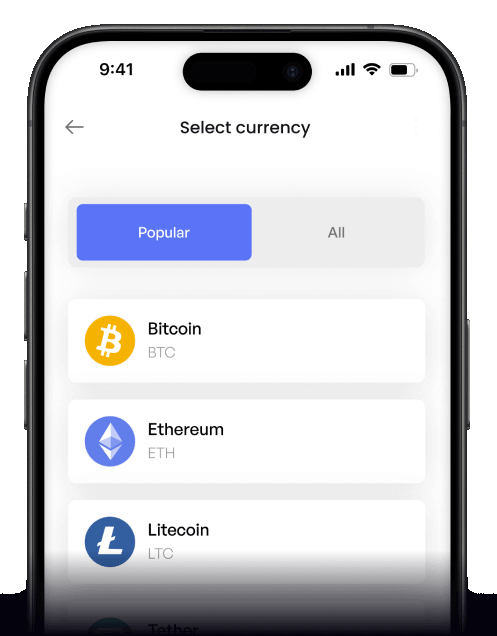
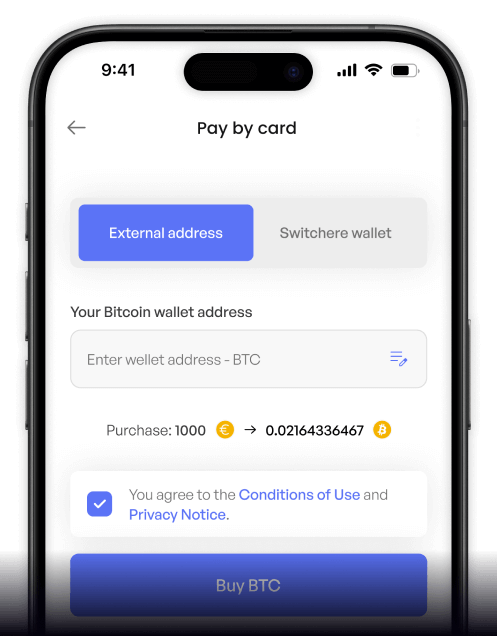
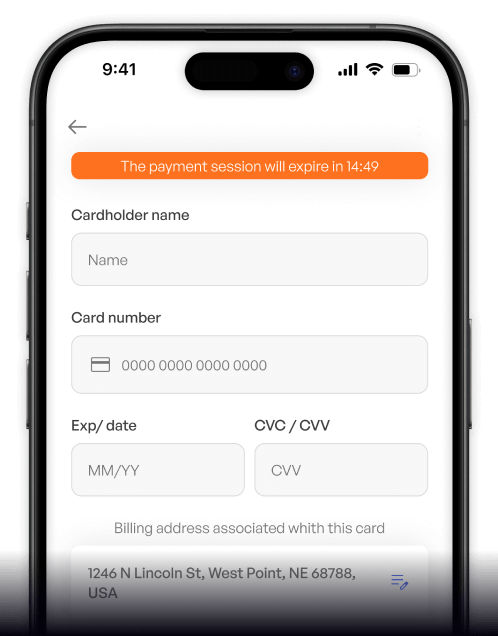
How to Buy Kava (KAVA)
 Step-by-step guidance
 Easy credit card payments
 Streamlined purchase process
 Web
Web
Popular Coins for Philippine Peso (PHP)




Other Coins for Philippine Peso (PHP)









Frequently asked questions
-
What is the most common way to buy KAVA with Philippine Peso (PHP)?
The most straightforward method is using a cryptocurrency exchange that supports PHP as a fiat on-ramp. You'll typically need to create an account, complete KYC/AML verification, deposit PHP via local payment methods like a direct bank transfer, and then execute a trade on the PHP/KAVA order book. This converts your fiat directly into the KAVA digital asset. -
How does Kava's Co-Chain architecture benefit a PHP/KAVA investor?
Kava’s unique Co-Chain architecture integrates both the Cosmos SDK and the Kava EVM. This provides immense flexibility and interoperability. For an investor using PHP, it means the KAVA they purchase provides access to two major ecosystems simultaneously: the fast, scalable Cosmos network and the vast DeFi ecosystem of Ethereum-compatible dApps, all from a single Layer-1 blockchain. -
Can I use popular Philippine e-wallets like Gcash to purchase KAVA?
Yes, many BSP-regulated exchanges and peer-to-peer (P2P) platforms facilitate KAVA purchases using Gcash. This local payment method is often the quickest way to make a PHP deposit onto a platform. Once your PHP is in your exchange wallet, you can proceed to acquire KAVA through the available trading pair. -
After buying KAVA with PHP, what are the advantages of staking the token?
Staking KAVA is a core function of its Layer-1 blockchain. By delegating your KAVA tokens to a validator, you contribute to the network's security and consensus through its Proof-of-Stake mechanism. In return, you can earn staking rewards, typically paid in KAVA. Staking also often grants you rights as a governance token holder to vote on protocol upgrades. -
What are the typical fees and security practices for PHP to KAVA transactions?
When trading PHP for KAVA, expect to encounter deposit fees (depending on your payment method), trading fees on the exchange (maker/taker fees), and a network fee for withdrawing your KAVA to a private digital wallet. For secure trading, always use two-factor authentication (2FA) on your exchange account and consider moving your KAVA to a non-custodial wallet where you control the private keys for long-term storage.

Buy on the go
Anywhere. Anytime.
Buy crypto with your credit card from anywhere. Live rates, transparent fees, and 3D Secure on every order - the full Switchere card-buy experience in your pocket.



Scan to download the app iOS and Android

