


- Startseite
- Konverter
- Philippine Peso (PHP) zu Lido DAO Token (LDO)

Konvertieren
Philippine Peso (PHP) zu Lido DAO Token (LDO) Sofort


Kaufen Sie Lido DAO Token (LDO) mit Philippine Peso (PHP) einfach bei Switchere und profitieren Sie von schnellen und sicheren Transaktionen.
Über
Lido DAO Token (LDO)
Lido DAO (LDO) ist eine dezentralisierte, autonome Organisation, die eine kritische, liquide Staking-Lösung für Proof-of-Stake (PoS) Blockchain-Netzwerke, insbesondere Ethereum, anbietet, aber auch andere wie Polygon und Solana unterstützt. Das Protokoll adressiert das inhärente Illiquiditätsproblem des traditionellen Stakings, bei dem die digitalen Vermögenswerte der Nutzer in der Regel für die Dauer des Stakings gesperrt und unzugänglich sind. Durch den Einsatz von Lidos Smart Contracts können Nutzer ihre PoS-Token einsetzen und erhalten ein entsprechendes liquides Token - st[Asset] (z. B. stETH für Ethereum, stMATIC für Polygon) - das ihr eingesetztes Kapital sowie die aufgelaufenen Einsatzbelohnungen und Beiträge zum Konsensmechanismus repräsentiert. Diese Innovation in der Blockchain-Technologie ermöglicht die Teilnahme an der Netzwerksicherheit, ohne die Kapitalmobilität zu beeinträchtigen.
Die Kerntechnologie hinter Lido stellt sicher, dass diese st[Asset]-Token liquide bleiben und frei gehandelt, verliehen oder als Sicherheiten in verschiedenen DeFi-Anwendungen verwendet werden können. Dies verbessert die Kapitaleffizienz innerhalb der Web3-Infrastruktur und ermöglicht es den Stakern, gleichzeitig Einsätze zu verdienen und andere renditebringende Möglichkeiten zu nutzen. Die Architektur von Lido basiert auf einem dezentralen Netzwerk professioneller Knotenpunktbetreiber, die die zugrundeliegenden Einsätze verwalten, wobei Risiken und Erträge geteilt werden. Die Parameter der Plattform, Upgrades und die Auswahl der Betreiber werden von der Lido DAO gesteuert, wodurch ein gemeinschaftsgesteuerter Ansatz für die Entwicklung und Sicherheit innerhalb des dezentralen Netzwerks gewährleistet wird.
Der LDO-Token ist der native Nutzungs- und Governance-Token der Lido DAO. Seine Hauptfunktion besteht darin, den Inhabern Stimmrechte bei wichtigen Protokollentscheidungen zu gewähren, wie z. B. bei der Anpassung von Gebühren, der Genehmigung neuer Knotenbetreiber, der Zuweisung von Kassenmitteln und der Implementierung von Upgrades für das Smart-Contract-System. Durch dieses On-Chain-Governance-Modell können die Inhaber von LDO-Token die Richtung und die Risikoparameter dieses führenden Liquid-Staking-Protokolls aktiv mitbestimmen. Lido hat sich zu einem grundlegenden Element für Staking-Derivate entwickelt und verbessert die Tokenomics und die Nutzererfahrung für Teilnehmer in PoS-Ökosystemen erheblich, indem es Liquidität aus ansonsten gesperrten digitalen Vermögenswerten freisetzt.

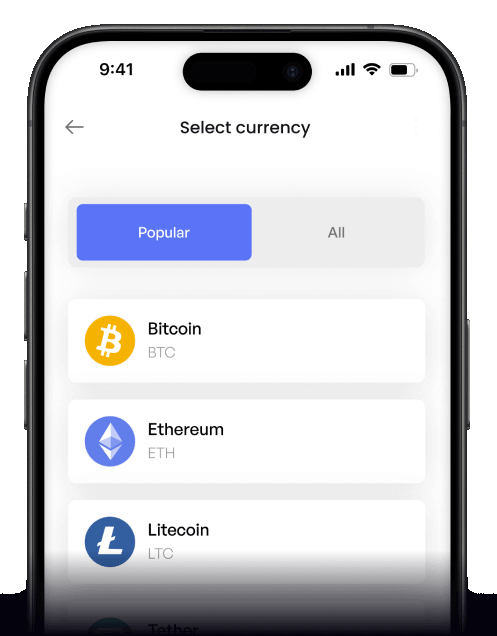
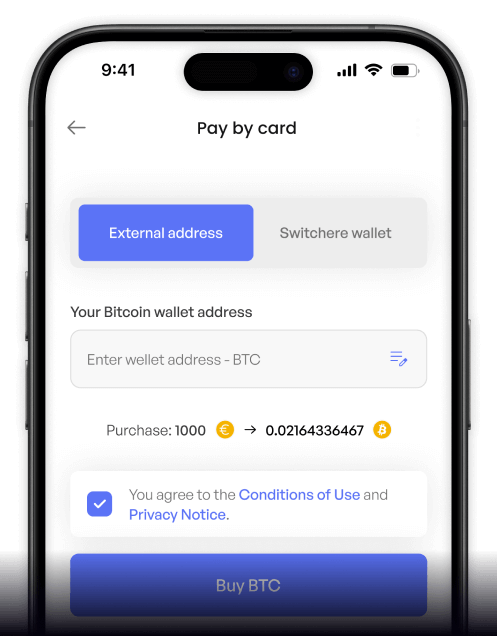
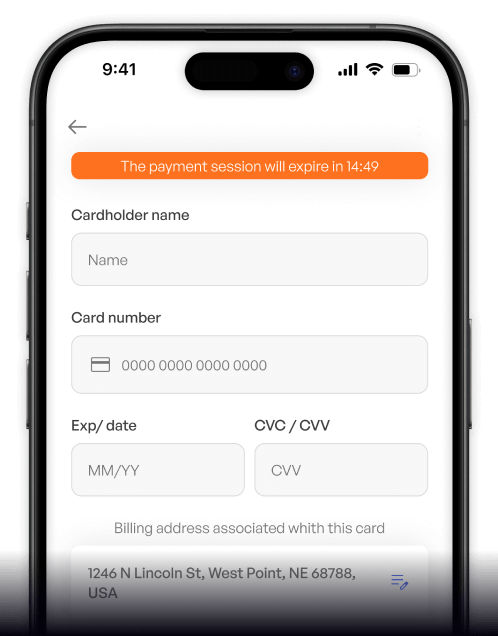
Wie man Lido DAO Token (LDO) kauft
 Schritt-für-Schritt-Anleitung
 Einfache Zahlungen mit Kreditkarte
 Rationalisierter Kaufprozess
 Web
Web
Beliebte Münzen für Philippine Peso (PHP)




Andere Münzen für Philippine Peso (PHP)




Häufig gestellte Fragen
-
Welche Bedeutung hat das Handelspaar PHP/LDO für Krypto-Nutzer auf den Philippinen?
Das PHP/LDO-Paar bietet eine direkte Fiat-On-Ramp für Benutzer auf den Philippinen, um LDO, den Governance-Token für das Lido DAO, zu erwerben. Dies ist von Bedeutung, da Lido eine führende Liquid-Staking-Lösung ist, insbesondere für Ethereum (das stETH produziert). Dieses Paar ermöglicht es Filipinos, einfach in die Governance eines wichtigen DeFi-Protokolls zu investieren, das die Staking-Belohnungen in Proof-of-Stake-Netzwerken beeinflusst, ohne zuerst PHP in ein anderes digitales Asset umwandeln zu müssen. -
Was sind die gängigen Zahlungsmethoden, um LDO mit Philippinischen Peso (PHP) zu kaufen?
Um das digitale Asset LDO mit PHP zu kaufen, verwenden Benutzer normalerweise eine Kryptowährungsbörse, die diese spezielle Fiat-On-Ramp unterstützt. Gängige Zahlungsmethoden auf den Philippinen umfassen direkte Banküberweisungen von lokalen Banken und beliebte E-Wallets wie GCash oder PayMaya. Nach Abschluss der KYC/AML-Konformitätsprüfungen können Sie PHP auf Ihr Börsenkonto einzahlen und eine Bestellung für LDO im PHP/LDO-Orderbuch aufgeben. -
Wie funktioniert LDO innerhalb des Lido Liquid Staking-Protokolls?
LDO ist der native Governance-Token der Lido Dezentralen Autonomen Organisation (DAO). Sein Hauptnutzen besteht darin, den Inhabern Stimmrechte bei DAO-Vorschlägen zu gewähren. Diese Vorschläge können Schlüsselparameter des Lido-Protokolls bestimmen, wie z. B. die Anpassung von Gebühren, die Auswahl von Knotenbetreibern und die Lenkung von Treasury-Mitteln. Indem Sie LDO halten, können Sie an der Steuerung einer der größten Liquid-Staking-Derivate-Plattformen in DeFi teilnehmen. -
Was sind die besten Sicherheitspraktiken nach der Umwandlung von PHP in LDO?
Nach dem Erwerb von LDO-Token ist eine sichere Aufbewahrung entscheidend. Obwohl es für den Handel bequem ist, sie auf einer regulierten Börse zu halten, wird empfohlen, sie für die langfristige Haltung in ein sicheres Wallet zu verschieben, das Sie kontrollieren. Da LDO ein ERC-20-Token ist, ist es mit jedem Ethereum-basierten Wallet kompatibel, wie z. B. einem Hardware-Wallet für maximale Sicherheit oder einem seriösen Software-Wallet. Aktivieren Sie immer die Zwei-Faktor-Authentifizierung (2FA) in Ihrem Börsenkonto und geben Sie niemals die privaten Schlüssel Ihres Wallets weiter. -
Gibt es spezifische Gebühren im Zusammenhang mit PHP-zu-LDO-Blockchain-Transaktionen?
Ja, es fallen mehrere Gebühren an. Erstens kann die Einzahlung von PHP per Banküberweisung oder über E-Wallets wie GCash eine Gebühr des Zahlungsanbieters nach sich ziehen. Zweitens wird die Kryptowährungsbörse eine Handelsgebühr für die Ausführung des PHP/LDO-Handels erheben. Schließlich, wenn Sie Ihre LDO-Token in ein externes digitales Wallet abheben, zahlen Sie eine Netzwerkgebühr, die allgemein als Gasgebühr bekannt ist, da LDO auf der Ethereum-Blockchain ist. Diese Gasgebühr entschädigt Miner/Validatoren für die Verarbeitung der Blockchain-Transaktion.

Unterwegs kaufen
Überall. Jederzeit.
Kaufen Sie Kryptowährungen mit Ihrer Kreditkarte von überall aus. Aktuelle Kurse, transparente Gebühren und 3D Secure bei jeder Bestellung – das komplette Switchere-Erlebnis beim Kauf mit Kreditkarte immer griffbereit.



Scannen Sie den QR-Code, um die App für iOS und Android herunterzuladen

