


- Hjemmeside
- Konverter
- Philippine Peso (PHP) til QTUM (QTUM)

Konverter
Philippine Peso (PHP) til QTUM (QTUM) med det samme


Køb QTUM (QTUM) med Philippine Peso (PHP) nemt hos Switchere og nyd godt af hurtige, sikre transaktioner.
Omkring
QTUM (QTUM)
Qtum (QTUM) er en innovativ hybrid blockchain-platform, der på en unik måde kombinerer sikkerheden fra Bitcoins Unspent Transaction Output (UTXO) model med smart contract-kapaciteterne fra Ethereum Virtual Machine (EVM). Denne fusion opnås gennem dets banebrydende Account Abstraction Layer (AAL), som muliggør en problemfri interaktion mellem disse to forskellige blockchain-arkitekturer. Som et decentraliseret netværk giver Qtum et stabilt, sikkert og fleksibelt miljø for udviklere til at bygge decentrale applikationer (dApps) og for virksomheder til at implementere blockchain-løsninger på virksomhedsniveau. Platformen kører på en Proof-of-Stake (PoS) konsensusmekanisme, hvilket muliggør energieffektiv blokvalidering og giver token-indehavere mulighed for at deltage i netværkssikkerhed ved at stake deres QTUM.
Den native utility-token, QTUM, er afgørende for økosystemets funktionalitet. Den bruges til at betale for transaktionsgebyrer og udførelse af smart contracts, ligesom gas på Ethereum. Desuden fungerer det digitale aktiv som en governance-token gennem Qtums Decentralized Governance Protocol (DGP). Dette on-chain governance-system giver interessenter mulighed for at stemme om centrale netværksparametre, såsom blokstørrelse og gasgebyrer, hvilket fremmer en ægte decentraliseret og tilpasningsdygtig Web3-infrastruktur. Dets mobile-first design og engagement i interoperabilitet positionerer Qtum som en betydelig platform for virkelige DeFi-applikationer og forretningsmæssige use cases.

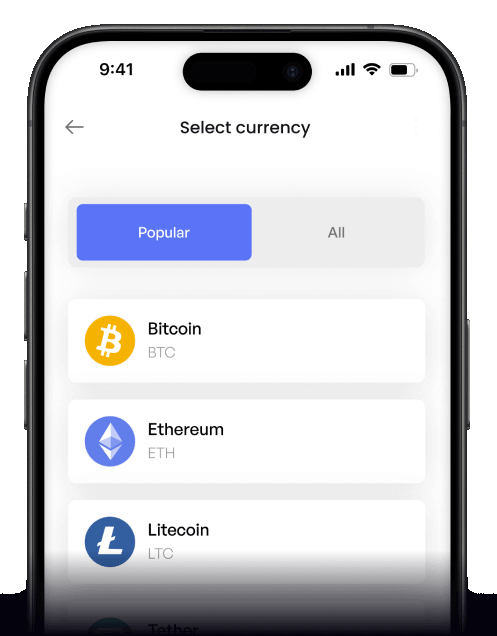
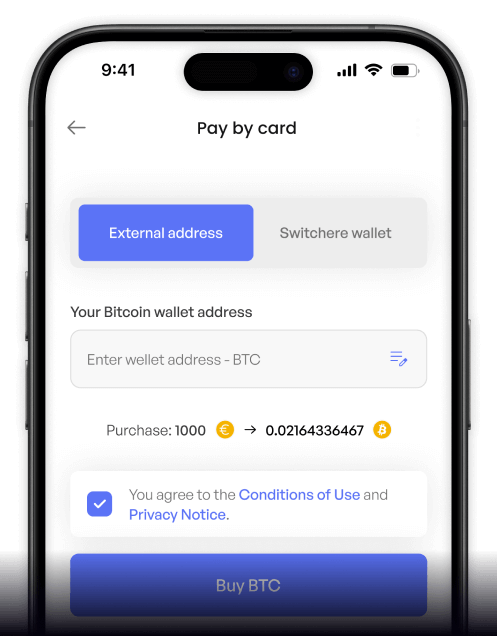
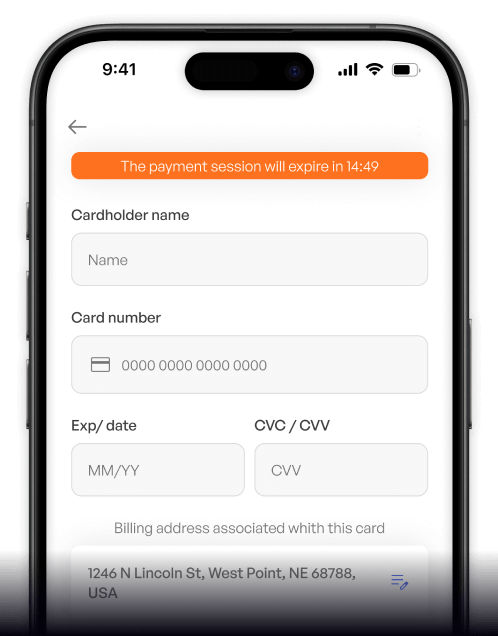
Sådan køber du QTUM (QTUM).
 Trin-for-trin vejledning
 Nemme betalinger med kreditkort
 Strømlinet købsproces
 Web
Web
Populære mønter for Philippine Peso (PHP)




Andre mønter til Philippine Peso (PHP)









Ofte stillede spørgsmål
-
Hvad er den mest almindelige måde at købe QTUM med filippinske peso (PHP) på?
For at købe det digitale aktiv QTUM med PHP er den mest almindelige metode at bruge en kryptovalutabørs, der fungerer som en fiat on-ramp i Filippinerne. Disse platforme giver dig mulighed for at indbetale PHP ved hjælp af lokale betalingsmetoder som GCash, PayMaya eller bankoverførsler. Efter at have gennemført den nødvendige KYC/AML-overholdelse kan du udføre en handel i PHP/QTUM-ordrebogen for at erhverve dine mønter. -
Hvordan gavner Qtums UTXO-model og Account Abstraction Layer en PHP/QTUM-handler?
Qtums arkitektur giver en unik fordel. Den kombinerer Bitcoins sikre Unspent Transaction Output (UTXO)-model for transaktioner med et Account Abstraction Layer (AAL), der muliggør EVM-kompatibilitet. For en handlende betyder det, at når du køber QTUM, holder du et digitalt aktiv, der nyder godt af Bitcoin-lignende sikkerhed for værdioverførsler, samtidig med at du kan interagere med det store økosystem af smarte kontrakter og dApps bygget til Ethereum. -
Hvilke regler skal jeg være opmærksom på, når jeg bruger en PHP fiat-gateway til QTUM?
Når du bruger en fiat-gateway i Filippinerne til at handle PHP for QTUM, skal du overholde reglerne fastsat af Bangko Sentral ng Pilipinas (BSP). Dette indebærer primært at gennemføre en Kend Din Kunde (KYC)-proces med børsen. Du skal fremlægge et gyldigt offentligt ID og eventuelt andre verifikationsdokumenter for at overholde lovgivningen om bekæmpelse af hvidvaskning af penge (AML), hvilket sikrer en sikker og lovlig blockchain-transaktion. -
Hvad er de typiske gebyrer, når man konverterer PHP til det digitale aktiv QTUM?
Når du konverterer PHP til QTUM, kan du forvente et par typer gebyrer. For det første kan der være et indbetalingsgebyr fra betalingsudbyderen (f.eks. GCash eller din bank). For det andet vil kryptovalutabørsen opkræve et handelsgebyr, normalt en lille procentdel af din transaktionsværdi. Endelig, hvis du hæver dine QTUM til en privat digital tegnebog, vil du betale et netværksgebyr. Dette hævningsgebyr bruges til at behandle transaktionen på Qtum Proof-of-Stake (PoS) blockchainen. -
Hvorfor er det vigtigt for dApp-udviklere i Filippinerne at have et direkte PHP/QTUM-handelspar?
Et direkte PHP/QTUM-par giver en strømlinet fiat on-ramp for udviklere og brugere i Filippinerne. Det giver dem mulighed for nemt at finansiere deres projekter eller interagere med decentrale applikationer (dApps) på Qtum-blockchainen uden først at skulle konvertere PHP til en anden stor kryptovaluta som BTC eller ETH. Dette reducerer konverteringsgebyrer og kompleksitet, hvilket gør det mere effektivt at erhverve det native QTUM-token, der er nødvendigt for at betale gasgebyrer og udføre smarte kontrakter på netværket.

Køb, hvor du er
Hvor som helst. Når som helst.
Køb kryptovaluta med dit kreditkort, uanset hvor du befinder dig. Aktuelle kurser, gennemsigtige gebyrer og 3D Secure ved hver eneste ordre – den fulde Switchere-oplevelse ved kortkøb lige i lommen.



Scan for at downloade appen til iOS og Android

