Convert
MAD to DOGE Instantly
Morocco Dirham to Dogecoin at the real-time exchange rate
Purchase Dogecoin (DOGE) with Morocco Dirham (MAD) easily at Switchere and benefit from fast, secure transactions.
About
Dogecoin (DOGE)
Using a reliable MAD to DOGE converter is essential for Moroccan residents looking to enter the cryptocurrency market. The DOGE to MAD rate fluctuates based on the global liquidity of Dogecoin, the inherent volatility of the crypto market, and the prevailing Moroccan Dirham foreign exchange rate. While Dogecoin originated as an internet meme, it operates on its own dedicated proof-of-work blockchain, known for relatively low network fees and fast confirmation times.
When you buy DOGE with MAD, a secure fiat on-ramp is crucial. Typical payment gateways for the Moroccan Dirham include international credit or debit cards, as direct local bank transfers may face specific regional financial regulations. Compliance with strict KYC and AML protocols is typically required to complete these fiat-to-crypto transactions securely. Once the conversion process is finalized, users must provide a compatible Dogecoin wallet address to receive their assets. Because DOGE runs on its native network, it is important to ensure the correct blockchain is selected to avoid loss of funds. Monitoring the real-time exchange rate and understanding transaction overheads empowers users in Morocco to navigate the Dogecoin ecosystem efficiently and securely.
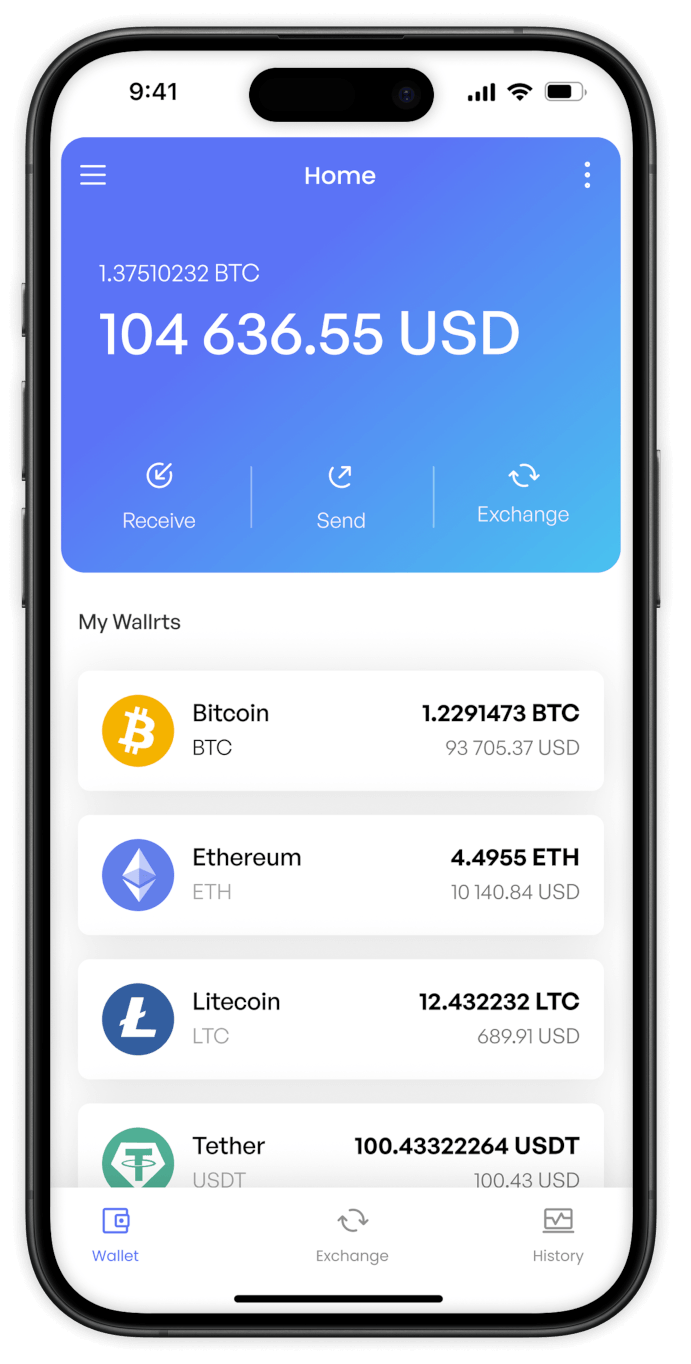
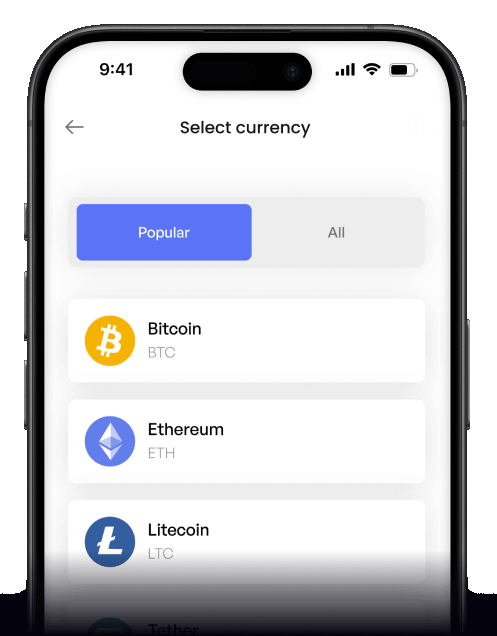
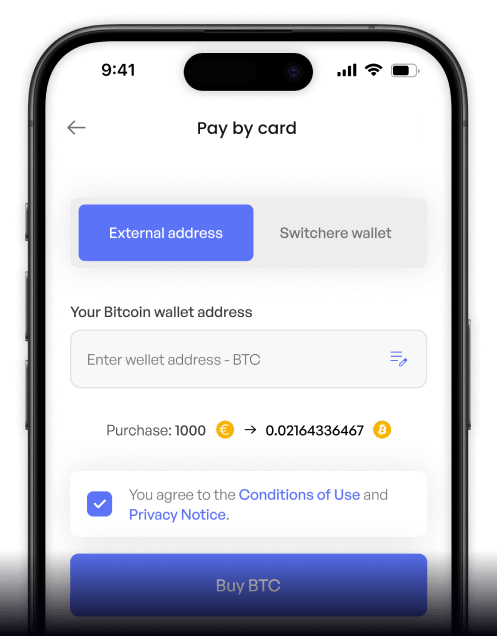
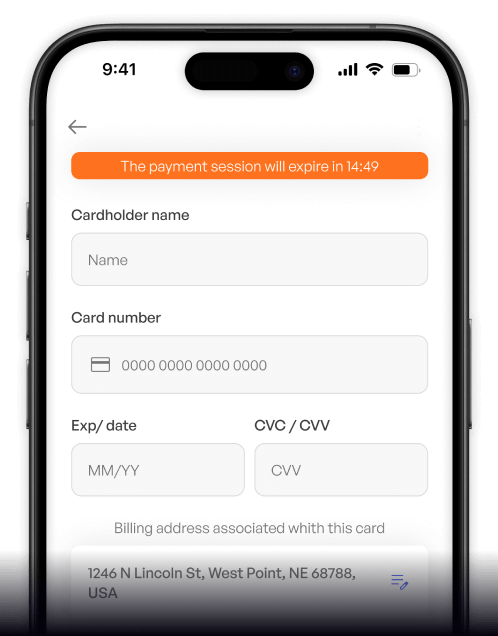
How to Buy Dogecoin (DOGE)
Popular Coins for Morocco Dirham (MAD)
Other Coins for Morocco Dirham (MAD)
Frequently asked questions
-
What are the most common methods to buy Dogecoin (DOGE) with Moroccan Dirham (MAD)?
Due to Morocco's specific regulatory environment concerning digital assets, the most common method for a MAD to DOGE digital asset purchase is through peer-to-peer (P2P) trading platforms. These platforms connect buyers and sellers directly, often using local Moroccan bank transfers for the fiat leg of the transaction after completing KYC/AML compliance checks. Direct purchases on centralized exchanges with MAD are rare. -
What technical aspects of Dogecoin should I know before initiating a MAD to DOGE transaction?
Dogecoin operates on its own blockchain using a Proof-of-Work (PoW) consensus mechanism with the Scrypt algorithm. It is notable for its fast block times (approximately 1 minute) and relatively low transaction fees compared to other PoW coins. A key feature is its merge-mining with Litecoin, which significantly contributes to its network security. Understanding these factors helps in managing expectations for blockchain transaction confirmation times and costs. -
Why is it difficult to find direct fiat on-ramps for MAD to DOGE on major cryptocurrency exchanges?
The primary challenge stems from Morocco's foreign exchange regulations, overseen by the Office des Changes. These rules place tight controls on converting the Moroccan Dirham to foreign currencies for overseas investments, including digital assets. Consequently, most global cryptocurrency exchanges do not list direct MAD trading pairs, pushing trading activity towards P2P markets where local payment methods are used. -
After buying DOGE with MAD, what is the most secure way to store my digital asset?
For secure storage, it is crucial to move your DOGE from the exchange or P2P platform to a digital wallet where you control the private keys. Options include the official Dogecoin Core wallet for desktop, various mobile wallets, or for maximum security, a hardware wallet. This practice protects your digital asset from platform-specific risks and gives you full sovereignty over your funds on the Dogecoin blockchain. -
What factors determine the liquidity and trading volume for the MAD/DOGE pair?
The liquidity for the MAD/DOGE pair is primarily found on P2P platforms and is influenced by local Moroccan demand and the number of active sellers. Trading volume is directly tied to community interest, market sentiment around Dogecoin, and the overall ease of use of available P2P marketplaces. Unlike major pairs on global exchanges, the order book depth is often thinner and more dependent on individual traders.