Convert
THB to SHIB Instantly
Thai Baht to SHIBA INU (ERC20) at the real-time exchange rate


Purchase SHIB (ERC20) with Thai Baht (THB) easily at Switchere and benefit from fast, secure transactions.
About
SHIB (ERC20)
The THB to SHIB converter reflects the real-time exchange rate between the Thai Baht and the Shiba Inu token. This specific SHIB to THB rate fluctuates based on global cryptocurrency market liquidity, the inherent volatility of meme coins, and the international valuation of the Thai Baht. Originally launched as a meme token, SHIB has evolved to include decentralized finance utilities within its ecosystem. For users in Thailand looking to buy SHIB with THB, a reliable fiat on-ramp is essential to navigate these market dynamics.
Investors typically fund their acquisitions using local payment methods such as PromptPay, direct bank transfers, or credit and debit cards, all subject to standard KYC and AML protocols. When processing a THB to SHIB conversion, buyers must ensure they provide a compatible ERC-20 wallet address. Because Shiba Inu primarily operates on the Ethereum blockchain, transactions require network confirmations and incur gas fees, which can vary depending on network congestion. Utilizing an accurate THB to SHIB converter helps Thai residents manage these costs effectively, ensuring seamless entry into the broader Web3 and decentralized finance landscape.

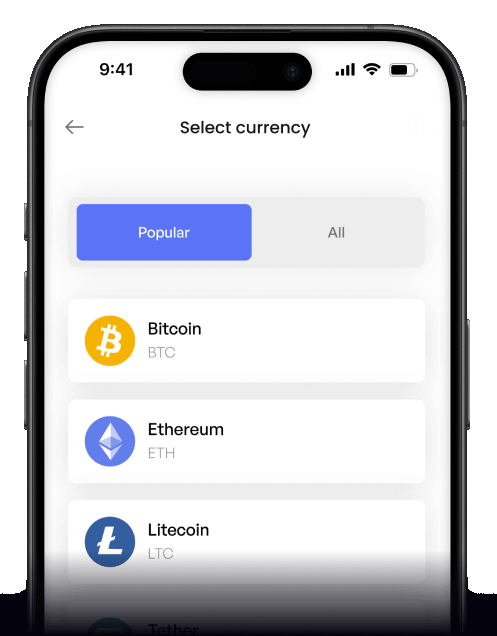
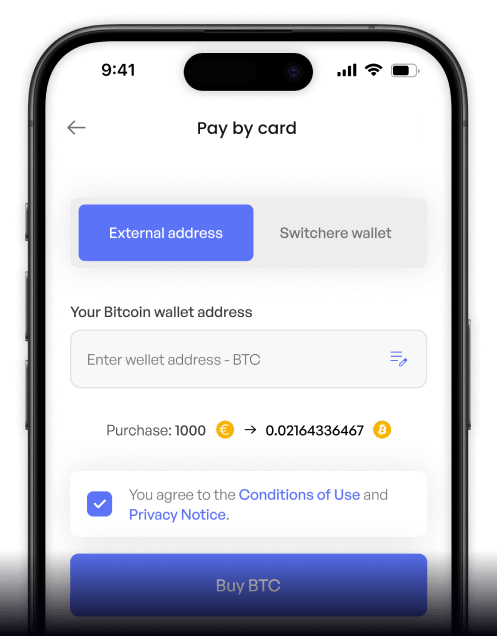
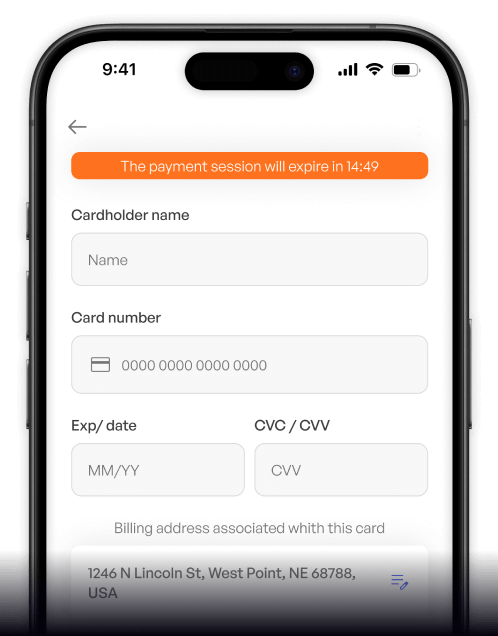
How to Buy SHIB (ERC20)
 Step-by-step guidance
 Easy credit card payments
 Streamlined purchase process
 Web
Popular Coins for Thai Baht (THB)


Other Coins for Thai Baht (THB)


Frequently asked questions
-
What is the best way to buy Shiba Inu (SHIB) with Thai Baht (THB)?
The most common method to buy the SHIB digital asset with THB is through a regulated local cryptocurrency exchange in Thailand. These platforms act as a fiat on-ramp, allowing you to deposit THB via methods like Thai QR PromptPay or a direct bank transfer. After completing the mandatory KYC/AML compliance checks, you can place an order for SHIB, an ERC-20 token, on the THB/SHIB order book. -
How does SHIB's nature as an ERC-20 token affect THB transactions?
When you buy SHIB with THB on an exchange, you are acquiring an ERC-20 token that operates on the Ethereum blockchain. This means if you decide to withdraw your SHIB to a personal digital wallet, the transfer will be an on-chain blockchain transaction. You will be responsible for paying the Ethereum network's gas fees (in Gwei) for this withdrawal, which are separate from any exchange trading fees. This is a key technical aspect of managing assets within the Shiba Inu ecosystem, which also includes projects like Shibarium. -
Are there specific regulatory considerations for the THB/SHIB pair in Thailand?
Yes, all digital asset transactions involving Thai Baht are subject to oversight by the Thai Securities and Exchange Commission (SEC). When trading THB for SHIB, you must use an exchange licensed by the Thai SEC. This ensures the platform adheres to strict KYC (Know Your Customer) and AML (Anti-Money Laundering) protocols, providing a secure trading environment and legal compliance for your fiat-to-crypto transactions. -
What security measures are crucial when converting THB to SHIB?
When performing a THB to SHIB transaction, always use a reputable cryptocurrency exchange with strong security features. Enable two-factor authentication (2FA) on your account for an extra layer of protection. When withdrawing SHIB, double-check the destination wallet address, as blockchain transactions are irreversible. For long-term holding, consider moving your SHIB from the exchange to a secure, non-custodial digital wallet where you control the private keys. -
Why is the THB/SHIB pair significant for local investors in Thailand?
The THB/SHIB trading pair offers direct access to the Shiba Inu decentralized ecosystem for Thai investors using their local currency. This avoids the complexity and potential fees of multi-step conversions (e.g., THB to USD to SHIB). A liquid THB/SHIB market on local exchanges reflects strong regional interest in community-driven projects and provides an accessible entry point into the broader world of digital assets and DeFi protocols.

Buy on the go
Anywhere. Anytime.
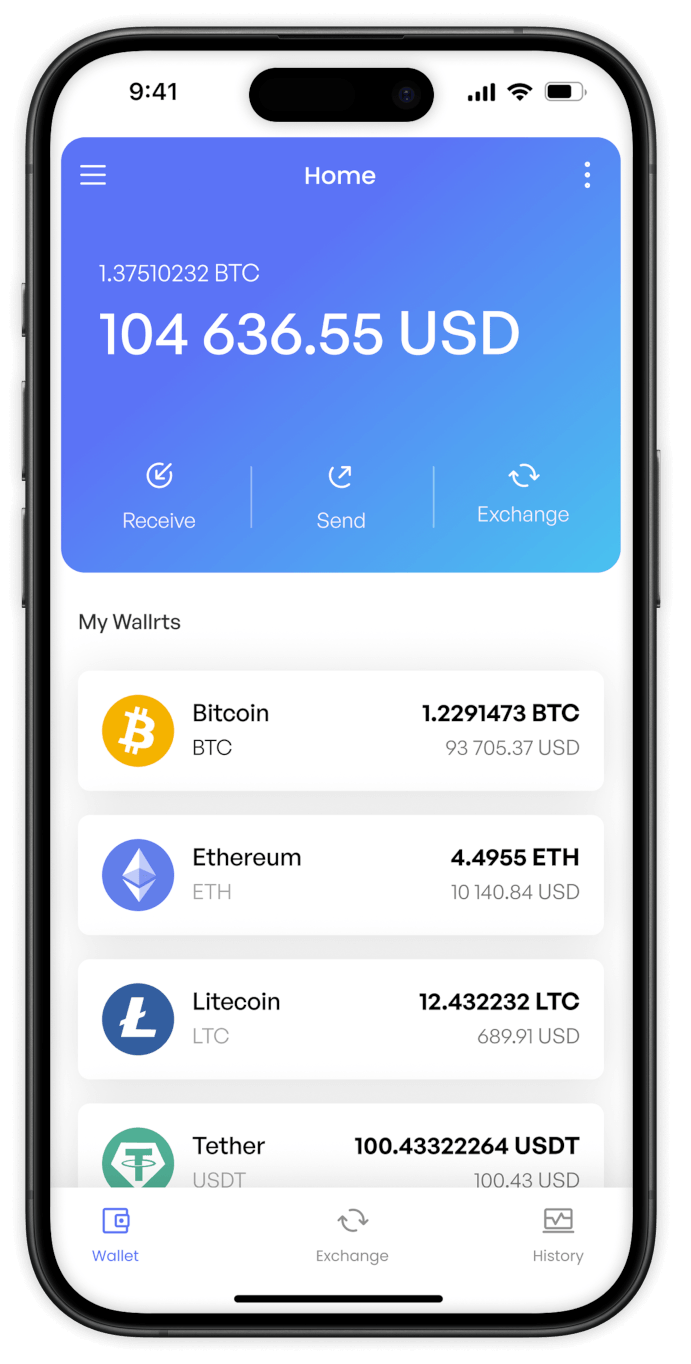
Buy crypto with your credit card from anywhere. Live rates, transparent fees, and 3D Secure on every order - the full Switchere card-buy experience in your pocket.



Scan to download the app iOS and Android