Convert
THB to DOT Instantly
Thai Baht to Polkadot at the real-time exchange rate


Purchase Polkadot (DOT) with Thai Baht (THB) easily at Switchere and benefit from fast, secure transactions.
About
Polkadot (DOT)
Tracking the exact THB to DOT converter values allows users to seamlessly navigate the transition between the Thai Baht and the expanding Polkadot ecosystem. The exchange rate for this specific pair is continuously influenced by the global market liquidity of Polkadot and the regional currency strength of the Thai Baht. When you buy DOT with THB, the live DOT to THB rate reflects not only crypto volatility but also local fiat dynamics.
For residents in Thailand entering the Web3 space, utilizing a reliable fiat on-ramp often involves standard regional payment methods such as PromptPay, local bank transfers, or standard debit and credit cards. Each of these methods requires standard KYC and AML verifications to ensure secure transactions. Once the conversion is initiated, the funds are routed to your Polkadot wallet. Polkadot is a unique multi-chain protocol designed to facilitate cross-chain transfers of any data or asset type, making its native token highly sought after for governance and staking. When receiving your DOT, ensure your wallet supports the correct native network standard. Transaction confirmation times are generally fast, and network fees remain relatively low, making this fiat-to-crypto pathway efficient for Thai users accessing decentralized platforms.

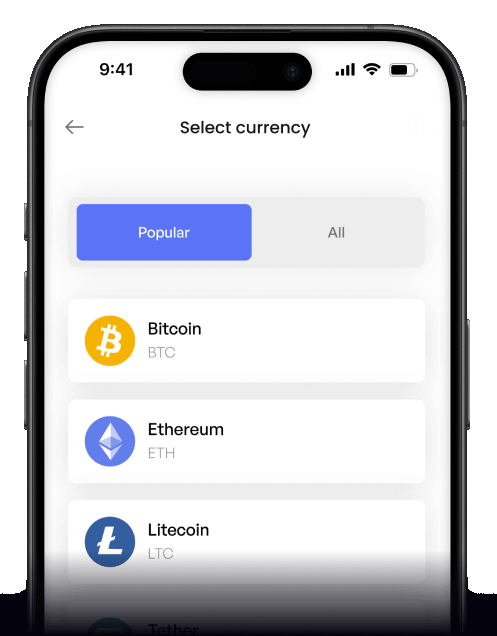
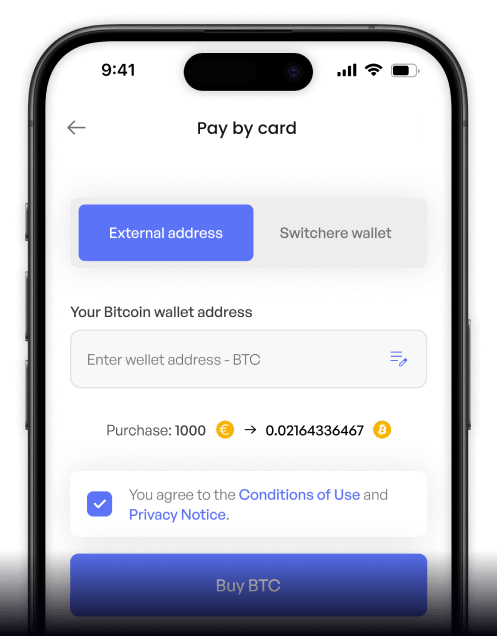
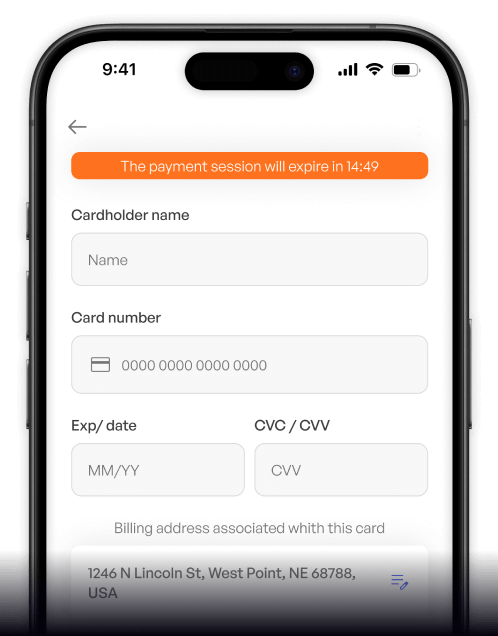
How to Buy Polkadot (DOT)
 Step-by-step guidance
 Easy credit card payments
 Streamlined purchase process
 Web
Popular Coins for Thai Baht (THB)


Other Coins for Thai Baht (THB)


Frequently asked questions
-
What is the THB/DOT trading pair and why is it significant?
The THB/DOT trading pair represents the exchange rate between the Thai Baht (THB) and Polkadot's native token (DOT). Its significance lies in providing a direct fiat on-ramp for users in Thailand to invest in the Polkadot ecosystem. This allows for the direct purchase of this digital asset, which is crucial for interacting with Polkadot's interoperable network of parachains and its Relay Chain, without first needing to convert THB to another cryptocurrency like BTC or USDT. -
What are the common payment methods to buy DOT using Thai Baht?
On regulated Thai cryptocurrency exchanges, the most common payment methods for acquiring DOT with THB are direct Thai bank transfers and QR code payments via PromptPay. These local payment systems are highly integrated, offering a fast and cost-effective fiat gateway to fund your exchange account. This allows for quick execution of trades on the THB/DOT order book, facilitating participation in activities like DOT staking or parachain crowdloans. -
What are the core functions of the DOT token within the Polkadot network?
The DOT token has three primary functions on the Polkadot network. First, it's used for on-chain governance, allowing holders to vote on protocol upgrades. Second, it facilitates network consensus through Nominated Proof-of-Stake (NPoS), where users can stake their DOT to help secure the Relay Chain and earn rewards. Third, DOT is used for 'bonding' to connect a new parachain to the network, either through a direct lease or by participating in a crowdloan. -
Are there specific regulations to consider when buying DOT with THB in Thailand?
Yes, all digital asset transactions in Thailand are overseen by the Thai Securities and Exchange Commission (SEC). When using a THB fiat on-ramp, you must trade on an exchange licensed by the Thai SEC. This requires completing a mandatory Know Your Customer (KYC/AML) verification process. These regulations are in place to ensure secure trading environments and prevent illicit activities, providing a layer of protection for investors. -
How can I securely store my DOT tokens after a THB purchase?
For maximum security, it's highly recommended to move your DOT from the cryptocurrency exchange to a personal digital wallet where you control the private keys. Wallets compatible with Polkadot's Substrate framework are ideal. Options include hardware wallets for the highest level of security, or software wallets like the official Polkadot.js browser extension. This practice protects your digital assets from exchange-related risks and allows you to directly engage with Polkadot's on-chain governance and staking features.

Buy on the go
Anywhere. Anytime.
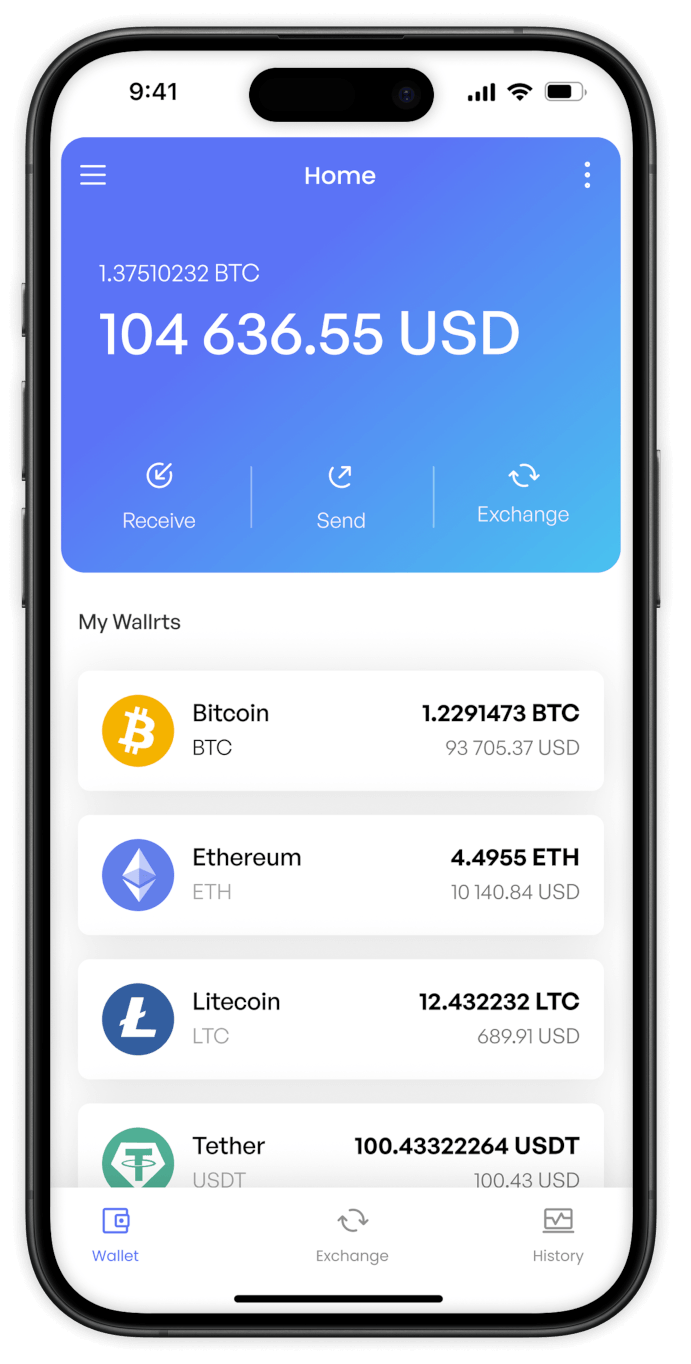
Buy crypto with your credit card from anywhere. Live rates, transparent fees, and 3D Secure on every order - the full Switchere card-buy experience in your pocket.



Scan to download the app iOS and Android