Convert
THB to ENS Instantly
Thai Baht to Ethereum Name Service (ERC20) at the real-time exchange rate


Purchase ENS (ERC20) with Thai Baht (THB) easily at Switchere and benefit from fast, secure transactions.
About
ENS (ERC20)
Tracking the ENS to THB rate is essential for users looking to bridge local Thai fiat with Web3 identities. The exchange rate for this specific pairing is influenced by the global liquidity of Ethereum Name Service tokens, the current strength of the Thai Baht, and broader market volatility. ENS itself serves as a crucial governance token for the protocol that maps human-readable names to blockchain addresses.
When utilizing a THB to ENS converter, Thai residents typically rely on localized fiat on-ramps. Popular payment methods for those looking to buy ENS with THB include PromptPay, domestic bank transfers, and credit cards, all subject to standard regional KYC and AML compliance. Once the conversion is processed, the purchased tokens are routed via the Ethereum network. Since ENS is an ERC-20 token, users must provide a compatible wallet address and anticipate standard Ethereum gas fees, which can fluctuate based on network congestion. Understanding these mechanics ensures a seamless transition from traditional THB transactions into the decentralized internet, empowering local participants to actively engage in blockchain governance and digital identity management.

How to Buy ENS (ERC20)
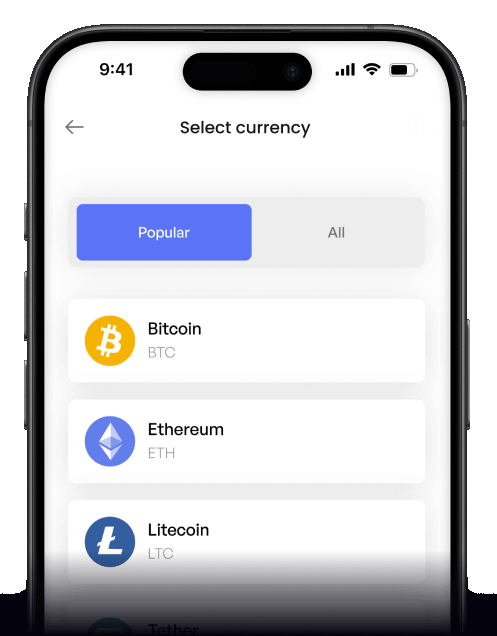
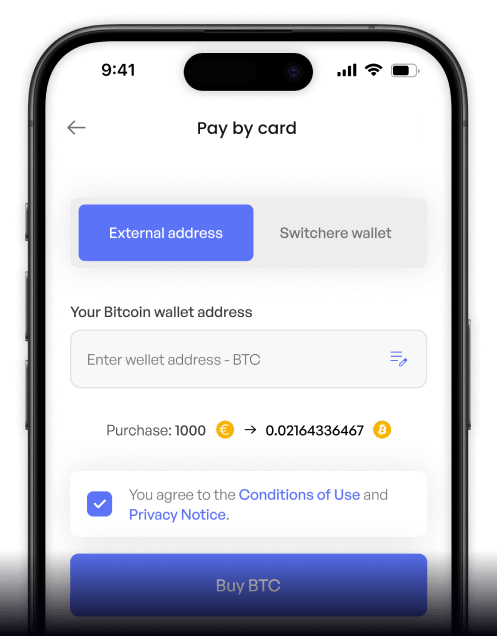
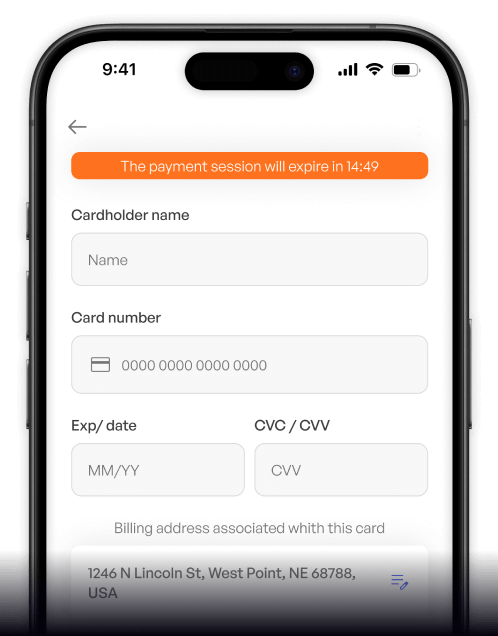
 Step-by-step guidance
 Easy credit card payments
 Streamlined purchase process
 Web
Popular Coins for Thai Baht (THB)


Other Coins for Thai Baht (THB)


Frequently asked questions
-
What exactly is the THB/ENS trading pair and how does it function on a cryptocurrency exchange?
The THB/ENS pair represents the exchange rate between the Thai Baht (THB) and the Ethereum Name Service (ENS) token. On a cryptocurrency exchange, this pair allows you to perform a direct digital asset purchase, buying ENS tokens using THB. ENS is the governance token for the ENS DAO, which oversees the decentralized naming system for Web3 usernames like '.eth' domains. Trading this pair involves using an order book where buyers and sellers meet to transact at an agreed-upon price. -
What are the common payment methods in Thailand to fund an account for a THB to ENS purchase?
To use THB as a fiat on-ramp, licensed digital asset exchanges in Thailand typically require KYC/AML compliance. Once verified, common funding methods include direct Thai bank transfers and QR code payments (like PromptPay). These methods are popular due to their speed and integration with the local banking system, facilitating a smooth transition from fiat to acquiring digital assets like the ENS governance token. -
What is the core function of the ENS token itself within the Ethereum ecosystem?
The primary utility of the ENS token is governance. Holding ENS tokens grants you voting rights in the Ethereum Name Service DAO (Decentralized Autonomous Organization). This allows you to influence the protocol's development, manage its treasury, and vote on key proposals that shape the future of decentralized identity and Web3 usernames. It is an ERC-20 token, distinct from the '.eth' domain names themselves, which are ERC-721 NFTs. -
After buying ENS with THB, what is the best practice for securing my new digital assets?
For secure trading, it's highly recommended to move your ENS tokens from the exchange to a personal digital wallet where you control the private keys. This can be a hardware wallet for maximum security or a reputable software wallet. This practice of self-custody minimizes the risk of loss from exchange-related issues. Ensure you securely back up your wallet's seed phrase and never share it. -
Are there fees other than the exchange rate when making a THB/ENS transaction?
Yes, several fees can apply. First, there are trading fees on the exchange, often structured as 'maker' or 'taker' fees. Second, your bank may charge a fee for the THB deposit via bank transfer. Third, when you withdraw your ENS tokens to an external digital wallet, you will have to pay a network fee, known as a 'gas fee' on the Ethereum blockchain. This gas fee is paid to network validators to process the blockchain transaction and varies based on network congestion.

Buy on the go
Anywhere. Anytime.
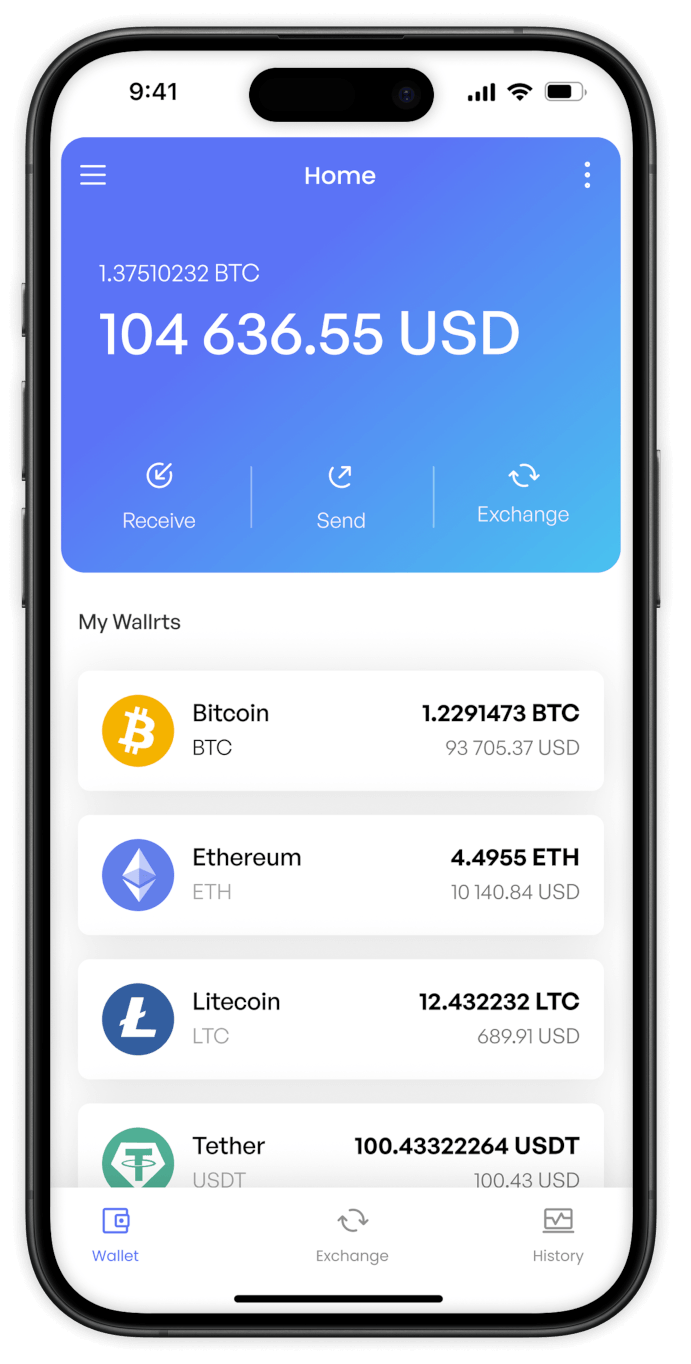
Buy crypto with your credit card from anywhere. Live rates, transparent fees, and 3D Secure on every order - the full Switchere card-buy experience in your pocket.



Scan to download the app iOS and Android