Convert
THB to RPL Instantly
Thai Baht to Rocket Pool (ERC20) at the real-time exchange rate


Purchase RPL (ERC20) with Thai Baht (THB) easily at Switchere and benefit from fast, secure transactions.
About
RPL (ERC20)
Navigating the decentralized finance landscape in Thailand often begins with a reliable THB to RPL converter. The exchange rate between the Thai Baht and Rocket Pool reflects a dynamic interplay of local fiat liquidity, global crypto market volatility, and the inherent demand for Ethereum liquid staking solutions.
When looking to buy RPL with THB, regional users typically utilize fiat on-ramps supporting PromptPay, local bank transfers, or credit cards. These transactions are subject to standard KYC/AML verification, ensuring a secure conversion environment. The RPL to THB rate is also influenced by Ethereum network congestion, as RPL operates primarily as an ERC-20 token. Consequently, gas fees and blockchain confirmation times are practical considerations when estimating the final amount received in your cryptocurrency wallet.
This specific trading pair provides Thai residents direct access to decentralized node operation and staking protocols without needing intermediate fiat currencies. By monitoring the current exchange rate, users can efficiently manage their entry into the Rocket Pool ecosystem, balancing local payment convenience with the technical realities of interacting with the Ethereum mainnet.

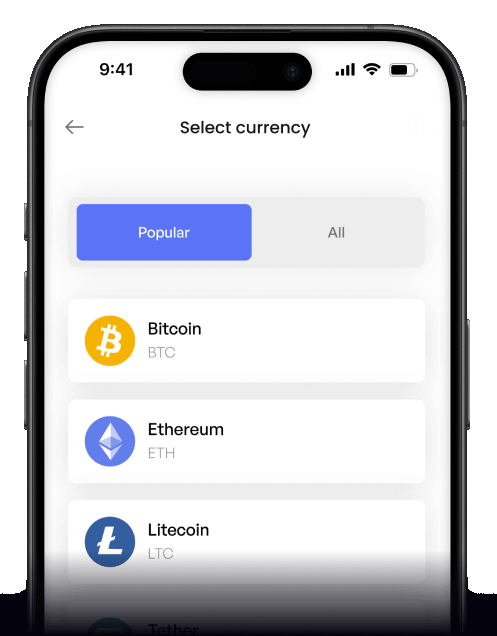
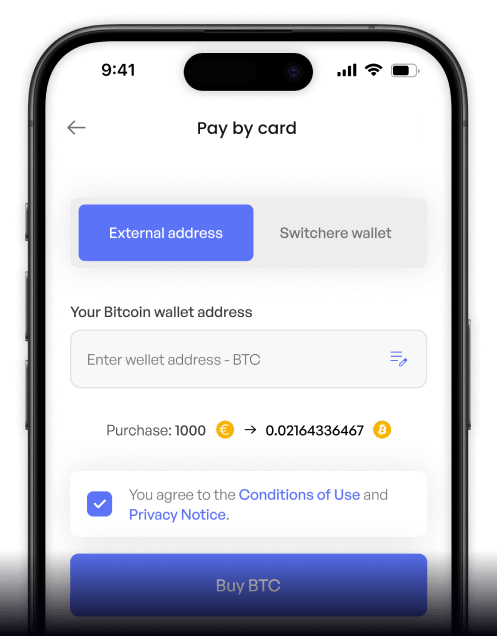
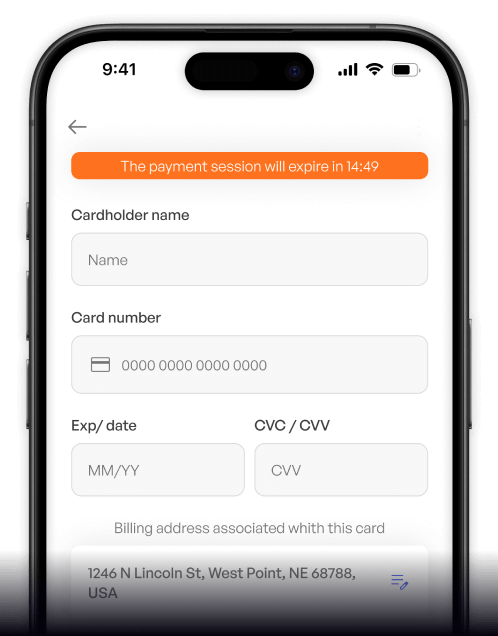
How to Buy RPL (ERC20)
 Step-by-step guidance
 Easy credit card payments
 Streamlined purchase process
 Web
Popular Coins for Thai Baht (THB)


Other Coins for Thai Baht (THB)


Frequently asked questions
-
What is the THB/RPL trading pair and what does it represent?
The THB/RPL pair represents the direct exchange rate between the Thai Baht (THB) and Rocket Pool's native token (RPL). It allows users to perform a digital asset purchase of RPL using a fiat on-ramp with Thai currency. RPL is a crucial governance and collateral token for Rocket Pool, a leading decentralized liquid staking protocol on the Ethereum blockchain, enabling permissionless staking in its minipools. -
What are the common methods for buying RPL with Thai Baht on a cryptocurrency exchange?
To buy RPL with THB, you typically need to use a regulated Thai cryptocurrency exchange that lists the THB/RPL pair. The process involves completing KYC/AML compliance, then funding your account with Thai Baht via local payment methods like a Thai bank transfer or PromptPay. Once funded, you can place an order on the THB/RPL order book to execute a secure trade for the digital asset. -
What is the core function of the RPL token within the Rocket Pool DeFi protocol?
The RPL token has two primary functions in the Rocket Pool ecosystem. First, it serves as a collateralized token that node operators must stake alongside ETH to run a minipool, acting as insurance for the protocol. Second, it functions as a governance token, allowing holders to participate in the protocol's DAO governance and vote on key parameter changes, influencing the future of this decentralized staking platform. -
After buying RPL with THB, what are the security best practices for storing it?
For optimal security, it is highly recommended to move your RPL tokens from the cryptocurrency exchange to a non-custodial digital wallet after your purchase. This gives you full control over your private keys. Hardware wallets are considered the gold standard for secure trading and long-term storage of digital assets. This practice of self-custody mitigates risks associated with exchange hacks or freezes. -
How does acquiring RPL via the THB/RPL pair differ from receiving rETH?
Acquiring RPL with THB means you are buying the protocol's governance and collateral token. In contrast, rETH is a liquid staking token that represents staked Ethereum and accrues staking rewards. You receive rETH by staking ETH in Rocket Pool, not by buying it with fiat. While both are part of the same DeFi protocol, RPL is for governance and node operation, whereas rETH represents a yield-bearing claim on Ethereum staking rewards.

Buy on the go
Anywhere. Anytime.
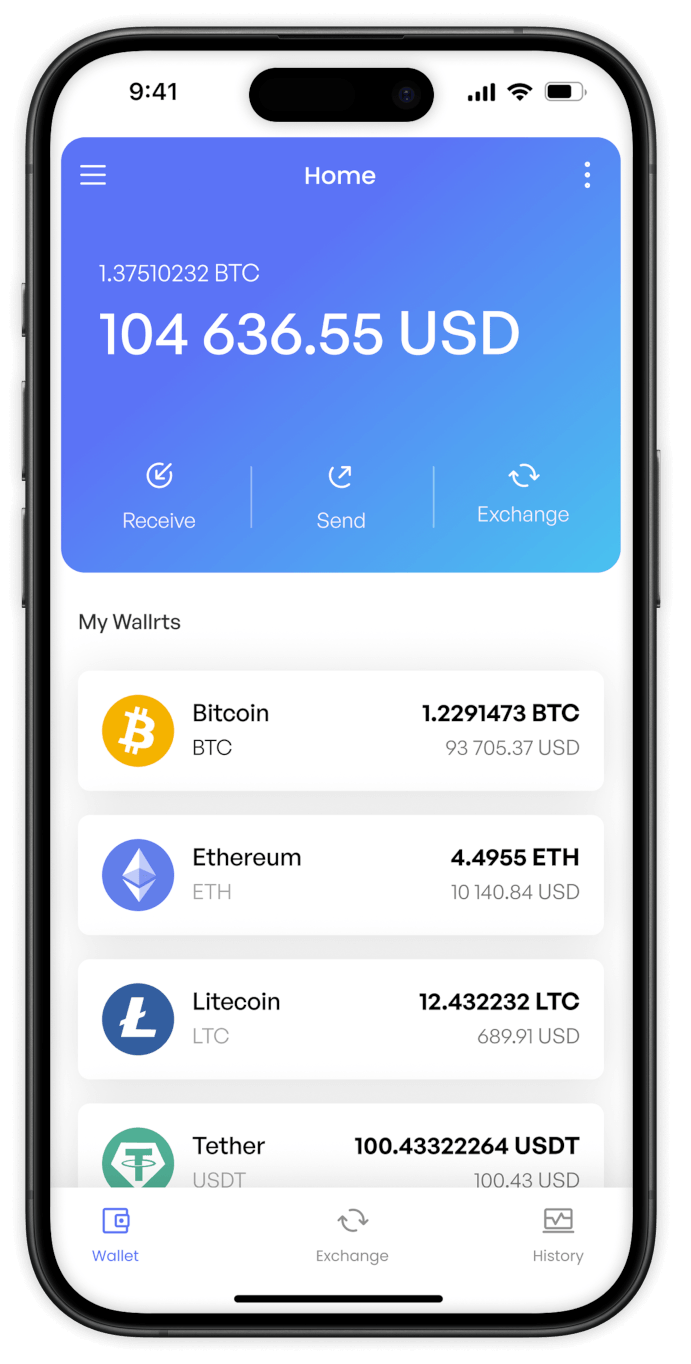
Buy crypto with your credit card from anywhere. Live rates, transparent fees, and 3D Secure on every order - the full Switchere card-buy experience in your pocket.



Scan to download the app iOS and Android