Convert
THB to NMR Instantly
Thai Baht to Numeraire (ERC20) at the real-time exchange rate


Purchase NMR (ERC20) with Thai Baht (THB) easily at Switchere and benefit from fast, secure transactions.
About
NMR (ERC20)
Evaluating the NMR to THB rate provides Thai users direct insight into the cost of participating in the Numerai data science tournament. This THB to NMR converter tracks the real-time exchange rate, which fluctuates based on global liquidity, Ethereum network dynamics, and local Thai Baht currency markets.
When looking to buy NMR with THB, a reliable fiat on-ramp is essential. Thai residents frequently utilize local payment rails like PromptPay, domestic bank transfers, or debit cards to fund their purchases. Standard KYC and AML verifications are typically required by regional exchanges to process these THB transactions securely.
Since Numeraire operates as an ERC-20 token on the Ethereum blockchain, receiving your assets involves providing a compatible wallet address. Users must account for Ethereum gas fees and network congestion, which influence both confirmation times and transaction costs. This trading pair is particularly relevant for data scientists and crypto enthusiasts in Thailand seeking seamless access to decentralized artificial intelligence ecosystems.

How to Buy NMR (ERC20)
 Step-by-step guidance
 Easy credit card payments
 Streamlined purchase process
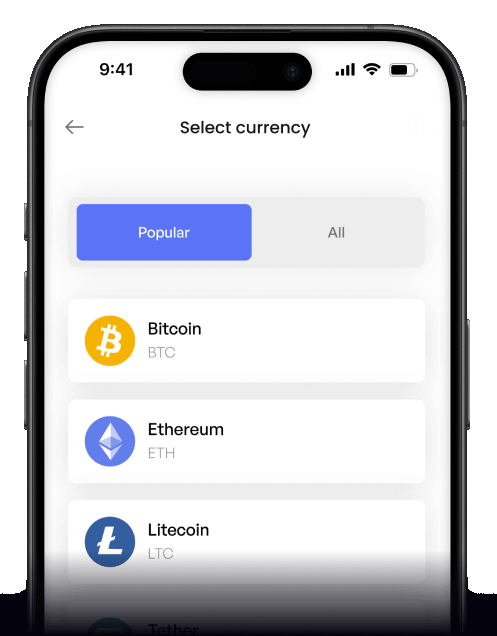
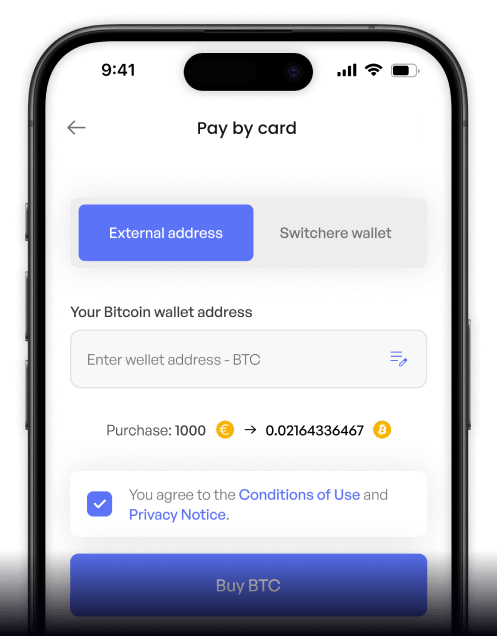
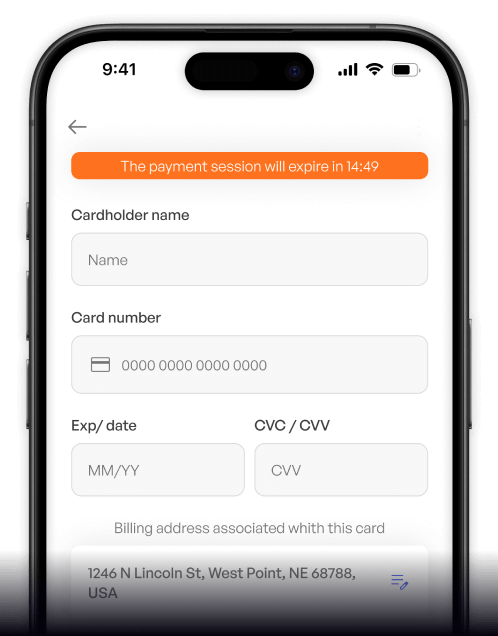
 Web
Popular Coins for Thai Baht (THB)


Other Coins for Thai Baht (THB)


Frequently asked questions
-
What is the THB/NMR trading pair and what does it represent?
The THB/NMR trading pair represents the exchange rate between the Thai Baht (THB), the fiat currency of Thailand, and Numeraire (NMR), an ERC-20 token on the Ethereum blockchain. This pair allows you to perform a fiat on-ramp, directly purchasing the NMR digital asset using THB. NMR is integral to the Numerai platform, a machine learning-based hedge fund where data scientists stake NMR tokens on their predictive models. -
What are common methods to buy NMR with Thai Baht on a cryptocurrency exchange?
To buy NMR with THB, you typically need to use a centralized cryptocurrency exchange that is regulated in Thailand and offers a direct THB/NMR trading pair or a THB on-ramp. The process usually involves creating an account, completing KYC/AML compliance, and depositing THB via methods like a local Thai bank transfer or Thai QR payment. Once your account is funded, you can place an order on the exchange's order book to purchase the NMR digital asset. -
What is the primary function of NMR tokens acquired with THB?
The primary function of Numeraire (NMR) tokens is for staking within the Numerai ecosystem. Data scientists who participate in the Numerai tournament stake their NMR on the predictive accuracy of their machine learning models. Accurate predictions are rewarded with more NMR, while inaccurate ones result in the staked tokens being burned. Therefore, purchasing NMR with THB provides direct access to participate in this unique, decentralized hedge fund protocol and its incentive mechanism. -
Are there specific security measures for storing NMR after a THB purchase?
Yes. Since NMR is an ERC-20 token, after buying it on an exchange with THB, you should transfer it to a secure, self-custody digital wallet that supports the Ethereum network. For maximum security, a hardware wallet (cold storage) is recommended as it keeps your private keys offline. For active participation in the Numerai tournament, you might use a software wallet like MetaMask, but always ensure you are interacting with the official Numerai platform to avoid phishing scams. -
What kind of fees should I expect when executing a THB to NMR transaction?
A THB to NMR transaction typically involves several potential fees. First, the cryptocurrency exchange will charge a trading fee, often a small percentage of the transaction value. Second, there may be a deposit fee for funding your account with THB via bank transfer. Third, when you withdraw your NMR to an external digital wallet, you will incur an Ethereum network fee, known as a 'gas fee' (paid in Gwei), as NMR is an ERC-20 token. This gas fee varies based on network congestion.

Buy on the go
Anywhere. Anytime.
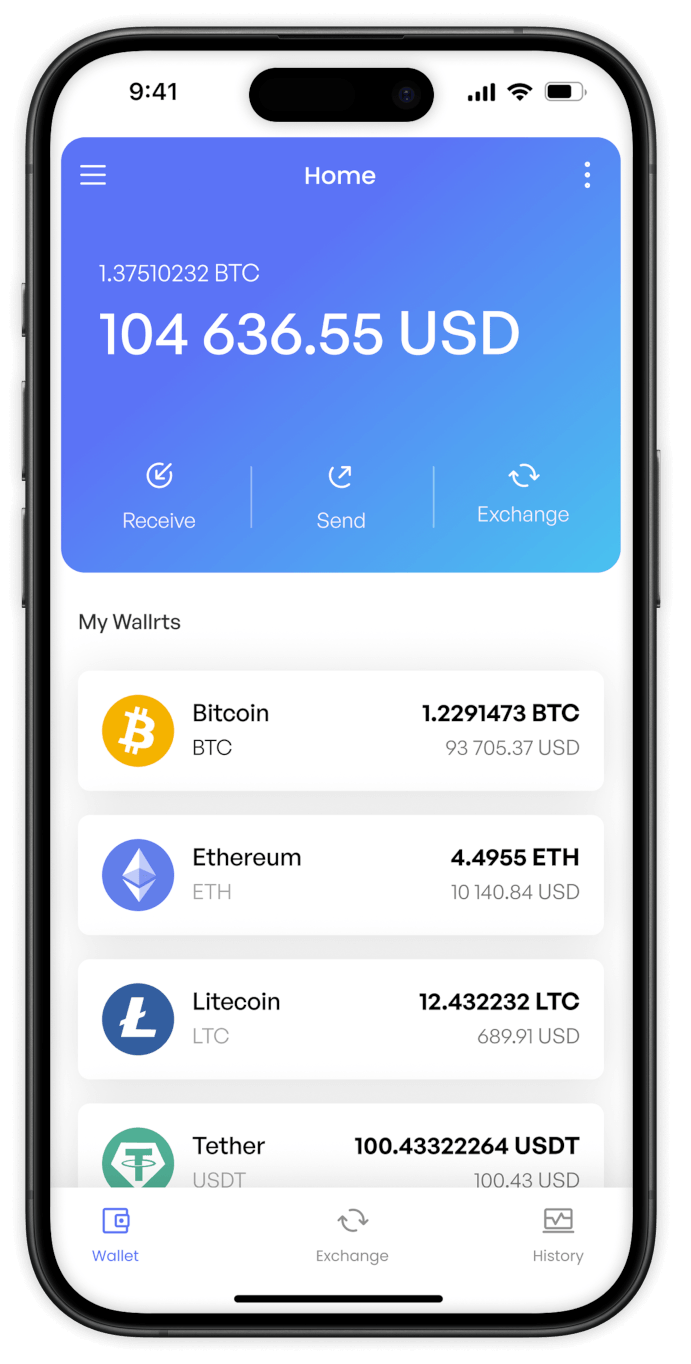
Buy crypto with your credit card from anywhere. Live rates, transparent fees, and 3D Secure on every order - the full Switchere card-buy experience in your pocket.



Scan to download the app iOS and Android