Convert
THB to QNT Instantly
Thai Baht to Quant (QNT) (ERC20) at the real-time exchange rate


Purchase QNT (ERC20) with Thai Baht (THB) easily at Switchere and benefit from fast, secure transactions.
About
QNT (ERC20)
Converting Thai Baht into Quant provides users in Thailand direct access to the Overledger ecosystem. When you use a THB to QNT converter, the exchange rate you see is influenced by QNT’s market liquidity, its inherent volatility, and the global strength of the Thai Baht. As Quant operates primarily as an ERC-20 token on the Ethereum network, the QNT to THB rate may also reflect underlying blockchain network fees required to process transactions.
To buy QNT with THB seamlessly, Thai residents typically utilize localized fiat on-ramp solutions like PromptPay, domestic bank transfers, or international credit and debit cards. Standard KYC/AML procedures are required by exchanges to facilitate these transactions securely. Once the conversion is complete, withdrawing your assets requires an Ethereum-compatible wallet address. Transaction confirmation times depend on Ethereum network congestion, meaning gas fees can vary. This trading pair is especially relevant for developers and investors in Thailand seeking interoperability solutions between traditional finance and distributed ledgers.

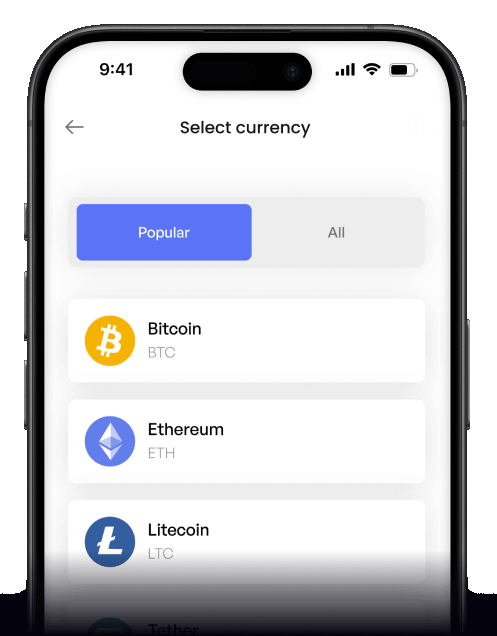
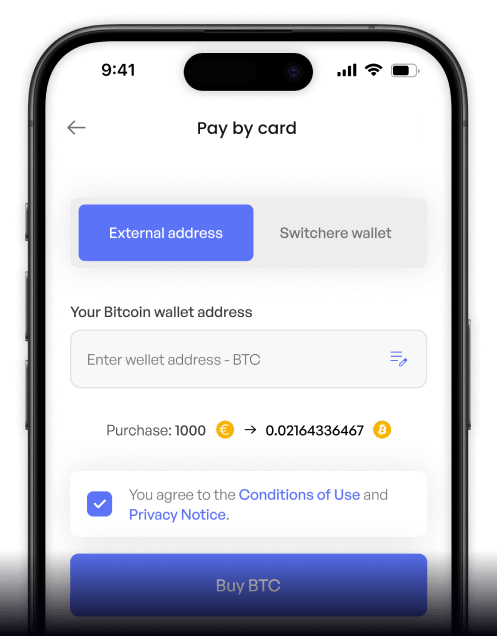
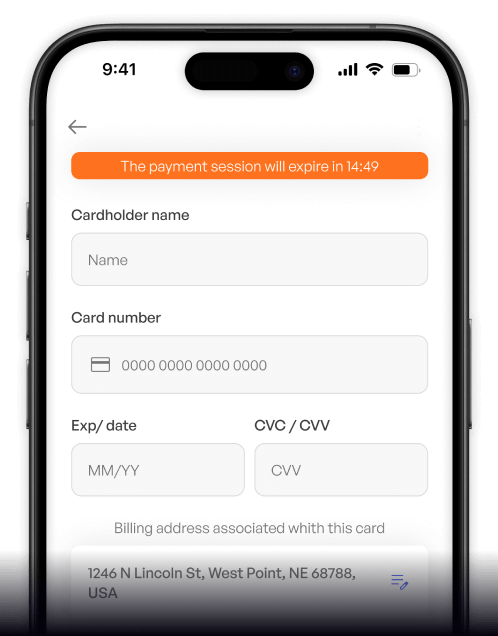
How to Buy QNT (ERC20)
 Step-by-step guidance
 Easy credit card payments
 Streamlined purchase process
 Web
Popular Coins for Thai Baht (THB)


Other Coins for Thai Baht (THB)


Frequently asked questions
-
What is the THB/QNT pair and its significance for the Thai market?
The THB/QNT pair represents the direct trading of Thai Baht for Quant tokens. Its significance lies in providing a direct fiat on-ramp for Thai investors into the Quant ecosystem. This allows for the acquisition of QNT, the utility token for Quant Network's Overledger, which is a key technology for blockchain interoperability and building multi-chain applications (mApps) for enterprise use. -
What are the typical payment methods for purchasing QNT with Thai Baht on a cryptocurrency exchange?
To buy the QNT digital asset with THB, users on Thai-regulated exchanges typically use local bank transfers or QR code payments linked to their mobile banking apps. These fiat gateways are popular due to their speed and low cost. All transactions require strict KYC/AML compliance, linking your bank account to your verified exchange account for secure trading. -
How does Quant's Overledger technology create value for QNT tokens acquired with THB?
QNT tokens, whether purchased with THB or another currency, are the key to accessing Quant's ecosystem. The value is derived from Overledger, an enterprise-grade DLT gateway that connects disparate blockchains. Developers and businesses use QNT to pay for platform usage, transaction fees, and to create mApps, thereby driving demand for the token based on the utility and adoption of its interoperability solution. -
After buying QNT with THB, what is the most secure way to store this digital asset?
The highest security practice is to move your QNT tokens from the exchange to a personal digital wallet where you control the private keys. Since QNT is an ERC-20 token, it is compatible with hardware wallets (like Ledger or Trezor) for cold storage, or secure software wallets (like MetaMask). This practice of self-custody minimizes the risk associated with centralized exchange vulnerabilities. -
What types of fees are associated with a THB to QNT blockchain transaction?
When converting THB to QNT, there are several potential fees. First, the cryptocurrency exchange will charge a trading fee (maker or taker fee) on the order. Second, depositing THB might incur a small fee from your bank. Finally, when you withdraw your QNT from the exchange to a personal wallet, you will pay a withdrawal fee, which includes the Ethereum network's 'gas fee' since QNT operates as an ERC-20 token.

Buy on the go
Anywhere. Anytime.
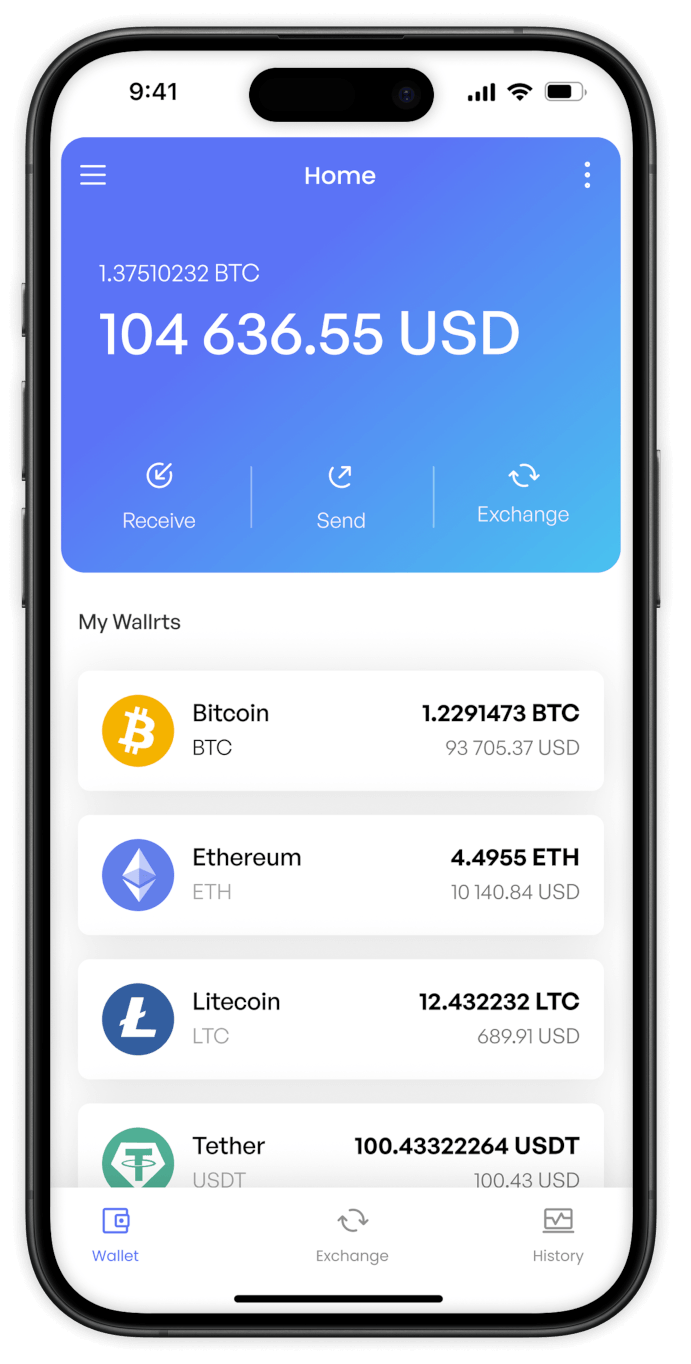
Buy crypto with your credit card from anywhere. Live rates, transparent fees, and 3D Secure on every order - the full Switchere card-buy experience in your pocket.



Scan to download the app iOS and Android