


- Startseite
- Konverter
- Thai Baht (THB) zu Convex Finance (CVX)

Konvertieren
Thai Baht (THB) zu Convex Finance (CVX) Sofort


Kaufen Sie Convex Finance (CVX) mit Thai Baht (THB) einfach bei Switchere und profitieren Sie von schnellen und sicheren Transaktionen.
Über
Convex Finance (CVX)
Convex Finance (CVX) ist ein zentrales DeFi-Protokoll auf der Ethereum-Blockchain, das speziell entwickelt wurde, um die Ertragsgenerierung für Curve Finance (CRV) Liquiditätsanbieter und CRV-Staker zu optimieren. Der Hauptzweck der Plattform besteht darin, Nutzern den Zugang zu erhöhten CRV-Belohnungen zu ermöglichen, ohne dass sie persönlich erhebliche CRV für veCRV sperren müssen. Convex erreicht dies, indem es die CRV-Einlagen seiner Nutzer aggregiert, sie in veCRV umwandelt und dieses kollektive Stimmrecht strategisch zuweist, um die CRV-Emissionen für seine integrierten Liquiditätspools zu maximieren. Dieser innovative Ansatz innerhalb seiner Smart-Contract-Architektur demokratisiert höhere DeFi-Renditen innerhalb des dezentralen Netzwerks.
Der CVX-Token ist das Herzstück des Convex Finance-Ökosystems und dient sowohl als Utility- als auch als Governance-Token. Inhaber können CVX einsetzen, um einen proportionalen Anteil an den Erträgen der Plattform zu erhalten, die aus Performance-Gebühren auf die gesteigerten CRV-Erträge generiert werden; dieser Einsatzmechanismus bietet einen direkten Anreiz. Darüber hinaus verfügen die Inhaber von CVX-Token über Governance-Rechte, die es ihnen ermöglichen, wichtige Protokollentscheidungen und Upgrades über das On-Chain-System zu beeinflussen. Die Tokenomics schaffen auch Anreize für die Liquidität von cvxCRV, einem liquiden Derivat, das CRV repräsentiert und in Convex eingezahlt wird. Als dominante Kraft in den "Curve Wars" hat sich Convex als kritische Einflussaggregator- und Renditeoptimierungsebene innerhalb der breiteren dezentralen Finanzlandschaft etabliert, die die Kapitaleffizienz verbessert und digitale Vermögensstrategien gestaltet.

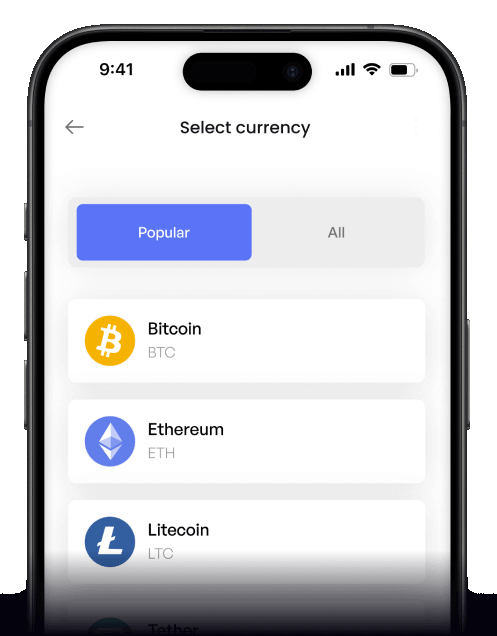
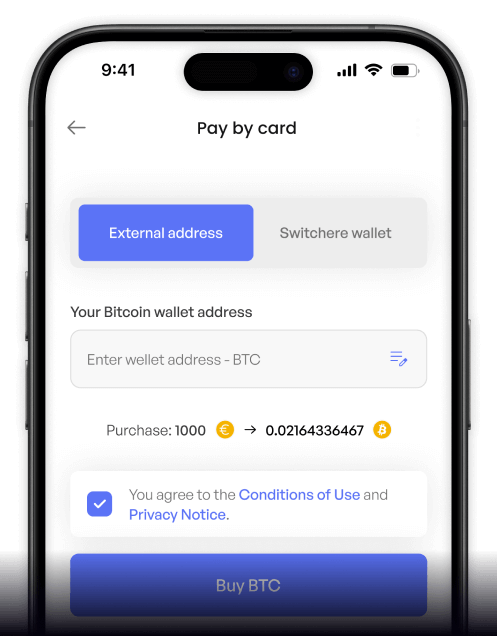
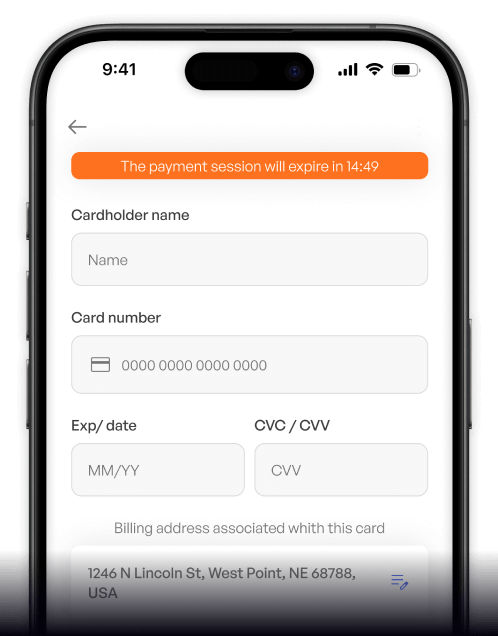
Wie man Convex Finance (CVX) kauft
 Schritt-für-Schritt-Anleitung
 Einfache Zahlungen mit Kreditkarte
 Rationalisierter Kaufprozess
 Web
Web
Beliebte Münzen für Thai Baht (THB)





Andere Münzen für Thai Baht (THB)




Häufig gestellte Fragen
-
Was ist das THB/CVX-Paar und was ist seine Hauptfunktion in DeFi?
Das THB/CVX-Paar ermöglicht den Kauf des nativen Tokens von Convex Finance (CVX) mit thailändischen Baht. Seine Hauptfunktion in DeFi besteht darin, THB-Inhabern einen Einstiegspunkt in das Convex-Ökosystem zu bieten, einen leistungsstarken Yield-Aggregator, der auf Curve Finance aufbaut. Durch den Erwerb von CVX können Benutzer erhöhte Belohnungen aus dem CRV-Staking und einen Anteil an den Plattformgebühren verdienen, ohne selbst CRV für veCRV sperren zu müssen. Dies macht es zu einem wichtigen digitalen Asset zur Optimierung der Belohnungen für Liquiditätsanbieter und zur Teilnahme an der Gauge-Weight-Abstimmung von Curve. -
Was ist der typische Prozess zur Umwandlung von Thai Baht (THB) in CVX?
Ein direktes THB/CVX-Handelspaar ist selten. Die Standardmethode ist ein zweistufiger Fiat-On-Ramp-Prozess. Zuerst kaufen Sie auf einer lokalen thailändischen Kryptowährungsbörse (wie Bitkub oder Satang Pro) einen wichtigen digitalen Vermögenswert wie Ethereum (ETH) oder USDT mittels einer thailändischen Banküberweisung oder PromptPay. Zweitens überweisen Sie diesen Vermögenswert von der Börse in eine persönliche digitale Wallet (z. B. MetaMask) und tauschen ihn dann auf einer dezentralen Börse (DEX) wie Uniswap oder Sushiswap gegen CVX ein. Dies stellt sicher, dass Sie die Selbstverwahrung Ihrer DeFi-Vermögenswerte haben. -
Welche Vorteile bietet das Halten von CVX-Token, die durch eine THB-Transaktion erworben wurden?
Das Halten von CVX ermöglicht es Ihnen, in den Kern des DeFi-Yield-Farmings einzutauchen. Zu den Hauptvorteilen gehören: 1) Ein Anteil an den Curve-Handelsgebühren. 2) Erhalt von erhöhten CRV-Belohnungen, als ob Sie eine große Menge an veCRV sperren würden. 3) Erhalt zusätzlicher CVX-Token als Anreize. 4) Teilnahme an der Governance, um die Gauge-Weight-Abstimmung zu beeinflussen, die die CRV-Emissionen auf bestimmte Liquiditätspools lenkt. Es ist eine kapitaleffiziente Möglichkeit, die Renditen aus dem Curve-Finance-Protokoll zu maximieren. -
Gibt es spezielle KYC-Anforderungen bei der Verwendung einer THB-Fiat-On-Ramp für CVX?
Ja. Jede Transaktion, die die Umwandlung von thailändischen Baht in Kryptowährung auf einer regulierten thailändischen Börse beinhaltet, erfordert die vollständige Einhaltung der Know Your Customer (KYC)- und Anti-Geldwäsche (AML)-Vorschriften. Sie müssen Ihre Identität mit von der Regierung ausgestellten Dokumenten verifizieren. Während der endgültige Tausch gegen CVX auf einer dezentralen Börse in der Regel genehmigungsfrei ist und kein KYC erfordert, unterliegt die anfängliche Fiat-On-Ramp-Phase strengen lokalen Finanzvorschriften. -
Welche Gebühren sollte ich bei der Umrechnung von THB in CVX erwarten?
Der Prozess umfasst mehrere Gebührenpunkte. Erstens kann Ihre thailändische Bank oder Ihr Zahlungsanbieter (wie PromptPay) eine Gebühr erheben. Zweitens wird die zentralisierte Börse eine Handelsgebühr für die THB-zu-Krypto-Transaktion (z. B. ETH) berechnen. Drittens zahlen Sie eine Netzwerk-Gasgebühr, um die ETH von der Börse in Ihre persönliche digitale Wallet abzuheben. Schließlich fallen beim Tausch von ETH gegen CVX auf einer DEX eine Liquiditätsanbietergebühr und eine weitere, oft erhebliche, Ethereum-Netzwerk-Gasgebühr für die Blockchain-Transaktion an.

Unterwegs kaufen
Überall. Jederzeit.
Kaufen Sie Kryptowährungen mit Ihrer Kreditkarte von überall aus. Aktuelle Kurse, transparente Gebühren und 3D Secure bei jeder Bestellung – das komplette Switchere-Erlebnis beim Kauf mit Kreditkarte immer griffbereit.



Scannen Sie den QR-Code, um die App für iOS und Android herunterzuladen

