Convert
THB to POL Instantly
Thai Baht to Polygon (Polygon) at the real-time exchange rate


Purchase POL (Polygon) with Thai Baht (THB) easily at Switchere and benefit from fast, secure transactions.
About
POL (Polygon)
The Thai Baht (THB) to Polygon (POL) pair serves as a vital fiat on-ramp for users in Thailand seeking access to one of the most prominent Ethereum scaling solutions. Understanding the THB to POL converter dynamics requires looking at local market liquidity and global cryptocurrency volatility. The exchange rate fluctuates based on POL's demand within decentralized applications and the relative strength of the Thai Baht. Polygon is designed to provide faster and cheaper transactions, making POL an essential asset for interacting with its expansive Web3 ecosystem.
To buy POL with THB, Thai residents typically utilize local banking infrastructure such as PromptPay or instant bank transfers, alongside standard debit and credit card payments. These transactions are subject to standard KYC/AML regulations established by local exchanges. Once the fiat conversion is processed, receiving POL requires a compatible wallet address on the Polygon PoS network or Ethereum mainnet, depending on the platform's setup. Due to Polygon's highly efficient architecture, network fees remain minimal and confirmation times are notably swift. Tracking the live POL to THB rate ensures optimal timing for converting your fiat currency into digital assets, unlocking immediate participation in decentralized finance and NFT markets.

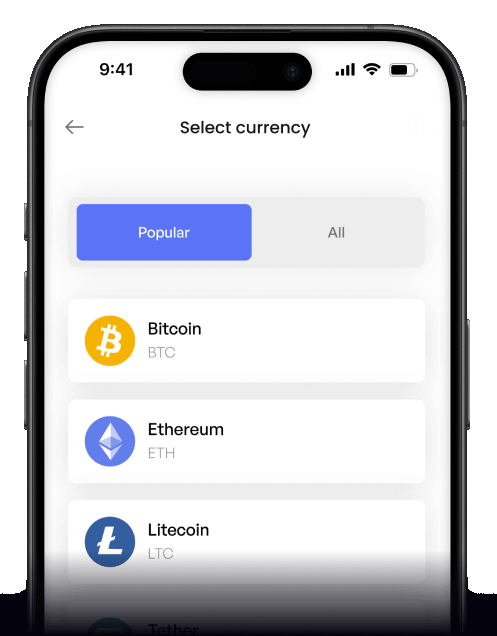
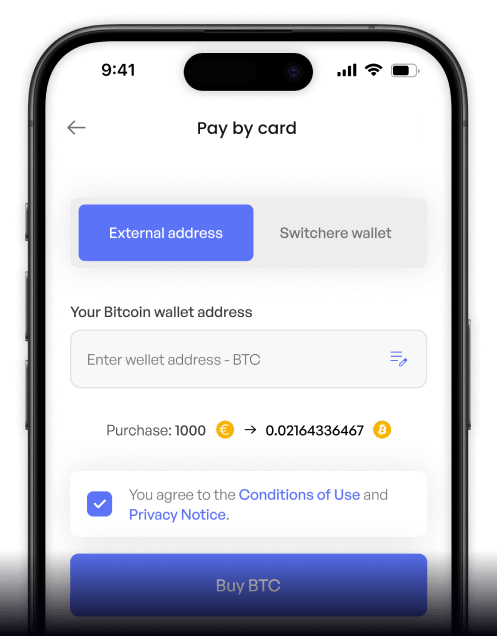
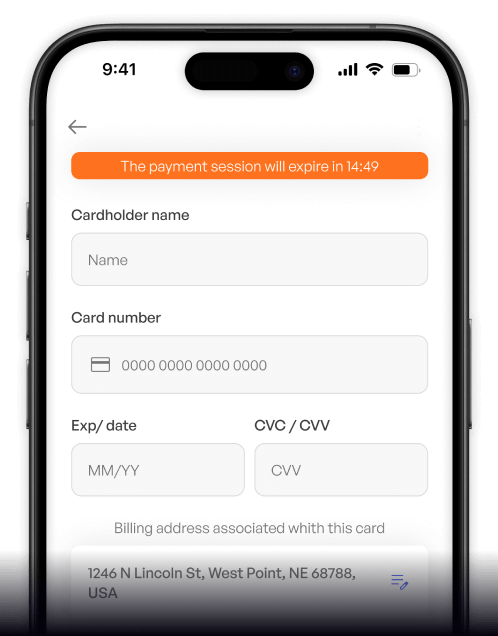
How to Buy POL (Polygon)
 Step-by-step guidance
 Easy credit card payments
 Streamlined purchase process
 Web
Popular Coins for Thai Baht (THB)


Other Coins for Thai Baht (THB)


Frequently asked questions
-
What is the primary method for buying Polygon (POL) with Thai Baht (THB)?
The most common method is using a regulated cryptocurrency exchange in Thailand that offers a THB/POL trading pair. These platforms act as a fiat on-ramp, allowing users to deposit Thai Baht directly via methods like Thai QR payment or mobile banking transfer. After completing the required KYC/AML compliance checks, you can place an order to purchase POL, the native token for Polygon's Layer 2 scaling solutions. -
What is the technical role of POL within the Polygon 2.0 ecosystem?
POL is the upgraded native token for Polygon 2.0, designed to power its multi-chain architecture. Its primary technical roles include facilitating governance, securing the network through staking, and paying for transaction fees. POL is central to Polygon's vision of creating a value layer for the internet, supporting various ZK-based Layer 2 chains and enhancing Ethereum's scalability via solutions like the Polygon zkEVM and the AggLayer (Aggregation Layer). -
Are transactions from Thai Baht to POL subject to regulatory oversight in Thailand?
Yes. Digital asset purchases using a fiat on-ramp in Thailand fall under the jurisdiction of the Thai Securities and Exchange Commission (SEC). Any licensed cryptocurrency exchange facilitating THB/POL trades must adhere to strict KYC (Know Your Customer) and AML (Anti-Money Laundering) regulations. This ensures a secure trading environment and compliance with national financial laws. -
After buying POL with THB, what's the best way to store it for staking?
For staking POL, the best practice is to transfer your digital assets from the exchange to a non-custodial digital wallet that you control, such as MetaMask or a hardware wallet. From your personal wallet, you can connect to the Polygon Staking dashboard. This allows you to delegate your POL to a validator, helping to secure the Polygon PoS network and earning staking rewards while maintaining full control over your private keys. -
What are the advantages of using the THB/POL pair for accessing DeFi on Polygon?
Using the THB/POL pair provides a direct fiat gateway for Thai users into Polygon's vibrant multi-chain ecosystem. This eliminates the need for intermediate trades (e.g., THB to BTC to POL), potentially reducing fees and slippage. Once you have POL, you can immediately engage with a wide array of dApps, liquidity pools, and yield farming opportunities on a high-speed, low-cost Layer 2 network, leveraging Polygon's enhanced scalability for Ethereum.

Buy on the go
Anywhere. Anytime.
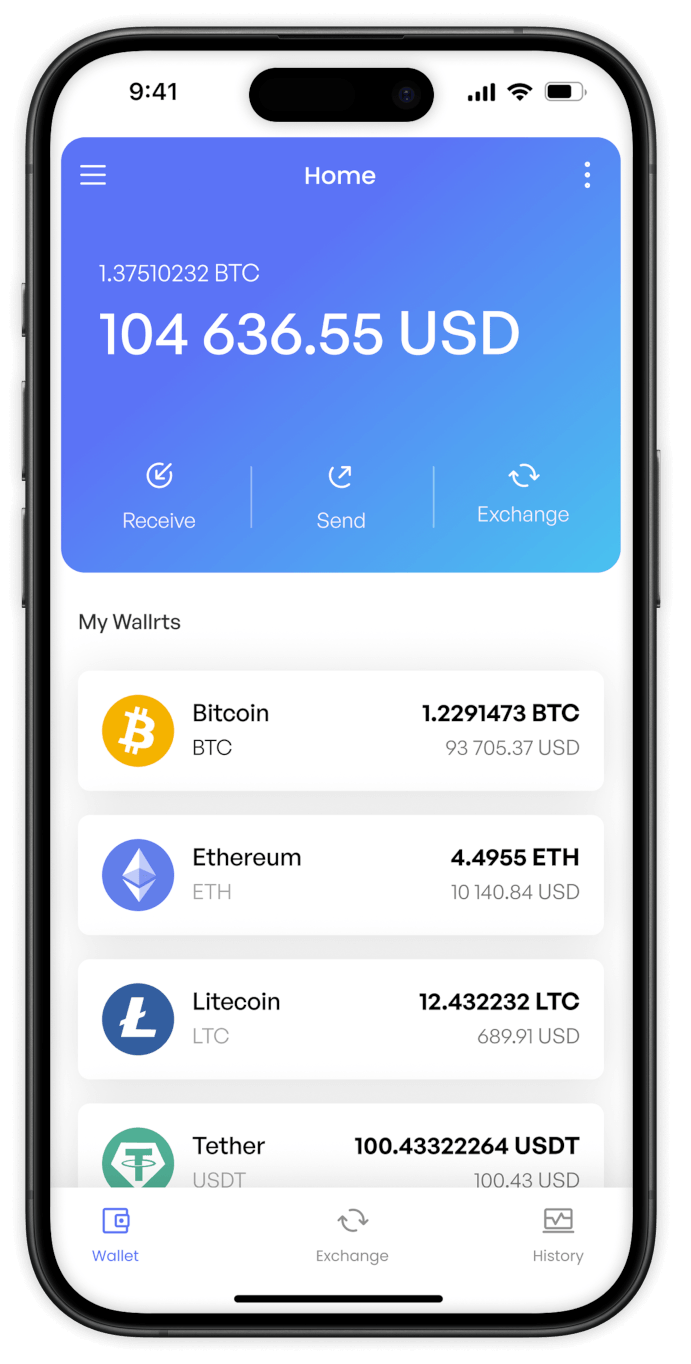
Buy crypto with your credit card from anywhere. Live rates, transparent fees, and 3D Secure on every order - the full Switchere card-buy experience in your pocket.



Scan to download the app iOS and Android