Convert
THB to PEPE Instantly
Thai Baht to Pepe (ERC20) at the real-time exchange rate


Purchase PEPE (ERC20) with Thai Baht (THB) easily at Switchere and benefit from fast, secure transactions.
About
PEPE (ERC20)
Navigating the THB to PEPE converter provides users in Thailand with a direct fiat on-ramp into one of the most prominent meme coin ecosystems. The PEPE to THB rate is primarily driven by the high volatility inherent to meme tokens and the current liquidity of the Thai Baht against major crypto assets. When you buy PEPE with THB, the exchange rate reflects real-time global market demand combined with local liquidity pools.
For Thai residents, executing this conversion typically involves regional payment systems like PromptPay, mobile banking, or domestic wire transfers, alongside standard debit and credit card options. Due to local regulations, utilizing these fiat channels requires standard KYC and AML verification. Once the THB clears, receiving your tokens requires a compatible Web3 wallet supporting the ERC-20 token standard, as Pepe operates on the Ethereum blockchain. Users should account for network congestion, as Ethereum gas fees can impact the final amount of PEPE received, especially during peak trading hours. This conversion pair is essential for Thai traders seeking quick exposure to Ethereum-based meme assets.

How to Buy PEPE (ERC20)
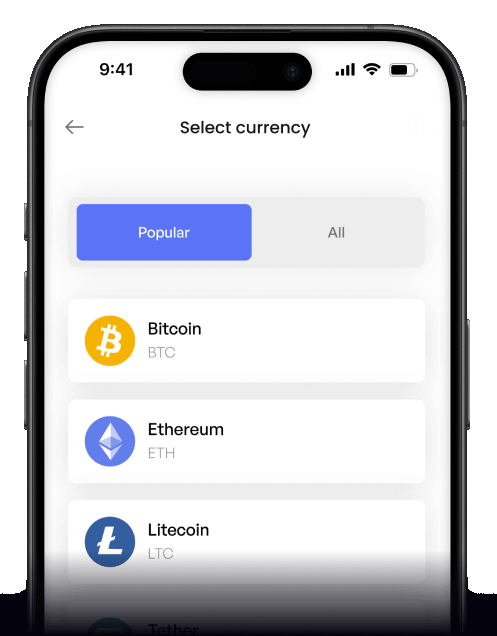
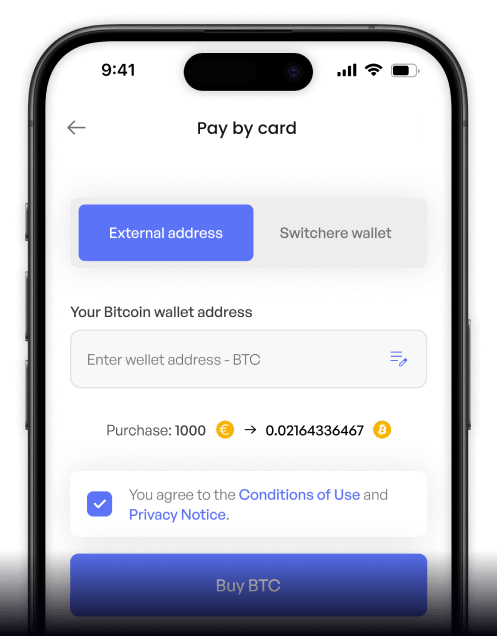
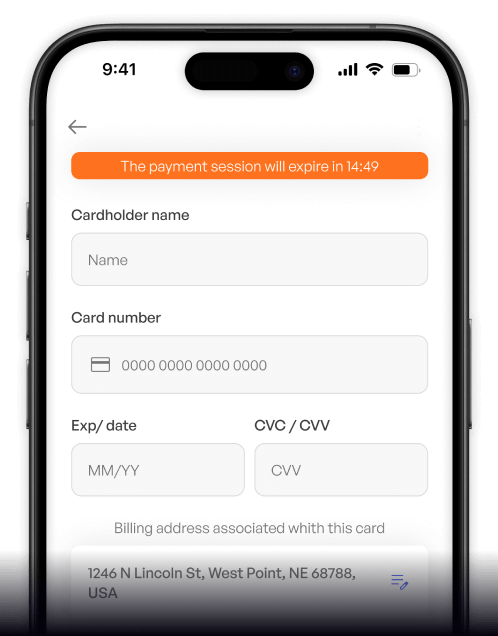
 Step-by-step guidance
 Easy credit card payments
 Streamlined purchase process
 Web
Popular Coins for Thai Baht (THB)


Other Coins for Thai Baht (THB)


Frequently asked questions
-
What is the most efficient way to convert Thai Baht (THB) to Pepe (PEPE) using a fiat on-ramp?
Converting THB to PEPE typically involves using a cryptocurrency exchange regulated by the SEC Thailand as a fiat gateway. You can deposit Thai Baht via local payment methods like PromptPay or direct Thai bank transfers. Since PEPE is an ERC-20 token on the Ethereum blockchain, you may need to buy a base digital asset like USDT or ETH first, then swap it for PEPE utilizing the platform's order book or a decentralized exchange (DEX) liquidity pool. -
Are there specific KYC/AML compliance requirements when buying PEPE with THB?
Yes, to ensure secure trading and regulatory compliance, any centralized exchange operating within Thailand requires strict Know Your Customer (KYC) and Anti-Money Laundering (AML) verification before you can execute a digital asset purchase. This process mandates submitting a national ID or passport and completing facial recognition before you can deposit THB and access the THB/PEPE trading pair or related crypto markets. -
What should I know about PEPE's tokenomics before initiating a THB transaction?
Before utilizing a fiat on-ramp to acquire PEPE, it is crucial to understand its meme coin nature and tokenomics. PEPE operates as an ERC-20 token featuring a deflationary mechanism, which includes a burn mechanism designed to reduce the total supply over time. Additionally, it features a redistribution system that rewards long-term stakers. Understanding these smart contract functionalities helps in evaluating the asset's utility within the broader decentralized finance (DeFi) ecosystem. -
Which digital wallets are best suited for storing PEPE after purchasing it with Thai Baht?
After executing your THB to PEPE trade, it is a security best practice to move your tokens off the centralized exchange into a self-custodial digital wallet. Because PEPE relies on the Ethereum network, any ERC-20 compatible wallet, such as MetaMask, Trust Wallet, or a hardware wallet like Ledger, is ideal. These wallets allow you to securely manage your private keys and interact seamlessly with Web3 decentralized applications (dApps). -
What are the typical transaction fees when using a Thai bank transfer to buy PEPE?
The fee structure for buying PEPE with THB involves multiple layers. First, depositing fiat via PromptPay or Thai bank transfer is often free or incurs a minimal flat fee on local exchanges. Next, the exchange charges a maker/taker trading fee for the order book execution. Finally, if you transfer your PEPE to a private digital wallet, you must pay Ethereum network gas fees (Gwei), which fluctuate based on blockchain network congestion.

Buy on the go
Anywhere. Anytime.
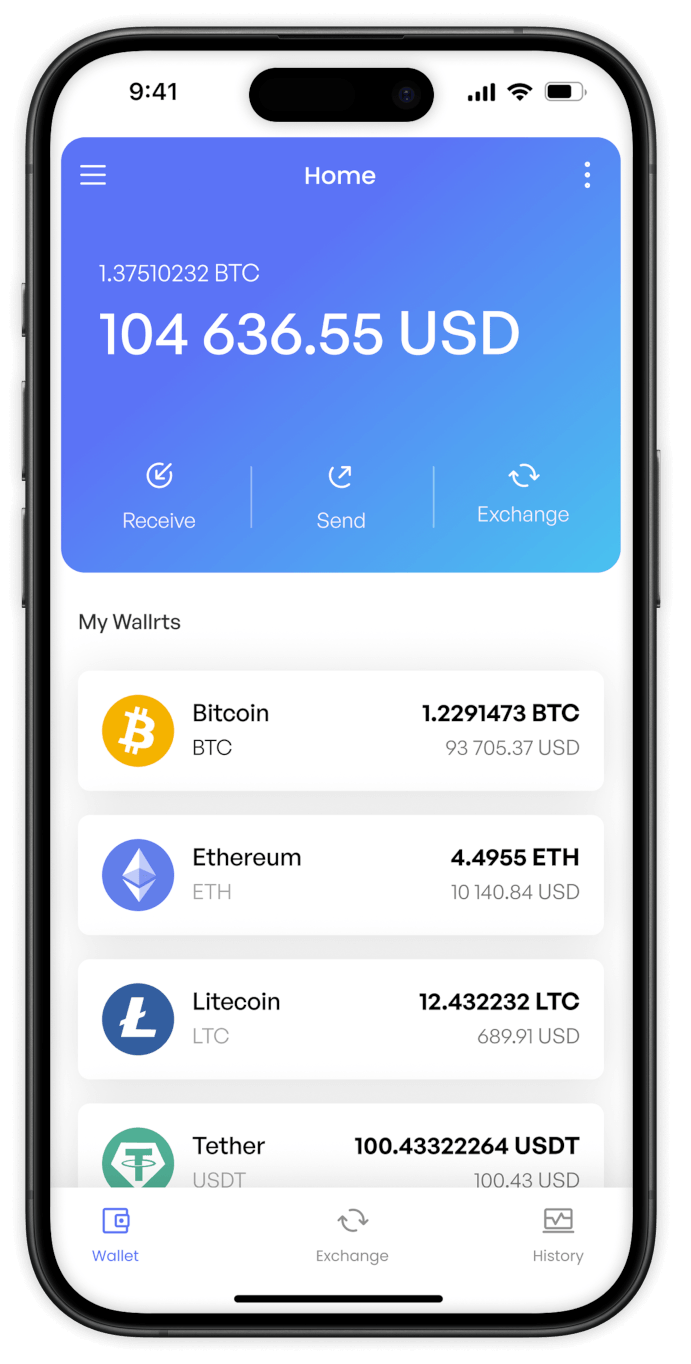
Buy crypto with your credit card from anywhere. Live rates, transparent fees, and 3D Secure on every order - the full Switchere card-buy experience in your pocket.



Scan to download the app iOS and Android