Convert
THB to ONT Instantly
Thai Baht to Ontology at the real-time exchange rate


Purchase Ontology (ONT) with Thai Baht (THB) easily at Switchere and benefit from fast, secure transactions.
About
Ontology (ONT)
For users operating within the Thai digital economy, a reliable THB to ONT converter is essential for navigating the transition between local fiat and decentralized identity solutions. The ONT to THB rate constantly shifts based on global cryptocurrency market liquidity, Ontology network activity, and the domestic exchange rate of the Thai Baht.
When you buy ONT with THB through a fiat on-ramp, local payment methods like PromptPay, mobile banking, and domestic bank transfers offer highly efficient funding options. Regulatory compliance is a standard procedure, meaning routine KYC and AML checks are typically required before executing fiat-to-crypto transactions. Upon successful conversion, receiving your tokens requires a compatible wallet address that supports the Ontology mainnet. While the Ontology network is known for fast confirmation times and low transaction fees, users should still account for minor network costs when calculating their final amount.
Ultimately, this specific fiat-crypto pair empowers Thai residents and local innovators to seamlessly access enterprise-grade blockchain applications, facilitating smooth cross-border value exchange without relying entirely on traditional financial intermediaries.

How to Buy Ontology (ONT)
 Step-by-step guidance
 Easy credit card payments
 Streamlined purchase process
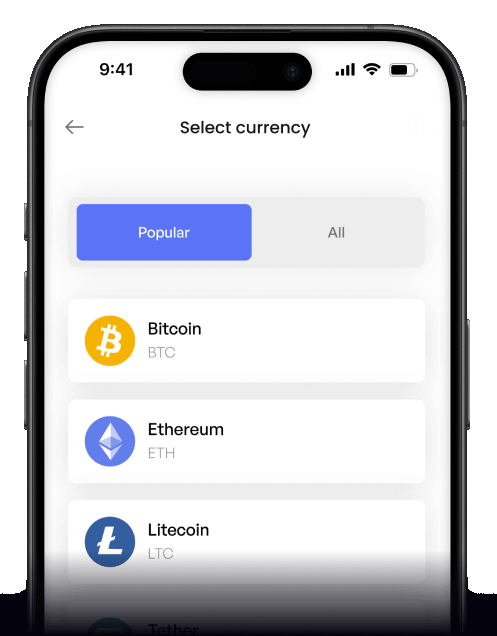
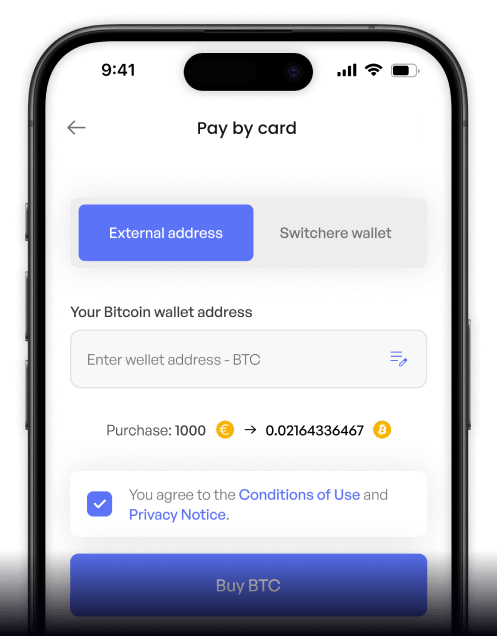
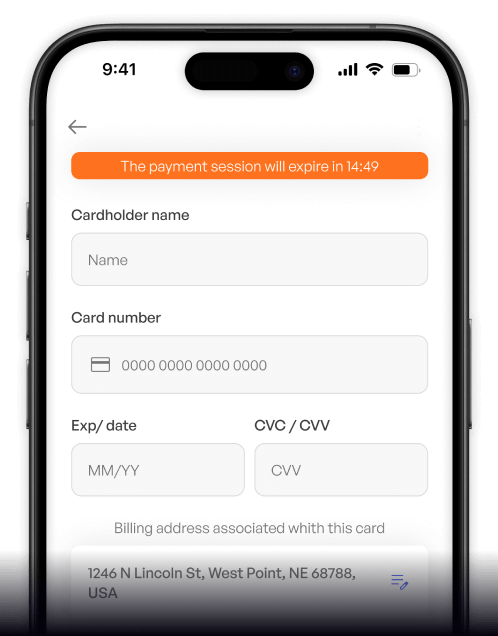
 Web
Popular Coins for Thai Baht (THB)


Other Coins for Thai Baht (THB)


Frequently asked questions
-
What are the common methods to buy Ontology (ONT) with Thai Baht (THB)?
To purchase Ontology (ONT) with Thai Baht, you typically use a regulated cryptocurrency exchange in Thailand that offers a THB/ONT trading pair. The process involves completing KYC/AML compliance, depositing THB via a local bank transfer or Thai QR Payment, and then executing a buy order on the exchange's order book. This direct fiat on-ramp is the most efficient way to acquire this digital asset. -
What is the technical role of the ONT and ONG dual-token model in the Ontology network?
Ontology utilizes a dual-token system. ONT is the primary staking token used for governance and securing the network through its VBFT consensus mechanism. Staking ONT generates ONG (Ontology Gas), which is the utility token used to pay for all blockchain transaction fees, such as deploying smart contracts or using network resources. When you hold ONT, you passively generate ONG, which is crucial for interacting with the ecosystem. -
How does Ontology's focus on Decentralized Identity (DID) add value to the ONT digital asset?
Ontology's core mission is to provide tools for data sovereignty and trustless collaboration, centered around its Decentralized Identity framework, ONT ID. The ONT token is integral to this system. It is used to anchor identities on the blockchain and is linked to OScore, a decentralized credit-scoring system. This makes ONT a crucial component for Web3 applications that require reliable, user-controlled digital identity, thereby driving its utility and fundamental value. -
What are the advantages of using a direct THB to ONT trading pair versus converting through another crypto?
Using a direct THB/ONT pair on a cryptocurrency exchange offers several key benefits. It simplifies the transaction process, reduces costs by avoiding double trading fees (e.g., THB to USDT, then USDT to ONT), and minimizes price slippage from multiple conversions. Furthermore, transacting on a locally regulated platform provides clearer compliance with Thai SEC regulations, enhancing security for your digital asset purchase. -
What security measures should be taken when trading THB for ONT and storing the asset?
When conducting a THB to ONT blockchain transaction, always use a reputable exchange with strong security protocols. Enable two-factor authentication (2FA) on your account. For storing your ONT long-term, it is highly recommended to withdraw it from the exchange to a personal digital wallet where you control the private keys. This practice of self-custody significantly reduces the risk of loss from exchange-related security breaches.

Buy on the go
Anywhere. Anytime.
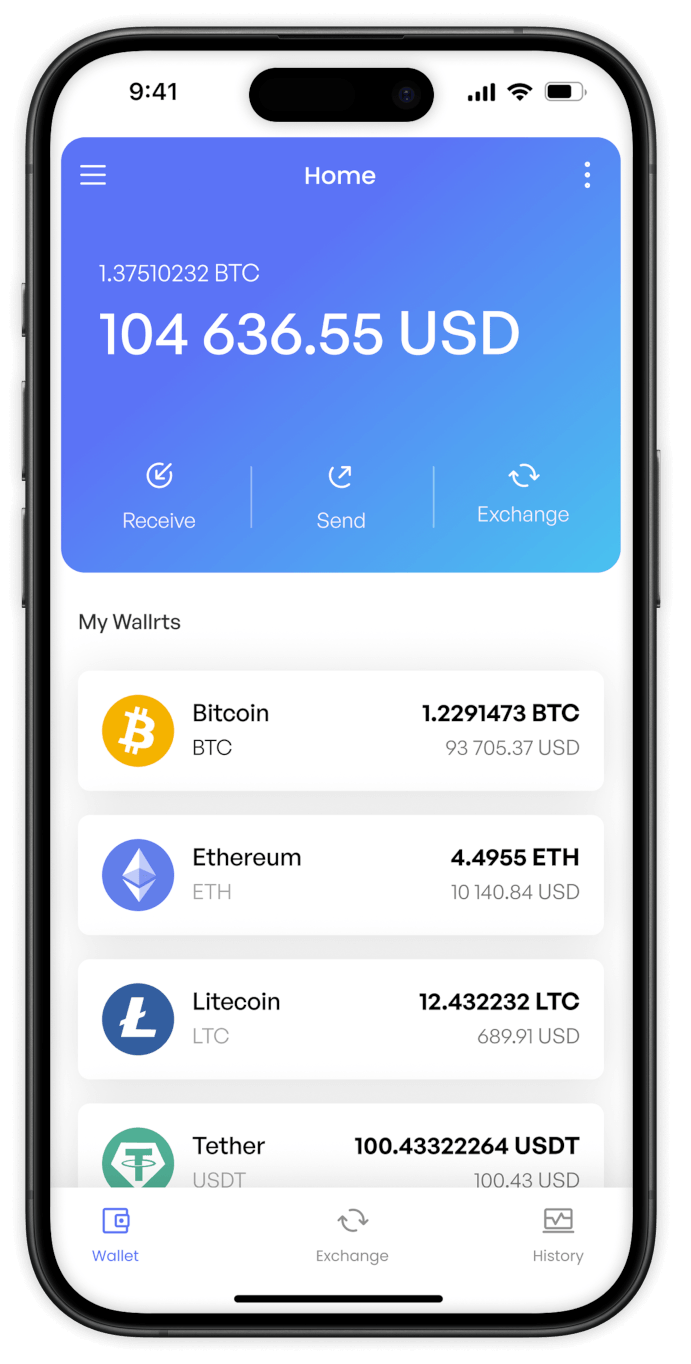
Buy crypto with your credit card from anywhere. Live rates, transparent fees, and 3D Secure on every order - the full Switchere card-buy experience in your pocket.



Scan to download the app iOS and Android