Convert
THB to KNC Instantly
Thai Baht to Kyber Network (ERC20) at the real-time exchange rate


Purchase KNC (ERC20) with Thai Baht (THB) easily at Switchere and benefit from fast, secure transactions.
About
KNC (ERC20)
Using a THB to KNC converter provides users with real-time insights into how the Thai Baht performs against Kyber Network Crystal. The KNC to THB rate fluctuates continuously, influenced by Ethereum blockchain liquidity, decentralized finance market volatility, and local Thai fiat exchange dynamics. When utilizing a fiat on-ramp to buy KNC with THB, buyers must account for prevailing market conditions and ERC-20 network gas fees.
For residents in Thailand aiming to enter the DeFi ecosystem, exchanging THB for KNC often involves local banking infrastructure. Payment methods such as PromptPay, direct Thai bank transfers, or credit cards are standard. Engaging with these fiat gateways requires standard KYC/AML compliance to ensure secure transactions.
Upon completing the exchange, users must provide a compatible ERC-20 wallet address to receive their tokens. Because Kyber Network operates primarily on Ethereum, confirmation times and transaction costs depend directly on current mainnet congestion. Monitoring the precise exchange rate ensures that Thai investors can efficiently transition their local fiat into KNC, gaining immediate governance and utility access within the Kyber decentralized exchange protocol.

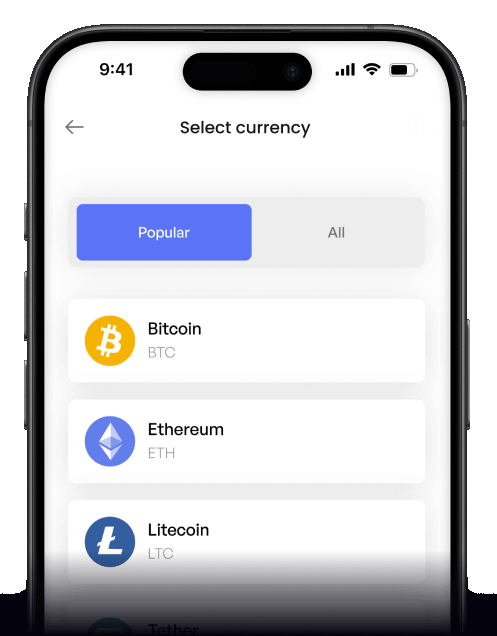
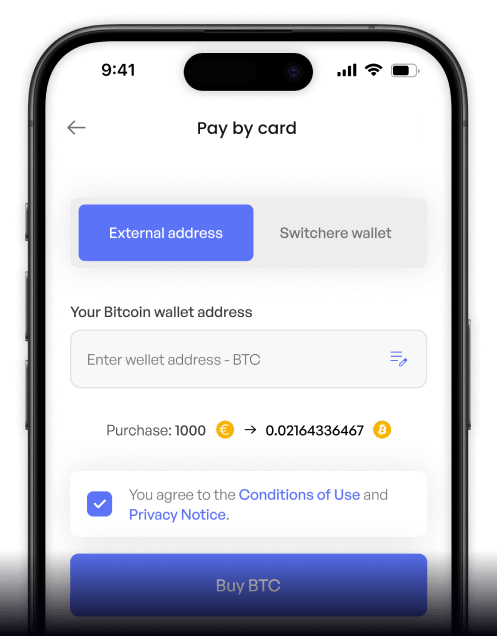
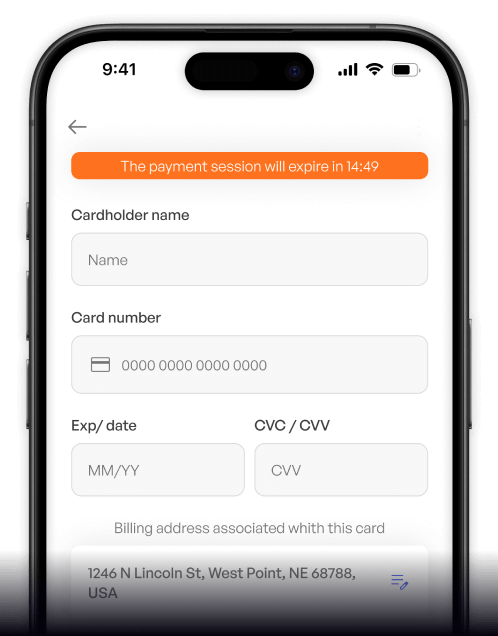
How to Buy KNC (ERC20)
 Step-by-step guidance
 Easy credit card payments
 Streamlined purchase process
 Web
Popular Coins for Thai Baht (THB)


Other Coins for Thai Baht (THB)


Frequently asked questions
-
What are the common methods for buying Kyber Network (KNC) with Thai Baht (THB)?
To buy Kyber Network (KNC) with Thai Baht, the most direct fiat on-ramp is through a local cryptocurrency exchange regulated by the Thai SEC. These platforms typically support direct bank transfers, PromptPay, or Thai QR payments, allowing for a seamless digital asset purchase. After completing KYC/AML verification, you can deposit THB into your exchange account and place an order for KNC on the THB/KNC order book. -
What is the primary function of the Kyber Network (KNC) token in the DeFi ecosystem?
The KNC token is central to the Kyber Network, a multi-chain liquidity protocol. Its primary function is governance via the KyberDAO, where KNC holders can stake their tokens to vote on protocol upgrades and parameter changes. This mechanism ensures decentralized control. Furthermore, the protocol, featuring the KyberSwap DEX aggregator and its Dynamic Market Maker (DMM), aims to provide deep on-chain liquidity and optimal swap rates, making KNC a key governance asset for a vital piece of DeFi infrastructure. -
What are the typical fees when performing a THB to KNC transaction?
A THB to KNC transaction involves several potential fees. First, the cryptocurrency exchange will charge a trading fee, often a small percentage of the transaction value. Second, there might be a deposit fee for funding your account with THB, although many Thai platforms offer free deposits via PromptPay. Finally, if you withdraw your KNC tokens (which are primarily ERC-20) to a self-custody digital wallet, you will have to pay a network fee (gas fee) for the blockchain transaction, which varies based on network congestion. -
Is KYC verification required to trade the THB/KNC pair on Thai exchanges?
Yes, comprehensive KYC (Know Your Customer) and AML (Anti-Money Laundering) verification is mandatory on all cryptocurrency exchanges that are licensed and regulated by the Thai Securities and Exchange Commission (SEC). To use a THB fiat on-ramp to purchase KNC, you will need to provide official identification documents. This compliance ensures a secure trading environment and helps prevent illicit activities. -
How does KyberSwap's Dynamic Market Maker (DMM) improve capital efficiency for KNC liquidity providers?
KyberSwap's Dynamic Market Maker (DMM) enhances capital efficiency by allowing liquidity providers to set specific price ranges for their assets, concentrating liquidity where most trading occurs. Unlike standard AMMs, the DMM also includes programmable pricing curves and dynamic fees that adjust based on market volatility. This results in significantly lower slippage for traders and potentially higher returns and reduced impermanent loss for liquidity providers in the Kyber Network ecosystem.

Buy on the go
Anywhere. Anytime.
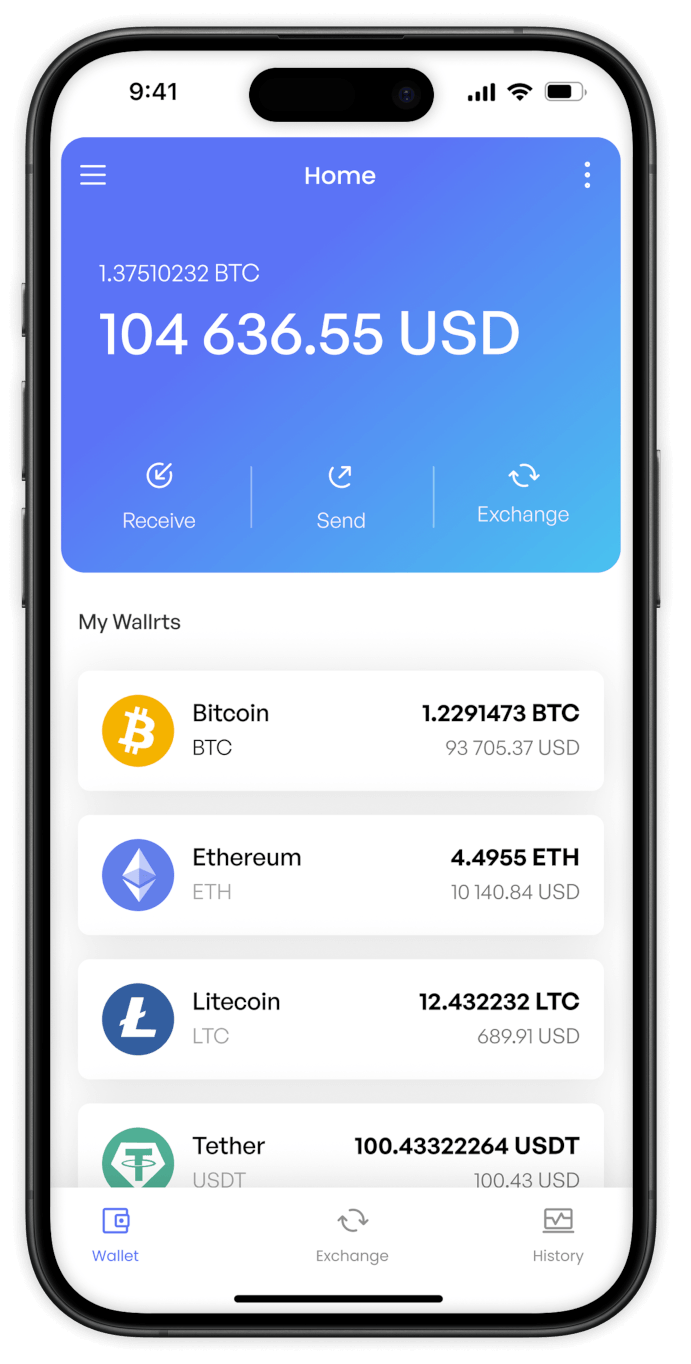
Buy crypto with your credit card from anywhere. Live rates, transparent fees, and 3D Secure on every order - the full Switchere card-buy experience in your pocket.



Scan to download the app iOS and Android