Convert
THB to CELO Instantly
Thai Baht to Celo at the real-time exchange rate


Purchase Celo (CELO) with Thai Baht (THB) easily at Switchere and benefit from fast, secure transactions.
About
Celo (CELO)
The THB to CELO converter tracks the dynamic exchange rate between the Thai Baht and the Celo network's native asset. This CELO to THB rate fluctuates based on global cryptocurrency market liquidity, Celo's ecosystem demand, and the broader foreign exchange movements of the Baht. For residents in Thailand looking for a reliable fiat on-ramp, understanding these variables is crucial before you buy CELO with THB. Celo is a mobile-first blockchain optimized for fast, accessible global payments, making it a compelling asset for smartphone users in Southeast Asia.
Converting Baht to Celo typically involves local banking methods like PromptPay, alongside standard debit or credit card payments. Before accessing this liquidity, centralized exchanges will require standard KYC/AML verification. Once purchased, you must provide a valid Celo-compatible wallet address to receive your tokens. Because Celo operates on its own EVM-compatible blockchain, transactions are settled with near-instant confirmation times and extremely low network fees compared to other networks. Whether you are interacting with mobile DeFi applications or sending cross-border payments, this converter ensures you have the accurate data needed to navigate the THB/CELO gateway seamlessly.

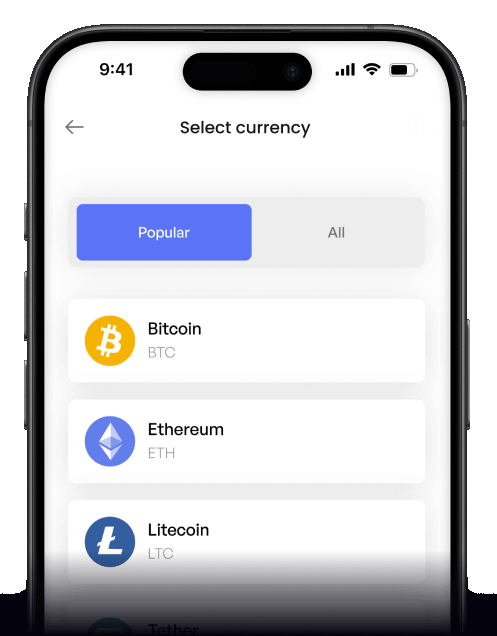
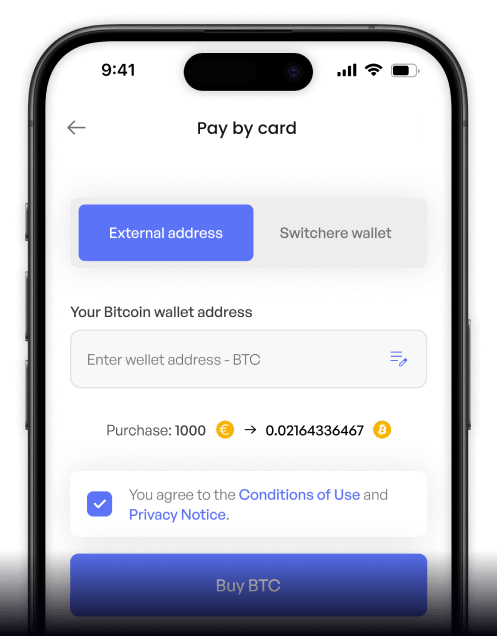
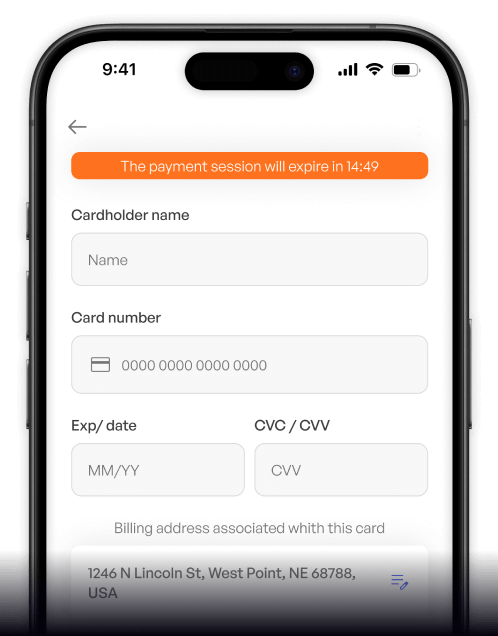
How to Buy Celo (CELO)
 Step-by-step guidance
 Easy credit card payments
 Streamlined purchase process
 Web
Popular Coins for Thai Baht (THB)


Other Coins for Thai Baht (THB)


Frequently asked questions
-
What does the THB/CELO trading pair represent in the digital asset market?
The THB/CELO pair represents the exchange rate between the Thai Baht (THB), a fiat currency, and CELO, the native utility and governance token of the Celo network. Celo is a mobile-first, carbon-negative blockchain designed for real-world payments and financial inclusion. Trading this pair allows you to use THB to directly acquire a stake in Celo's Proof-of-Stake ecosystem. -
What are the common methods to buy CELO using Thai Baht (THB)?
To buy CELO with THB, the most direct fiat on-ramp is through a centralized cryptocurrency exchange regulated by the Thai SEC. These platforms require KYC/AML compliance. Common payment methods include Thai QR code payments (PromptPay) and direct mobile banking transfers, offering fast and low-cost funding to your trading account before executing a buy order on the THB/CELO order book. -
How does Celo's mobile-first design benefit users transacting with THB?
Celo's key innovation is its ability to map wallet addresses to phone numbers through a decentralized protocol called ODIS. For a mobile-centric market like Thailand, this simplifies peer-to-peer transactions, making sending digital assets as easy as sending a text. This feature, combined with low transaction fees payable in stablecoins like cUSD, makes it ideal for remittances and daily commerce, bridging the gap between the traditional THB banking system and blockchain utility. -
What are the typical fees when converting THB to CELO on an exchange?
When converting THB to CELO, you'll encounter two main types of fees. First, a deposit fee for your THB, which is often very low or zero for Thai QR or mobile bank transfers. Second, a trading fee, which is a small percentage (e.g., 0.1% - 0.25%) of the total trade value, charged by the cryptocurrency exchange for matching your buy order. Finally, when withdrawing your CELO to a private digital wallet, a network withdrawal fee applies, which is determined by the Celo blockchain's current gas price. -
Once I buy CELO with THB, how can I securely store my digital asset?
For secure storage of your CELO, it is highly recommended to transfer it from the exchange to a self-custody digital wallet where you control the private keys. For the Celo ecosystem, the native Valora wallet is a popular mobile option. For maximum security and long-term holding, consider a hardware wallet (cold storage) like a Ledger or Trezor. This practice protects your assets from exchange-related counterparty risks.

Buy on the go
Anywhere. Anytime.
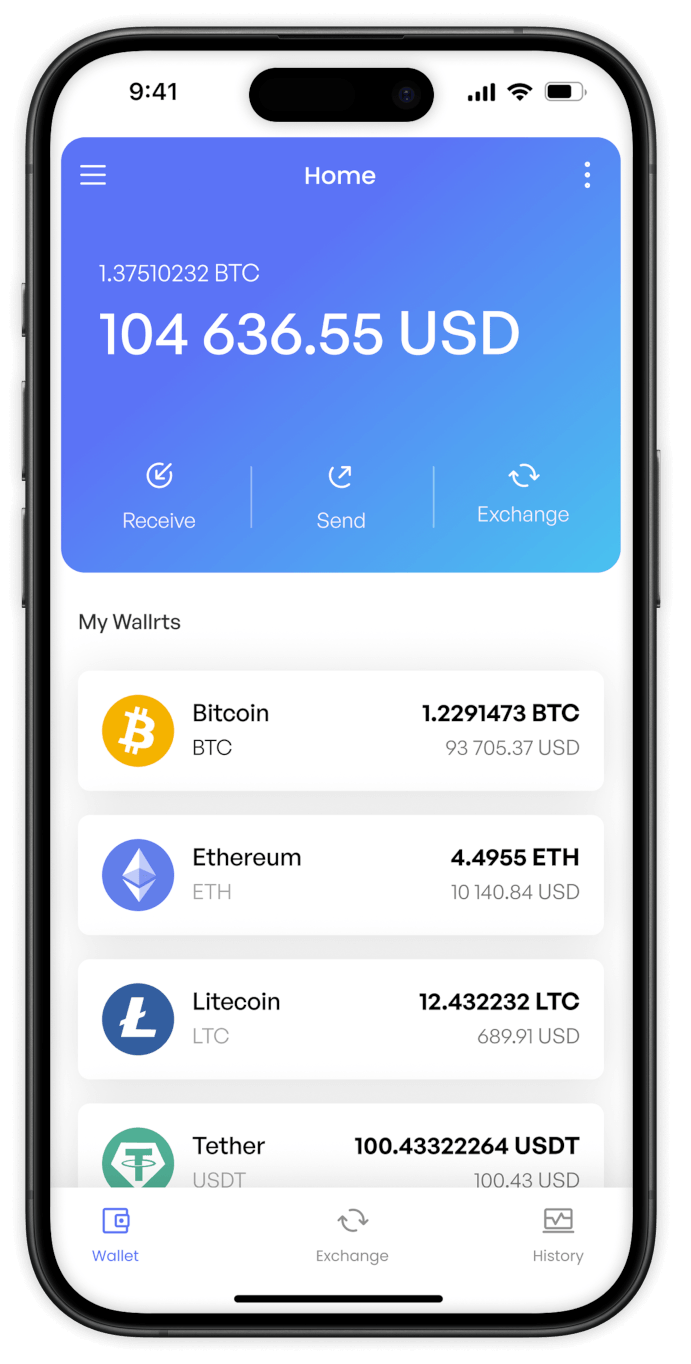
Buy crypto with your credit card from anywhere. Live rates, transparent fees, and 3D Secure on every order - the full Switchere card-buy experience in your pocket.



Scan to download the app iOS and Android