


Convert
Israeli New Shekel (ILS) to QTUM (QTUM) Instantly


Purchase QTUM (QTUM) with Israeli New Shekel (ILS) easily at Switchere and benefit from fast, secure transactions.
About
QTUM (QTUM)
Qtum (QTUM) is an innovative hybrid blockchain platform that uniquely combines the security of Bitcoin's Unspent Transaction Output (UTXO) model with the smart contract capabilities of the Ethereum Virtual Machine (EVM). This fusion is achieved through its groundbreaking Account Abstraction Layer (AAL), which allows for the seamless interaction between these two distinct blockchain architectures. As a decentralized network, Qtum provides a stable, secure, and flexible environment for developers to build decentralized applications (dApps) and for businesses to deploy enterprise-level blockchain solutions. The platform operates on a Proof-of-Stake (PoS) consensus mechanism, enabling energy-efficient block validation and allowing token holders to participate in network security by staking their QTUM.
The native utility token, QTUM, is integral to the ecosystem's functionality. It is used to pay for transaction fees and smart contract execution, similar to gas on Ethereum. Furthermore, the digital asset serves as a governance token through Qtum's Decentralized Governance Protocol (DGP). This on-chain governance system allows stakeholders to vote on key network parameters, such as block size and gas fees, fostering a truly decentralized and adaptable Web3 infrastructure. Its mobile-first design and commitment to interoperability position Qtum as a significant platform for real-world DeFi applications and business use cases.
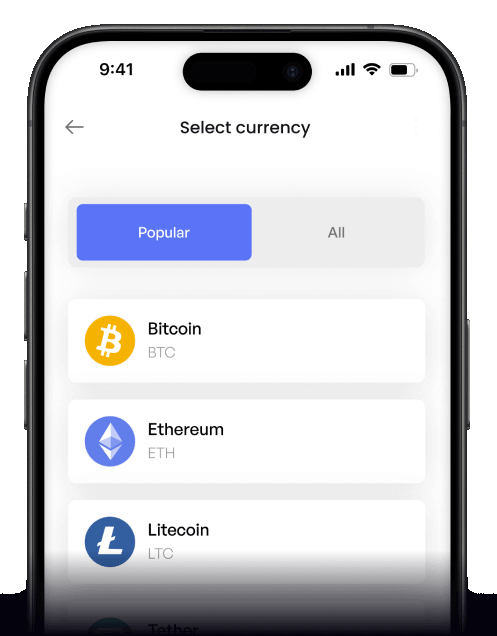
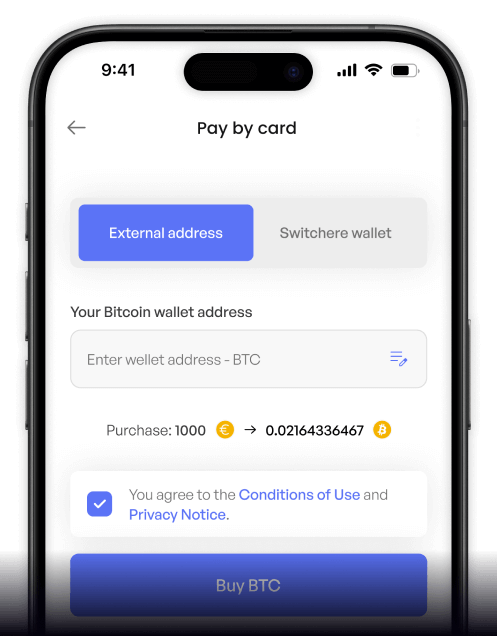
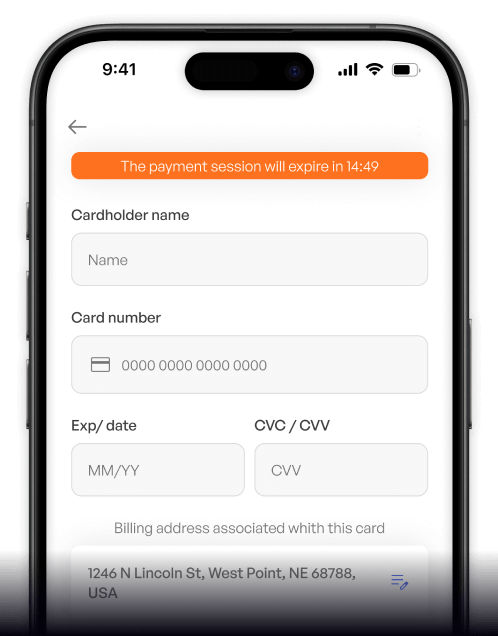
How to Buy QTUM (QTUM)
 Step-by-step guidance
 Easy credit card payments
 Streamlined purchase process
 Web
Web
Popular Coins for Israeli New Shekel (ILS)




Other Coins for Israeli New Shekel (ILS)








Frequently asked questions
-
What is the ILS/QTUM trading pair?
The ILS/QTUM pair represents the direct exchange rate between the Israeli Shekel (ILS) and the Qtum (QTUM) cryptocurrency. This fiat on-ramp allows users to purchase QTUM, a unique digital asset that combines Bitcoin's UTXO security model with an EVM-compatible smart contract layer, directly using their local currency. This avoids intermediate conversions and provides direct access to Qtum's ecosystem, which features a Decentralized Governance Protocol (DGP). -
How can I buy QTUM with Israeli Shekel (ILS)?
To buy QTUM with ILS, you'll need to use a cryptocurrency exchange that supports this specific fiat on-ramp. The process typically involves creating an account, completing KYC/AML verification, and then depositing ILS via methods like an Israeli bank transfer (e.g., from Bank Hapoalim or Bank Leumi) or a credit/debit card like Isracard. Once your ILS is credited, you can place an order for QTUM on the ILS/QTUM order book. -
What technical features of Qtum are important for an ILS investor to know?
An ILS investor should understand that Qtum's architecture is a hybrid model. It uses the UTXO accounting model for security, similar to Bitcoin, but integrates the Account Abstraction Layer (AAL) to support an EVM-compatible environment. This means developers can easily port Ethereum-based smart contracts. Furthermore, Qtum operates on a Proof-of-Stake (PoS) consensus mechanism, allowing holders of QTUM tokens to participate in network validation and earn staking rewards. -
What are the typical fees when trading ILS for QTUM?
When converting ILS to QTUM, you'll encounter several potential fees. First, there are fiat deposit fees, which vary based on your payment method (e.g., a bank wire transfer might be cheaper than a debit card). Second, the cryptocurrency exchange will charge a trading fee, often a percentage of the transaction value. Finally, when you move your QTUM from the exchange to a secure digital wallet, you will pay a blockchain transaction fee, which is a network fee inherent to the Qtum blockchain. -
Once I buy QTUM with ILS, how can I securely store it?
For secure storage after a digital asset purchase, it is highly recommended to transfer your QTUM from the exchange to a personal digital wallet where you control the private keys (self-custody). You can use the official Qtum Core wallet for full functionality, including staking. Alternatively, various third-party hardware or software wallets that support QTUM and QRC-20 tokens are also excellent options for enhancing security.

Buy on the go
Anywhere. Anytime.
Buy crypto with your credit card from anywhere. Live rates, transparent fees, and 3D Secure on every order - the full Switchere card-buy experience in your pocket.



Scan to download the app iOS and Android

