


Convert
Israeli New Shekel (ILS) to Celsius (CEL) Instantly


Purchase Celsius (CEL) with Israeli New Shekel (ILS) easily at Switchere and benefit from fast, secure transactions.
About
Celsius (CEL)
Celsius Network, with its native CEL token, emerged as a major centralized finance (CeFi) platform designed to bridge the gap between traditional banking and the world of digital assets. Its primary function was to offer users the ability to earn yield on their cryptocurrency holdings and to take out crypto-collateralized loans. The platform operated on a custodial basis, managing user funds to generate interest income through lending activities to institutional borrowers. This model positioned it as a user-friendly alternative for crypto holders seeking to put their assets to work without navigating complex DeFi protocols.
The CEL token was the core of its loyalty and rewards system. As a utility token, holding and using CEL provided tangible benefits within the Celsius ecosystem, such as preferential interest rates for both earning and borrowing. Users could receive higher yields on their deposited assets and lower rates on loans, with rewards often distributed weekly in the form of CEL. This tokenomics structure was designed to incentivize user loyalty and drive demand for the native asset. However, the platform faced significant operational challenges and market pressures, which ultimately led to a Chapter 11 bankruptcy filing, profoundly impacting its users and reshaping the narrative around risk in the CeFi lending industry.

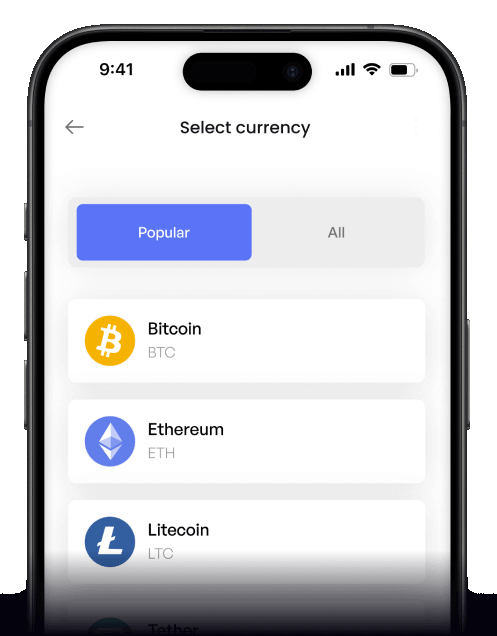
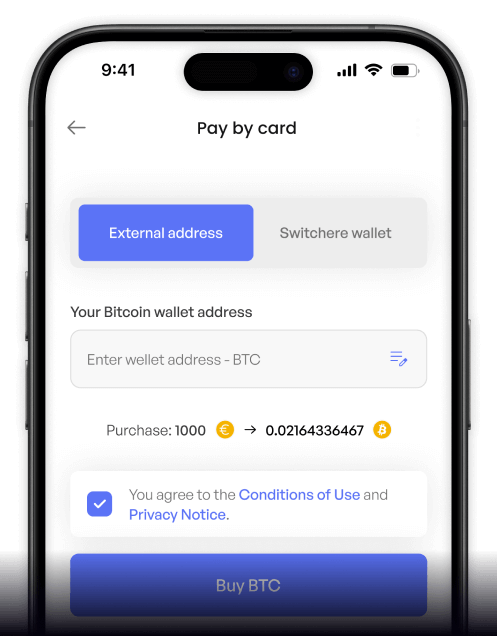
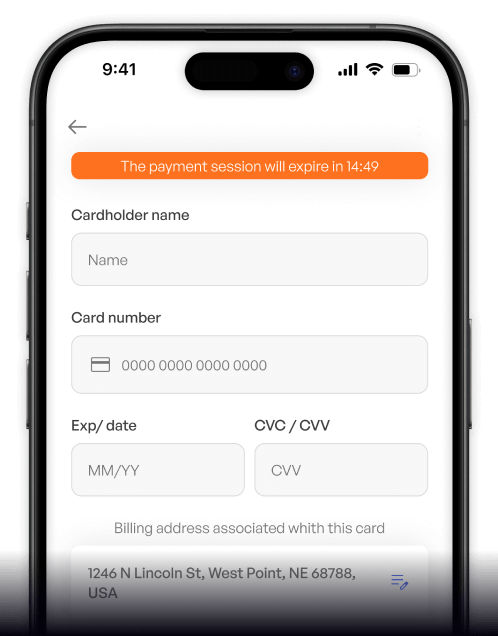
How to Buy Celsius (CEL)
 Step-by-step guidance
 Easy credit card payments
 Streamlined purchase process
 Web
Web
Popular Coins for Israeli New Shekel (ILS)





Other Coins for Israeli New Shekel (ILS)








Frequently asked questions
-
What is the ILS/CEL trading pair and what was its primary function?
The ILS/CEL pair represents the direct exchange rate between the Israeli Shekel (ILS) and the Celsius (CEL) token. Its primary function was to provide a fiat on-ramp for users in Israel to acquire CEL, the native utility token of the Celsius Network. Acquiring CEL was essential for users who wanted to access enhanced benefits on the crypto lending platform, such as higher yield-generating rewards and better loan terms. -
What are the common methods to buy Celsius (CEL) with Israeli Shekel (ILS)?
To purchase CEL with ILS, you typically need to use a cryptocurrency exchange that supports both the Israeli Shekel as a fiat deposit method and lists the CEL token for trading. Common payment methods include direct bank transfers from an Israeli bank account, and in some cases, debit or credit card purchases. The process usually involves completing KYC/AML compliance on the platform, depositing ILS, and then executing a trade on the ILS/CEL order book or using an instant buy feature. -
What was the core utility of the CEL token within the Celsius Network ecosystem?
The CEL token was an ERC-20 utility token designed to provide special benefits to users of the Celsius Network platform. Its core utility was structured around loyalty tiers. By holding CEL tokens, users could achieve higher tiers, which unlocked benefits such as increased weekly rewards on their deposited digital assets (earn in CEL), discounts on interest rates for crypto-backed loans, and priority customer service. The token was integral to the platform's yield-generating and lending mechanics. -
Are there specific KYC regulations when using an ILS fiat on-ramp to acquire digital assets?
Yes, any regulated cryptocurrency exchange that provides a fiat gateway for Israeli Shekel (ILS) is required to adhere to strict Know Your Customer (KYC) and Anti-Money Laundering (AML) regulations. This means users must complete an identity verification process, which typically involves submitting a government-issued ID, proof of address, and sometimes a selfie for biometric verification. This KYC/AML compliance is mandatory to link your bank account for ILS deposits and ensure secure, legal transactions. -
After purchasing CEL with ILS, what is the best practice for storing the tokens securely?
The most secure practice for storing CEL, or any ERC-20 token, after purchase is to transfer them from the cryptocurrency exchange to a personal digital wallet where you control the private keys. This is known as self-custody. Options include hardware wallets (e.g., Ledger, Trezor) for maximum security or reputable software wallets (e.g., MetaMask, Trust Wallet). Leaving assets on an exchange exposes them to platform-specific risks, so moving them to a self-custody wallet is a crucial step for long-term secure storage.

Buy on the go
Anywhere. Anytime.
Buy crypto with your credit card from anywhere. Live rates, transparent fees, and 3D Secure on every order - the full Switchere card-buy experience in your pocket.



Scan to download the app iOS and Android

