Convert
ILS to STG Instantly
Israeli New Shekel to Stargate Finance (ERC20) at the real-time exchange rate


Purchase STG (ERC20) with Israeli New Shekel (ILS) easily at Switchere and benefit from fast, secure transactions.
About
STG (ERC20)
Navigating the exchange rate between the Israeli New Shekel (ILS) and Stargate Finance (STG) is essential for users looking to participate in omnichain DeFi ecosystems. A reliable ILS to STG converter reflects real-time market conditions, driven by local liquidity in Israel, global cryptocurrency volatility, and the forex standing of the shekel. Stargate Finance operates as a fully composable liquidity transport protocol built on LayerZero, allowing users to transfer native assets across different blockchains. When you buy STG with ILS, the final STG to ILS rate is also influenced by the specific blockchain network chosen for deployment, such as Ethereum, Arbitrum, or Polygon, which dictates the underlying network fees.
Utilizing a fiat on-ramp for this pair requires compliance with standard KYC and AML regulations. Israeli residents typically fund these transactions via domestic bank transfers, credit cards, or supported local payment gateways. Before initiating a conversion, users must prepare a compatible non-custodial wallet address that supports the selected network's token standard, such as ERC-20. The speed of receiving your STG tokens depends heavily on the payment method clearing time and the blockchain's current confirmation speed. Understanding these mechanics ensures a smooth transition from traditional Israeli fiat into decentralized finance.

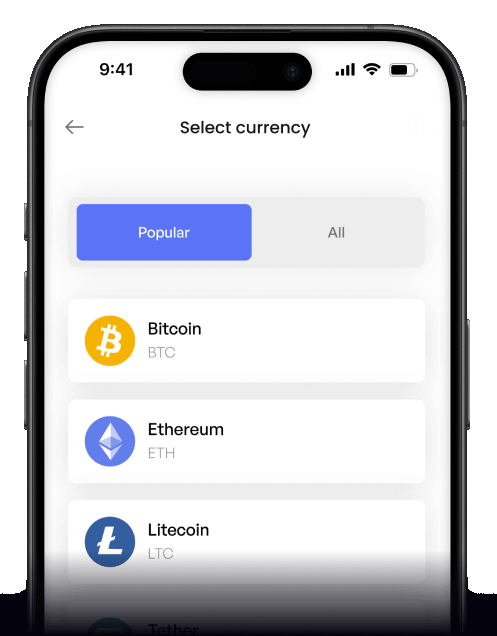
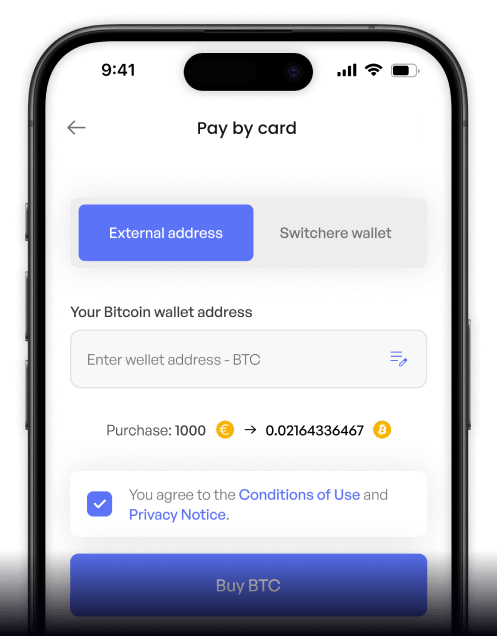
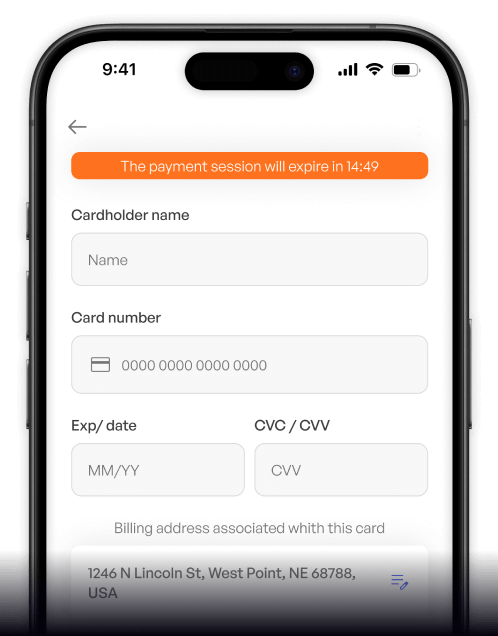
How to Buy STG (ERC20)
 Step-by-step guidance
 Easy credit card payments
 Streamlined purchase process
 Web
Popular Coins for Israeli New Shekel (ILS)


Other Coins for Israeli New Shekel (ILS)


Frequently asked questions
-
What exactly is the ILS/STG trading pair and what does it represent?
The ILS/STG pair represents the exchange rate between the Israeli Shekel (ILS) and Stargate Finance's native token (STG). It allows you to purchase STG, a key governance and utility token within the Stargate omnichain protocol, using Israeli fiat currency. Stargate Finance, built on the LayerZero interoperability protocol, facilitates cross-chain transfers of native assets through unified liquidity pools, making STG a crucial digital asset for DeFi interoperability. -
What is the best way to convert ILS to STG using a fiat on-ramp?
A direct ILS/STG pair is uncommon. The most common method is to use a regulated cryptocurrency exchange that accepts ILS deposits via bank transfer or credit/debit card. First, you would complete KYC/AML compliance to open an account. Then, you deposit ILS, purchase a major liquidity digital asset like BTC or ETH, and finally trade that asset for STG on the same exchange's order book or a decentralized exchange (DEX). -
What technical advantages does Stargate Finance offer for cross-chain transactions?
Stargate Finance leverages the LayerZero protocol to provide guaranteed finality and unified liquidity. Unlike traditional bridges that use fragmented liquidity and wrapped assets, Stargate enables native asset transfers between blockchains. Its delta (Δ) algorithm is a novel resource balancing mechanism that allows for high capital efficiency within its single-sided liquidity pools, solving the bridging trilemma and making DeFi composability more seamless. -
After buying STG with ILS, what are the next steps for staking and governance?
Once you acquire STG, you must transfer it from the cryptocurrency exchange to a self-custody digital wallet (e.g., MetaMask). From there, you can connect to the Stargate Finance dApp. You can then stake your STG tokens to receive veSTG (voting-escrow STG), which grants you governance rights to vote on proposals related to the omnichain protocol's development and treasury management. -
Are there specific security practices for handling STG tokens obtained via an ILS transaction?
Yes. Always use a reputable, regulated exchange for your initial ILS fiat on-ramp. Enable two-factor authentication (2FA) on your exchange account. Since STG is an omnichain token existing on multiple blockchains, double-check that you are sending it to the correct wallet address on the intended network (e.g., Ethereum, Arbitrum, etc.). For long-term holding or staking, a hardware wallet is the most secure storage for your digital assets.

Buy on the go
Anywhere. Anytime.
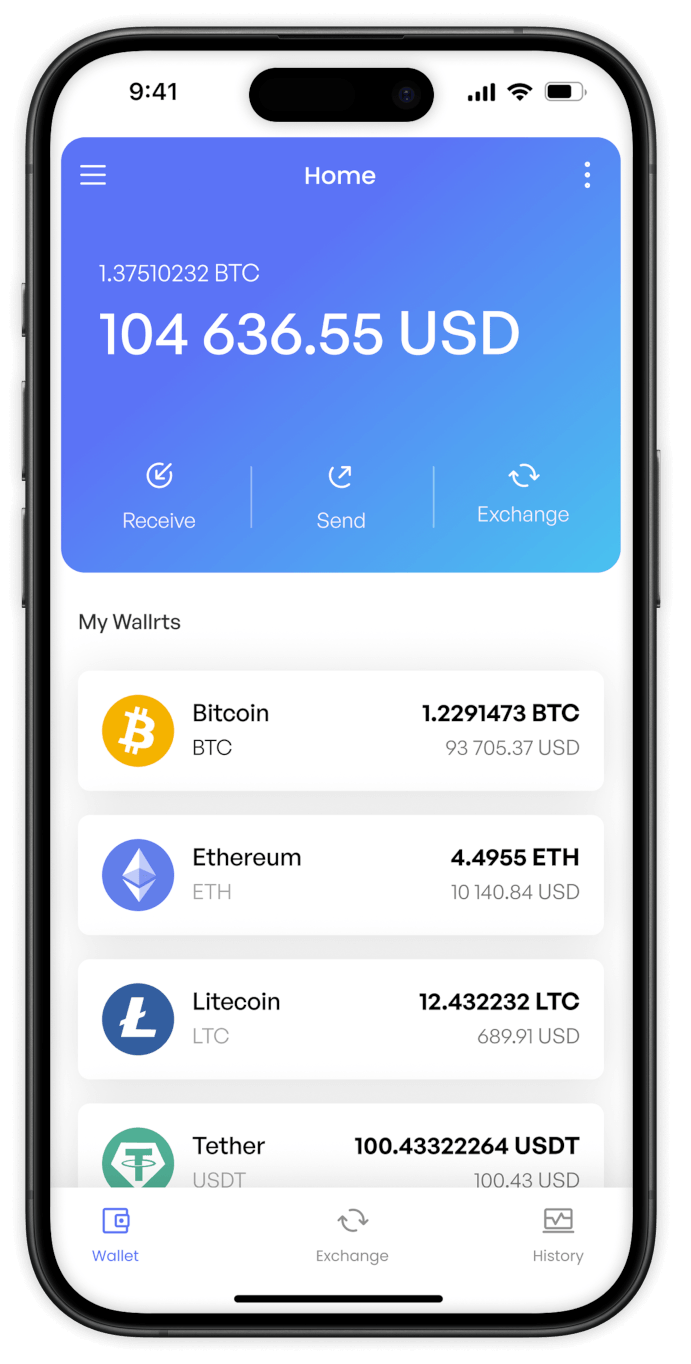
Buy crypto with your credit card from anywhere. Live rates, transparent fees, and 3D Secure on every order - the full Switchere card-buy experience in your pocket.



Scan to download the app iOS and Android