


Convert
Israeli New Shekel (ILS) to Aave (AAVE) Instantly


Purchase Aave (AAVE) with Israeli New Shekel (ILS) easily at Switchere and benefit from fast, secure transactions.
About
Aave (AAVE)
Aave (AAVE) is a leading decentralized finance (DeFi) protocol, functioning as an open-source, non-custodial liquidity market. Its primary purpose is to enable users to lend and borrow a diverse range of digital assets without intermediaries. The platform leverages sophisticated smart contracts on blockchain technology, primarily Ethereum, but has expanded its reach to multiple chains, enhancing its DeFi applications. Users supplying assets to Aave liquidity pools earn passive income through interest, receiving interest-bearing aTokens in return, which represent their deposited capital and accrued interest. Borrowers, on the other hand, can take out overcollateralized loans or innovative undercollateralized "flash loans," a unique feature for developers.
The core technology of Aave relies on its robust smart contract architecture, facilitating secure and transparent on-chain transactions. Key distinguishing features include its support for variable and stable interest rates, offering flexibility to users based on market conditions and risk appetite. The native AAVE token serves crucial functions within this decentralized network. It acts as a governance token, empowering holders to vote on protocol upgrades and parameter changes, shaping the future of the Aave ecosystem. Furthermore, AAVE can be staked in the protocol's Safety Module, contributing to its cryptographic security and providing an insurance backstop, with stakers earning rewards. Aave stands as a cornerstone of Web3 infrastructure, providing foundational money market services.

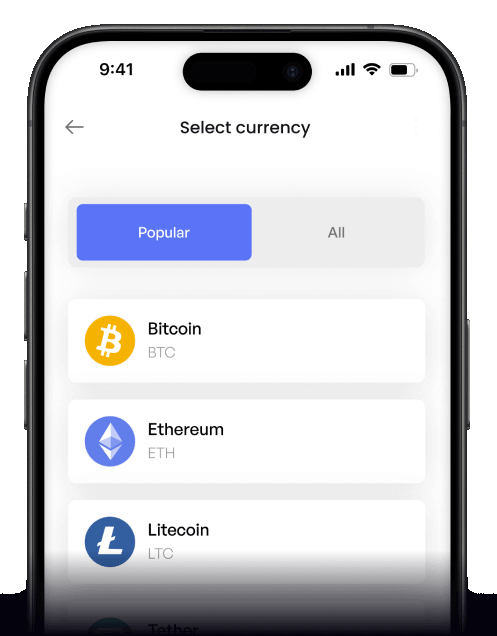
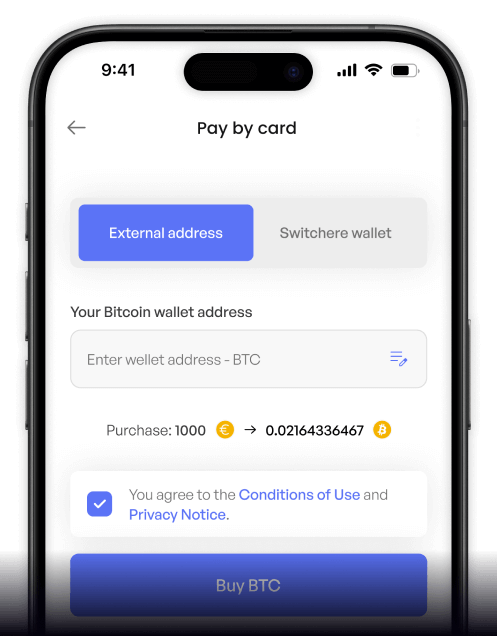
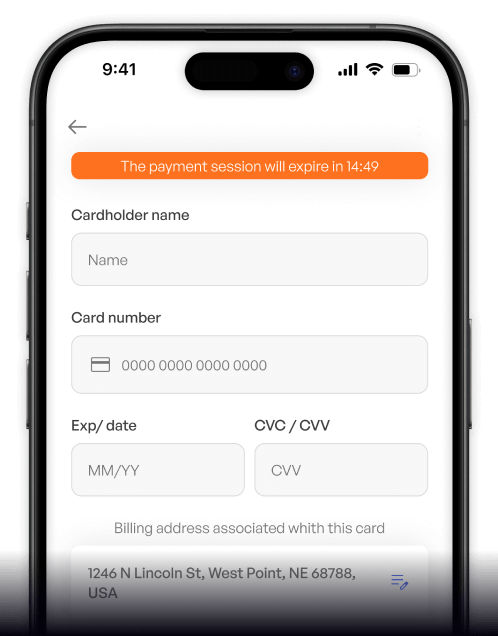
How to Buy Aave (AAVE)
 Step-by-step guidance
 Easy credit card payments
 Streamlined purchase process
 Web
Web
Popular Coins for Israeli New Shekel (ILS)




Other Coins for Israeli New Shekel (ILS)





Frequently asked questions
-
What are the primary methods to buy Aave (AAVE) with Israeli Shekels (ILS)?
To purchase Aave (AAVE) with Israeli Shekels (ILS), you typically use a cryptocurrency exchange that serves as a fiat on-ramp. The most common route involves buying a major cryptocurrency like Bitcoin (BTC) or a stablecoin like USDT with ILS via a credit/debit card or local bank transfer. After this initial digital asset purchase and completing KYC/AML compliance, you can then trade that asset for AAVE on the exchange's order book. -
What is the function of the AAVE token within the decentralized finance (DeFi) ecosystem?
The AAVE token is the native governance token of the Aave Protocol, a leading decentralized lending and borrowing platform. Its primary function is to empower the community to collectively manage the protocol. Holders can vote on Aave Improvement Proposals (AIPs), influencing key risk parameters and future development. Additionally, AAVE can be staked in the protocol's Safety Module to act as insurance, earning stakers rewards in return. -
What are aTokens and how do they function within the Aave Protocol?
When you deposit a crypto asset into an Aave Protocol liquidity pool, you receive a corresponding amount of aTokens, which are interest-bearing tokens. For example, depositing DAI gives you aDAI. These aTokens represent your claim on the deposited assets and automatically accrue interest in real-time in your digital wallet. They are pegged 1:1 to the value of the underlying asset and can be redeemed at any time. -
Are direct ILS/AAVE trading pairs common on major cryptocurrency exchanges?
Direct ILS/AAVE trading pairs are not common due to lower trading volume and liquidity for the Israeli Shekel on most global platforms. The standard method is a two-step blockchain transaction process: first, convert your ILS to a high-liquidity asset like USDT, BTC, or ETH on a regulated fiat gateway. Second, use that acquired asset to trade for AAVE on an exchange with a deep order book for the AAVE/USDT, AAVE/BTC, or AAVE/ETH pair. -
What are flash loans, a unique feature of the EVM-compatible Aave Protocol?
Flash loans are an advanced feature of the Aave Protocol that allows users to borrow any amount of assets without posting any collateral, provided the loan is repaid within the same single blockchain transaction. These atomic transactions are executed by smart contracts and are popular for arbitrage opportunities, collateral swaps, and other complex DeFi strategies. If the loan isn't repaid in the same transaction, the entire transaction fails, ensuring the protocol's funds are safe.

Buy on the go
Anywhere. Anytime.
Buy crypto with your credit card from anywhere. Live rates, transparent fees, and 3D Secure on every order - the full Switchere card-buy experience in your pocket.



Scan to download the app iOS and Android

