Convert
ILS to ANKR Instantly
Israeli New Shekel to Ankr (ERC20) at the real-time exchange rate


Purchase ANKR (ERC20) with Israeli New Shekel (ILS) easily at Switchere and benefit from fast, secure transactions.
About
ANKR (ERC20)
Tracking the ANKR to ILS rate is essential for Israeli users looking to participate in decentralized Web3 infrastructure. As a utility token powering a global network of blockchain nodes, Ankr requires a reliable fiat on-ramp for accessibility. When you use an ILS to ANKR converter, the exchange rate reflects several dynamic variables, including the local strength of the Israeli New Shekel, global crypto market liquidity, and ANKR's inherent volatility. Furthermore, because ANKR operates primarily as an ERC-20 token on Ethereum and a BEP-20 token on BNB Smart Chain, network fees (gas) and confirmation times will vary depending on your chosen blockchain.
To buy ANKR with ILS, users typically rely on local bank transfers, credit cards, or international wire options that support Israeli fiat transactions. Due to stringent regional regulations, completing standard KYC/AML verification is usually required before processing your fiat conversion. Once cleared, you can execute the trade and withdraw the tokens to your personal non-custodial wallet address. Make sure to select the correct token standard to avoid asset loss. By bridging ILS into this ecosystem, developers and investors in Israel gain direct access to advanced decentralized cloud computing and Web3 RPC services.

How to Buy ANKR (ERC20)
 Step-by-step guidance
 Easy credit card payments
 Streamlined purchase process
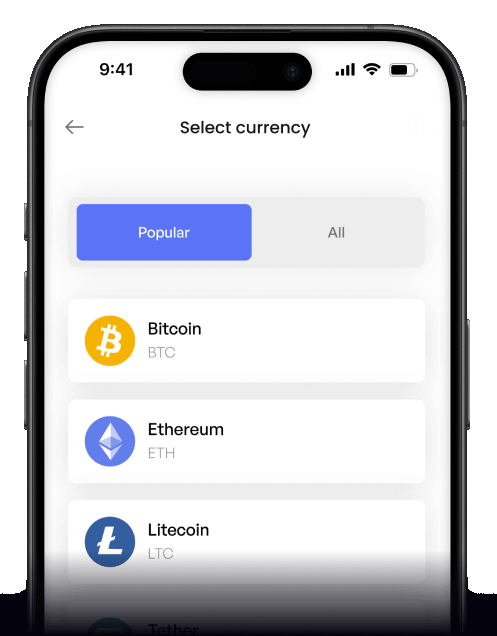
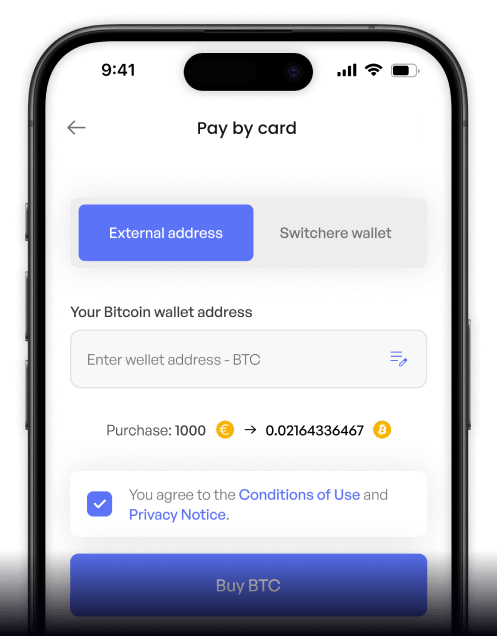
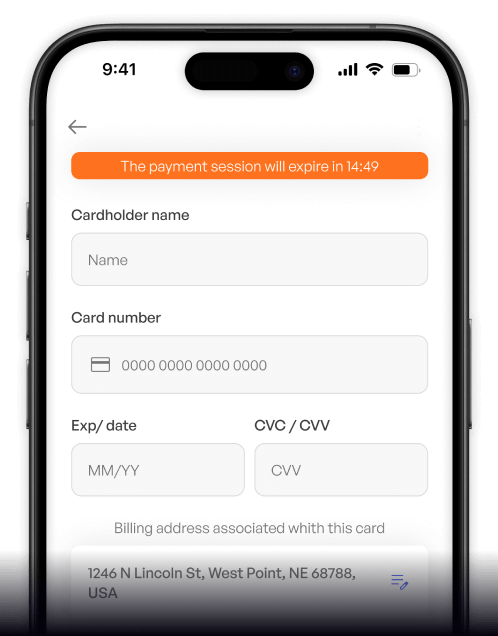
 Web
Popular Coins for Israeli New Shekel (ILS)


Other Coins for Israeli New Shekel (ILS)


Frequently asked questions
-
What are the common methods for buying Ankr (ANKR) with Israeli Shekel (ILS)?
To buy ANKR with ILS, you typically use a cryptocurrency exchange that serves as a fiat on-ramp and supports ILS deposits. Common payment methods include Israeli bank transfers, credit/debit card purchases, or using a local payment service. After funding your account, you can execute a trade on the ILS/ANKR trading pair, acquiring this digital asset for your portfolio or for use within the Ankr Network's Web3 infrastructure. -
What is the primary function of the Ankr Network that makes the ANKR token valuable?
The Ankr Network provides globally distributed and decentralized Web3 infrastructure. Its core value comes from offering developers easy access to blockchain data via RPC services and API endpoints across multiple chains. The ANKR token is the native utility token used for payments for these infrastructure services, for staking by node providers to secure the network, and for governance, giving it intrinsic value tied to the adoption and usage of Ankr's decentralized node marketplace. -
Are there specific KYC/AML regulations to consider when transacting ILS for ANKR?
Yes, any reputable cryptocurrency exchange facilitating ILS to ANKR transactions will enforce strict Know Your Customer (KYC) and Anti-Money Laundering (AML) compliance. Users in Israel will need to verify their identity by providing official documents. This process is mandatory for regulatory compliance, enhances platform security, and is crucial for preventing illicit activities within the digital asset space. -
How does Ankr's liquid staking feature benefit a holder of ANKR tokens?
Ankr's liquid staking allows users to stake assets and receive a liquid staking token in return. While ANKR itself is used to secure the network, the broader platform utility means holders can participate in DeFi while their original assets earn staking rewards. This innovative approach combines the security of staking with the flexibility of DeFi, allowing users to maximize capital efficiency without being locked out of other opportunities. -
What kind of fees are associated with the ILS to ANKR transaction process?
When converting ILS to ANKR, you may encounter several fees. These include deposit fees for adding ILS to an exchange, trading fees which are a percentage of the trade value on the order book, and withdrawal fees. The withdrawal fee for ANKR depends on the blockchain it resides on (e.g., Ethereum or BNB Chain) and the network congestion at the time of the blockchain transaction, as this covers the network's gas fees.

Buy on the go
Anywhere. Anytime.
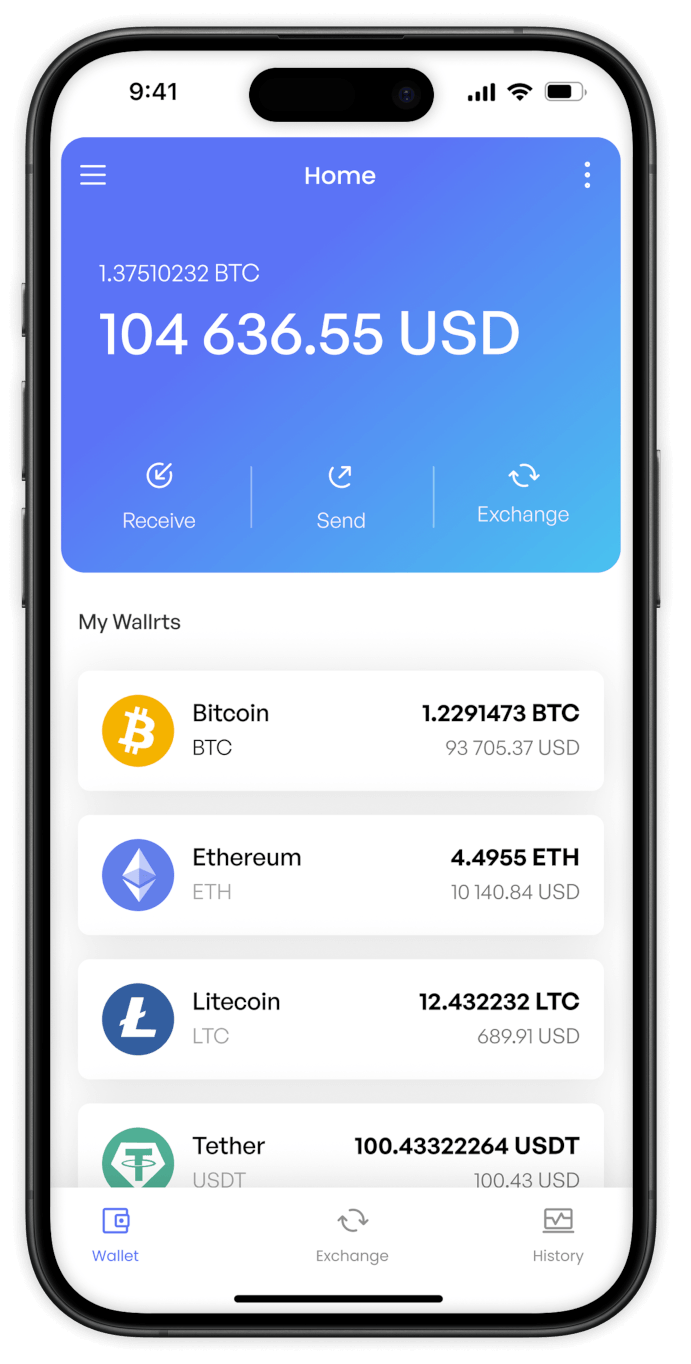
Buy crypto with your credit card from anywhere. Live rates, transparent fees, and 3D Secure on every order - the full Switchere card-buy experience in your pocket.



Scan to download the app iOS and Android