Convert
ILS to RPL Instantly
Israeli New Shekel to Rocket Pool (ERC20) at the real-time exchange rate


Purchase RPL (ERC20) with Israeli New Shekel (ILS) easily at Switchere and benefit from fast, secure transactions.
About
RPL (ERC20)
Navigating the exchange of the Israeli New Shekel for Rocket Pool's native token requires an understanding of both local fiat dynamics and Ethereum-based decentralized finance. As a premier liquid staking protocol on Ethereum, Rocket Pool utilizes RPL for node collateral and governance. An accurate ILS to RPL converter reflects real-time market liquidity, RPL's volatility against fiat, and the broader strength of the Shekel in global forex markets.
To buy RPL with ILS, Israeli residents typically utilize local banking infrastructure or dedicated fiat on-ramps. Secure transactions often involve standard credit cards, wire transfers via Israeli banks, or digital payment applications popular in the region, subject to standard KYC/AML compliance. When analyzing the RPL to ILS rate, users should factor in transaction costs associated with these payment gateways.
Receiving your tokens requires an ERC-20 compatible wallet address, as RPL operates exclusively on the Ethereum network. Therefore, conversion costs will also include Ethereum gas fees for processing the transaction on-chain. Monitoring network congestion alongside the current exchange rate ensures optimal timing for converting your Shekel into RPL, granting you seamless access to decentralized node operation and staking ecosystems.

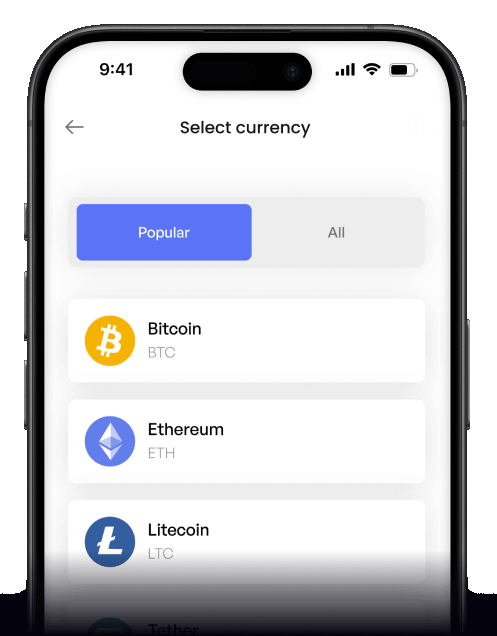
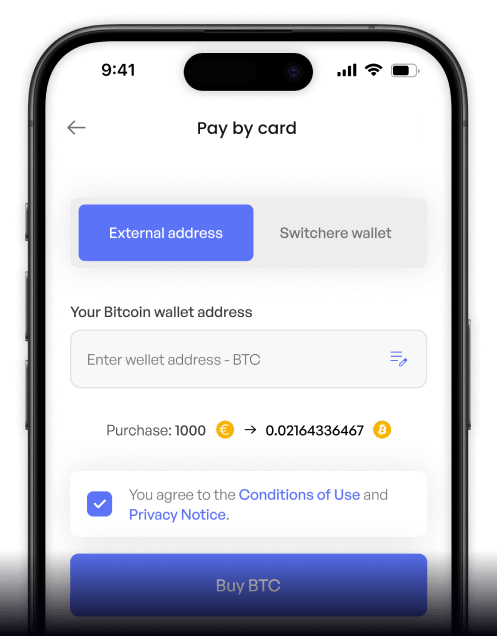
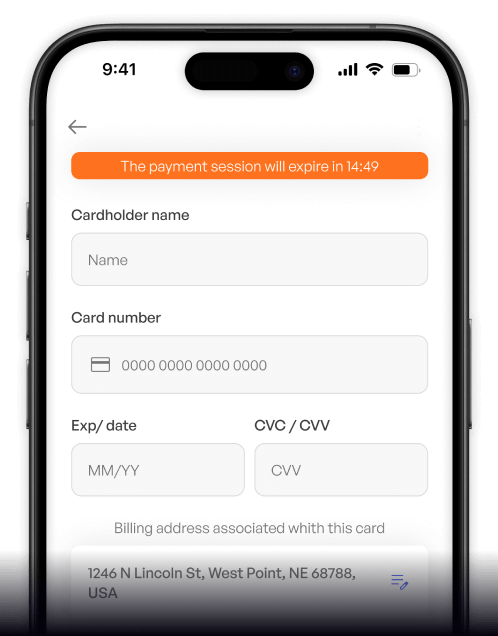
How to Buy RPL (ERC20)
 Step-by-step guidance
 Easy credit card payments
 Streamlined purchase process
 Web
Popular Coins for Israeli New Shekel (ILS)


Other Coins for Israeli New Shekel (ILS)


Frequently asked questions
-
What is the ILS/RPL trading pair and what does it represent?
The ILS/RPL pair allows you to purchase Rocket Pool's native utility token, RPL, using Israeli Shekels (ILS). This is a fiat on-ramp directly into a leading decentralized Ethereum liquid staking protocol. RPL is crucial for node operators within the Rocket Pool network, who stake it as collateral to run minipools, and it also functions as a governance token for the protocol. -
What are the common methods to perform an ILS to RPL digital asset purchase?
Typically, you would use a centralized cryptocurrency exchange that offers the ILS/RPL trading pair or an ILS/ETH pair, followed by an ETH/RPL swap. The process involves completing KYC/AML compliance on a regulated Israeli exchange, funding your account via a Shekel bank transfer (from banks like Bank Hapoalim or Leumi), and then placing an order on the RPL order book. -
What is the technical utility of RPL tokens in the Rocket Pool ecosystem?
RPL has two primary technical functions. First, permissionless node operators must stake a minimum amount of RPL as insurance collateral, which protects the protocol against penalties or slashing. This stake must be at least 10% of the value of the ETH they borrow from the staking pool. Second, RPL serves as the governance token, allowing holders to vote on protocol upgrades and changes, contributing to the decentralized control of the network's smart contracts. -
How does Rocket Pool's rETH token relate to the ILS/RPL transaction?
While you are purchasing RPL with ILS, it's important to understand rETH's role. rETH is the liquid staking token that represents staked ETH and accrues ETH staking rewards. Users who just want to stake ETH receive rETH. Purchasing RPL, on the other hand, is an investment in the protocol's infrastructure, governance, and the ability to operate a node. The value of RPL is indirectly influenced by the overall success and adoption of the rETH liquid staking token. -
What fees should I anticipate when converting Israeli Shekel to RPL?
Several fees can apply. First, your bank may charge for the ILS wire transfer to the exchange. Second, the exchange will have a deposit fee (sometimes zero) and a trading fee (a percentage of the trade value, which differs for makers and takers). Finally, when you move your RPL off the exchange to a secure digital wallet, you will pay a blockchain transaction fee, known as a gas fee, which varies based on Ethereum network congestion.

Buy on the go
Anywhere. Anytime.
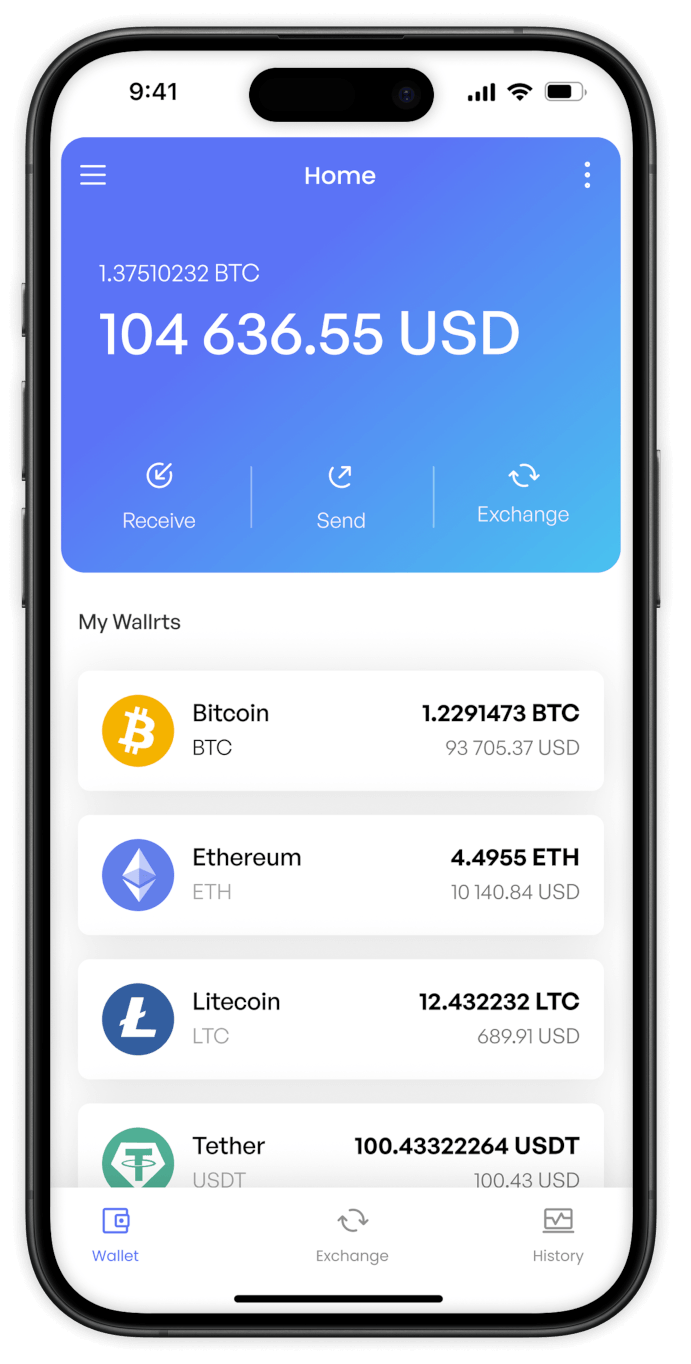
Buy crypto with your credit card from anywhere. Live rates, transparent fees, and 3D Secure on every order - the full Switchere card-buy experience in your pocket.



Scan to download the app iOS and Android