Convert
ILS to QNT Instantly
Israeli New Shekel to Quant (QNT) (ERC20) at the real-time exchange rate


Purchase QNT (ERC20) with Israeli New Shekel (ILS) easily at Switchere and benefit from fast, secure transactions.
About
QNT (ERC20)
Navigating the fiat on-ramp from the Israeli New Shekel to Quant requires a reliable ILS to QNT converter to track real-time valuations. The QNT to ILS rate fluctuates based on global crypto market liquidity, the inherent volatility of the Quant network's native asset, and broader macroeconomic factors impacting the shekel's exchange rate. As QNT powers the Overledger enterprise operating system, designed to connect disparate blockchains, acquiring it offers Israeli tech enthusiasts and developers direct access to this interoperability ecosystem.
When you buy QNT with ILS, payment methods heavily influence transaction speed and costs. Israeli residents typically utilize local bank transfers, credit cards, or digital wallets, all requiring standard KYC/AML compliance for secure processing. Since QNT operates primarily as an ERC-20 token on the Ethereum blockchain, buyers must provide a compatible wallet address to receive their assets. It is important to account for Ethereum network fees, often called gas, which are added to the platform's conversion costs. Confirmation times depend on network congestion, making it crucial to review the total exchange rate and associated blockchain fees before finalizing your ILS to Quant transaction.

How to Buy QNT (ERC20)
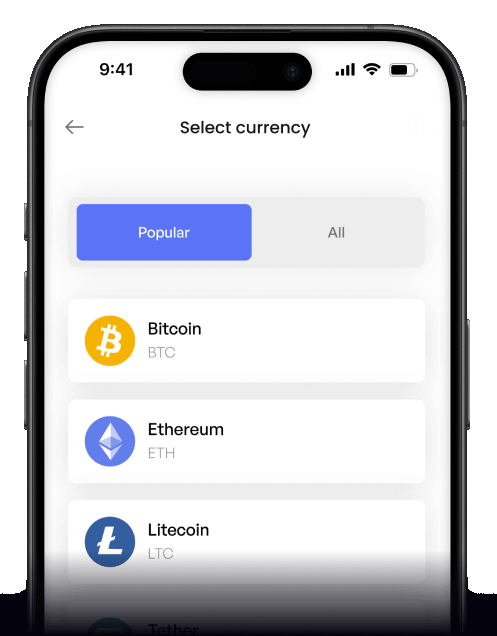
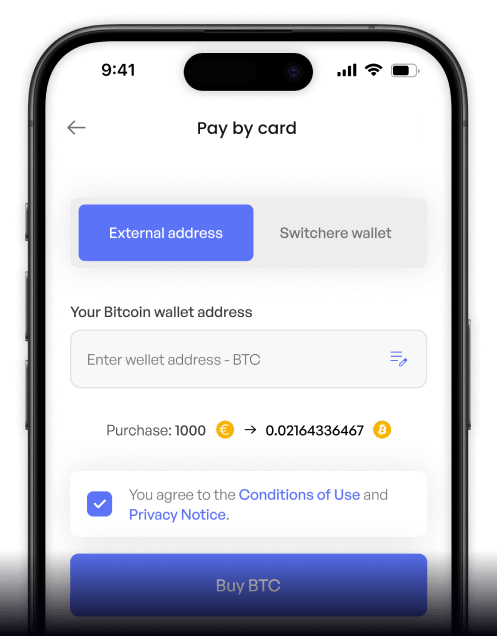
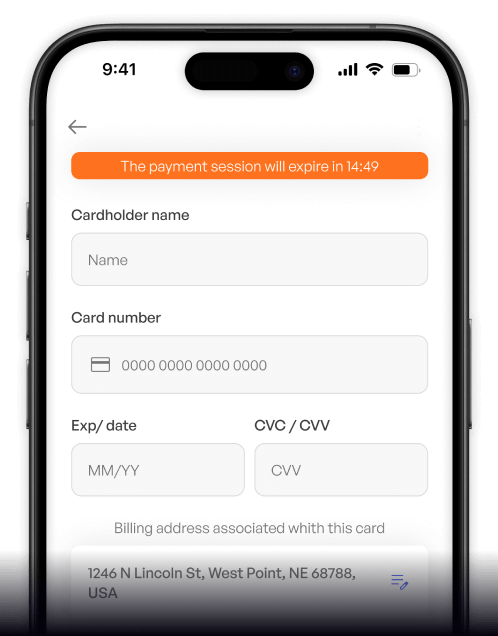
 Step-by-step guidance
 Easy credit card payments
 Streamlined purchase process
 Web
Popular Coins for Israeli New Shekel (ILS)


Other Coins for Israeli New Shekel (ILS)


Frequently asked questions
-
What is the ILS/QNT trading pair and why is it significant?
The ILS/QNT pair represents the direct exchange rate between the Israeli Shekel (ILS) and the Quant (QNT) token. Its significance lies in providing a direct fiat on-ramp for users in Israel to acquire QNT, the utility token essential for accessing Quant's Overledger network. This enables Israeli developers and enterprises to easily fund their use of multi-chain applications (mApps) and blockchain interoperability solutions without intermediate currency conversions. -
What are the common methods for purchasing QNT with Israeli Shekel (ILS)?
To purchase QNT with ILS, you typically need to use a centralized cryptocurrency exchange that supports ILS deposits. The process usually involves creating an account, completing KYC/AML (Know Your Customer/Anti-Money Laundering) verification, and then funding your account via local Israeli bank transfers or credit/debit card payments. Once your account is funded with ILS, you can place an order for QNT on the platform's order book. -
What is the core utility of the QNT token within the Quant ecosystem?
The QNT token is a multi-purpose utility token required to use the Quant Network. Its primary functions include paying for platform usage fees, developer licenses, and gateway operator fees. Enterprises and developers must hold a certain amount of QNT to access the Overledger platform, thereby creating demand. The token facilitates secure and interoperable cross-chain communication, acting as a key to unlock the network's powerful enterprise blockchain solutions. -
What security practices are essential when trading ILS for QNT?
When conducting an ILS to QNT transaction, always use reputable and regulated cryptocurrency exchanges. Enable Two-Factor Authentication (2FA) on your exchange account for an added layer of security. After purchasing your QNT digital asset, it is highly recommended to withdraw it from the exchange to a secure, self-custodial digital wallet where you control the private keys. Be vigilant against phishing attempts and never share your private keys or seed phrase. -
What kind of fees can I expect when converting ILS to QNT?
There are typically three types of fees: 1) Deposit fees for funding your exchange account with ILS, which vary by method (e.g., bank transfer vs. credit card). 2) Trading fees, charged by the exchange for executing the ILS/QNT trade, often based on a maker-taker model. 3) Withdrawal fees, which you pay to move your QNT tokens off the exchange. Since QNT is an ERC-20 token, this withdrawal fee includes the Ethereum network's gas fee, which can fluctuate based on network congestion.

Buy on the go
Anywhere. Anytime.
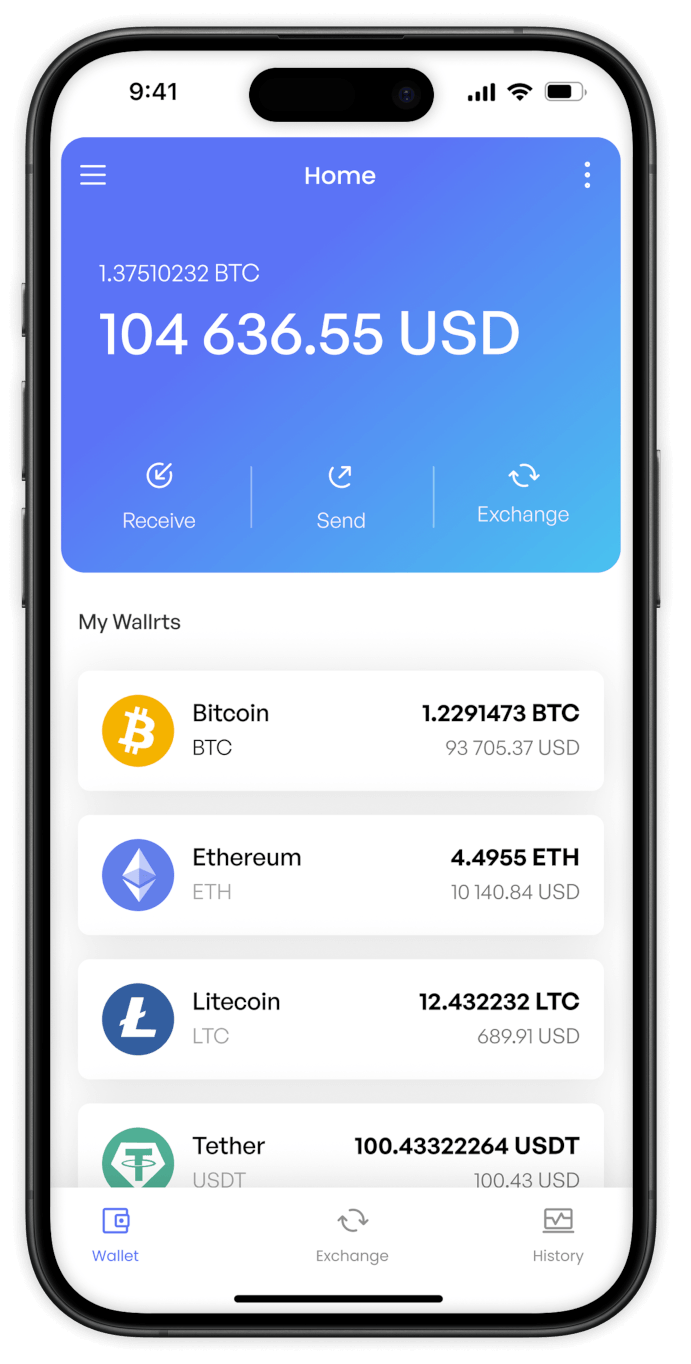
Buy crypto with your credit card from anywhere. Live rates, transparent fees, and 3D Secure on every order - the full Switchere card-buy experience in your pocket.



Scan to download the app iOS and Android