


Convert
Israeli New Shekel (ILS) to Fetch (FET) Instantly


Purchase Fetch (FET) with Israeli New Shekel (ILS) easily at Switchere and benefit from fast, secure transactions.
About
Fetch (FET)
Fetch.ai (FET) is an innovative blockchain-based platform designed to build a decentralized digital economy powered by artificial intelligence (AI) and machine learning (ML). Its primary purpose is to connect Internet of Things (IoT) devices and algorithms to enable Autonomous Economic Agents (AEAs) to perform useful economic work. These software agents act on behalf of individuals, organizations, or machines, autonomously discovering, negotiating, and executing tasks, thereby creating a decentralized AI marketplace for services and data. Fetch.ai aims to democratize access to AI, enabling a new generation of intelligent, autonomous services across various sectors.
The core technology of Fetch.ai integrates a high-performance smart ledger with advanced AI capabilities. Built using the Cosmos SDK, it benefits from the Inter-Blockchain Communication (IBC) protocol, fostering interoperability within the wider blockchain ecosystem. Its unique architecture supports collective learning, where agents can share intelligence and improve collaboratively without compromising data privacy. The native FET token is central to the platform's tokenomics, functioning as a utility token for network access, agent registration, staking to secure the network via its consensus mechanism, and as the medium of exchange for services provided by AEAs and the data they trade. Fetch.ai is a key player in deploying decentralized AI tools and Web3 infrastructure, enabling complex DeFi applications and intelligent automation solutions.

How to Buy Fetch (FET)
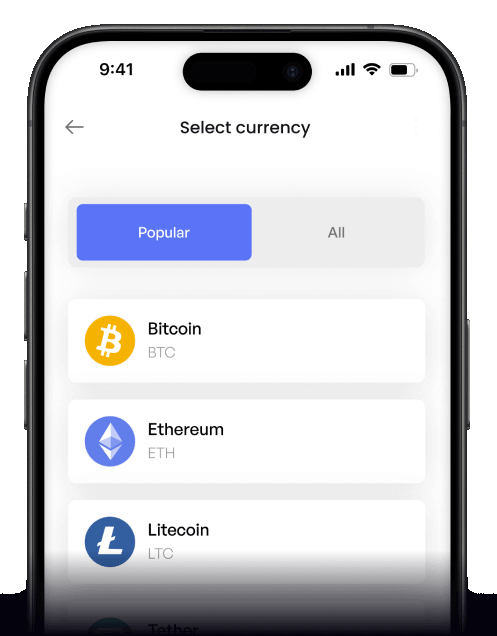
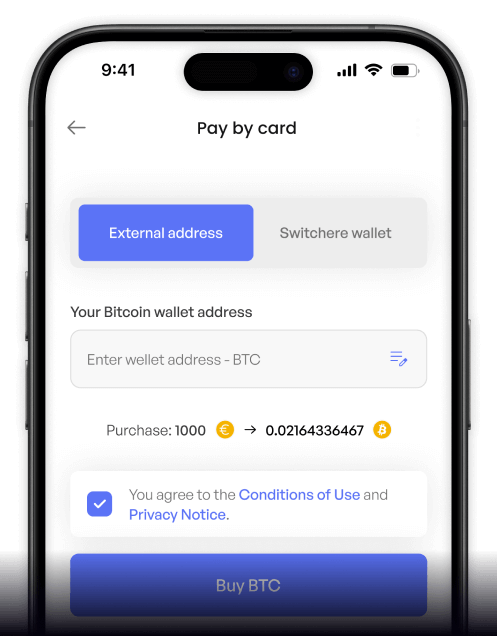
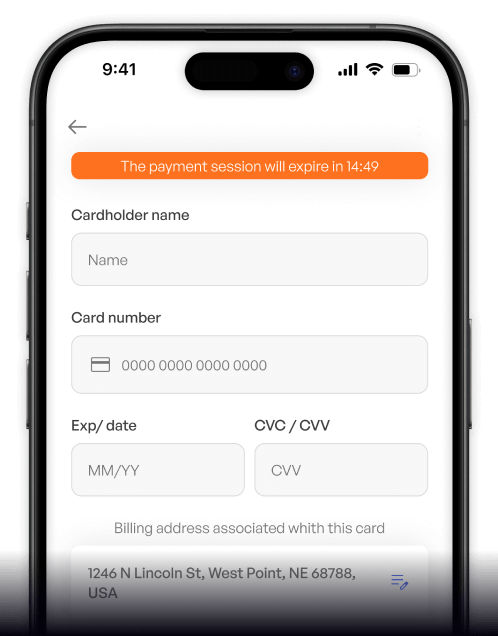
 Step-by-step guidance
 Easy credit card payments
 Streamlined purchase process
 Web
Web
Popular Coins for Israeli New Shekel (ILS)




Other Coins for Israeli New Shekel (ILS)




Frequently asked questions
-
What are the primary methods for buying Fetch.ai (FET) with Israeli Shekel (ILS)?
To buy Fetch.ai (FET) with ILS, the most common fiat on-ramp is through a centralized cryptocurrency exchange that supports the Israeli Shekel. This process typically involves creating an account, completing KYC/AML compliance, and then depositing ILS via a bank transfer or credit/debit card. You may need to first exchange ILS for a major cryptocurrency like USDT or BTC, and then trade that for FET on the platform's order book. -
Why convert ILS to FET for interacting with its decentralized AI ecosystem?
Converting ILS to FET is essential for participating in the Fetch.ai network. The FET token is the native utility asset required to deploy and interact with Autonomous Economic Agents (AEAs), which perform tasks on the network. It's also used for staking to secure the Fetch.ai mainnet, paying for transaction fees, and accessing the platform's collective learning and AI-powered smart contract capabilities. -
Are there direct ILS/FET trading pairs available on major cryptocurrency exchanges?
Direct ILS/FET trading pairs are uncommon. Most exchanges with high trading volume do not offer this specific pair due to lower regional demand. The standard procedure is a two-step trade: first, use a fiat gateway to convert Israeli Shekel (ILS) to a highly liquid base currency like USDT, EUR, or BTC. Second, use that base currency to trade for Fetch.ai (FET) on a pair like FET/USDT or FET/BTC, which offers better liquidity and a tighter spread. -
What are the typical fees when funding a digital asset purchase of FET with ILS?
When purchasing FET with ILS, you can expect several potential fees. These include: 1) A deposit fee for transferring ILS to the exchange, which can vary by payment method (bank transfers are often cheaper than cards). 2) A trading fee, charged by the exchange as a percentage of the trade value (e.g., a maker/taker fee). 3) A currency conversion fee if you first buy a different crypto. 4) A withdrawal fee, which is a fixed amount of FET charged by the exchange to move your tokens to a secure digital wallet. -
What is the best way to securely store FET tokens after an ILS purchase?
After completing your ILS to FET digital asset purchase on an exchange, the most secure practice is to withdraw the tokens to a self-custody digital wallet. For long-term holding and maximum security, a hardware wallet is recommended. For more frequent interactions with Fetch.ai's decentralized AI applications, a reputable software wallet is suitable. Always ensure you securely back up your private key or seed phrase and never share it.

Buy on the go
Anywhere. Anytime.
Buy crypto with your credit card from anywhere. Live rates, transparent fees, and 3D Secure on every order - the full Switchere card-buy experience in your pocket.



Scan to download the app iOS and Android

