


- Startseite
- Konverter
- Israeli New Shekel (ILS) zu The Graph (GRT)

Konvertieren
Israeli New Shekel (ILS) zu The Graph (GRT) Sofort


Kaufen Sie The Graph (GRT) mit Israeli New Shekel (ILS) einfach bei Switchere und profitieren Sie von schnellen und sicheren Transaktionen.
Über
The Graph (GRT)
The Graph (GRT) ist ein dezentrales Indizierungsprotokoll zum Abfragen und Organisieren von Daten aus Blockchains, ähnlich einer Suchmaschine für das Web3-Ökosystem. Es löst eine kritische Herausforderung der Blockchain-Technologie: die Schwierigkeit, spezifische On-Chain-Daten effizient abzurufen. Vor The Graph mussten Entwickler proprietäre Indizierungsserver erstellen und betreiben, ein ressourcenintensiver Prozess. Dieses Protokoll bietet eine grundlegende Middleware-Schicht, die es dezentralen Anwendungen (dApps) ermöglicht, komplexe Smart-Contract-Daten über offene APIs, sogenannte Subgraphs, abzufragen, was die Entwicklung von DeFi-Anwendungen und anderer Web3-Infrastruktur erheblich vereinfacht.
Im Kern nutzt das Netzwerk einen Arbeitstoken, GRT, um die Teilnehmer zu koordinieren: Indexer, Kuratoren und Delegatoren. Indexer betreiben Knoten und staken GRT, um Abfragen zu verarbeiten und Indizierungsdienste bereitzustellen. Kuratoren sind Subgraph-Entwickler oder Datenkonsumenten, die durch Staking von GRT signalisieren, welche Subgraphs von hoher Qualität sind. Delegatoren tragen zur Netzwerksicherheit bei, indem sie ihre GRT an bestehende Indexer delegieren. Dieses Tokenomics-Modell schafft eine lebendige Datenwirtschaft, die durch kryptografische Sicherheit angetrieben wird. Durch die Nutzung von GraphQL als Abfragesprache bietet The Graph ein leistungsstarkes Werkzeug und festigt seine Position als wesentlicher Bestandteil für den Aufbau wirklich dezentraler Anwendungen auf einem globalen, verifizierbaren digitalen Hauptbuch.

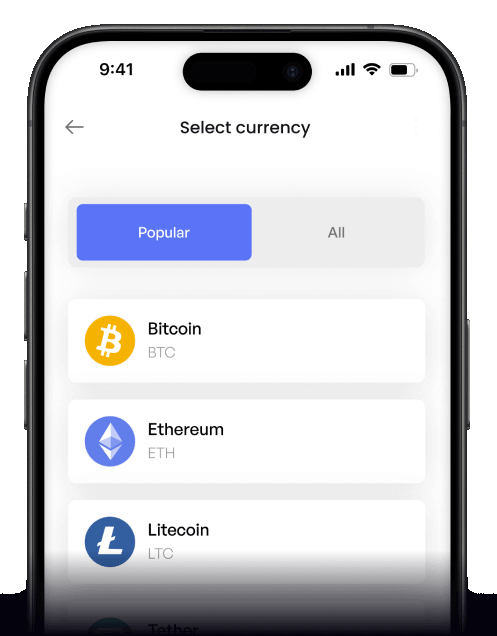
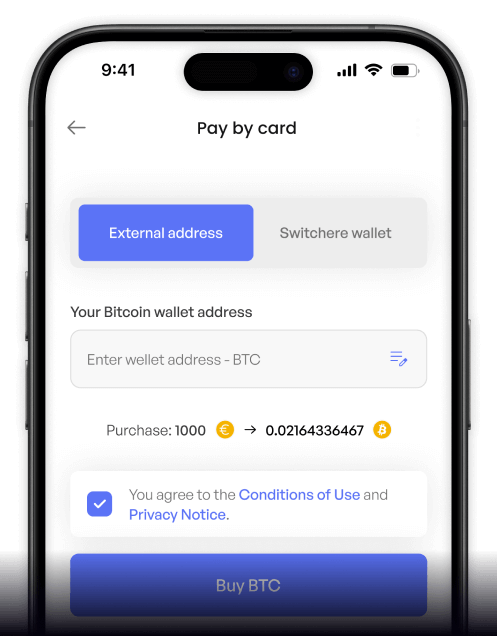
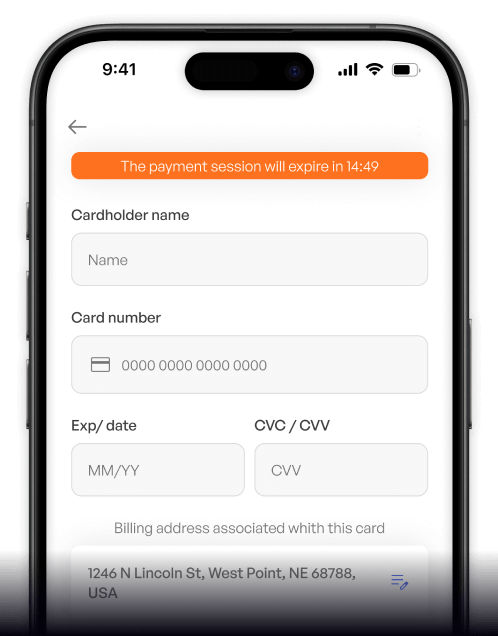
Wie man The Graph (GRT) kauft
 Schritt-für-Schritt-Anleitung
 Einfache Zahlungen mit Kreditkarte
 Rationalisierter Kaufprozess
 Web
Web
Beliebte Münzen für Israeli New Shekel (ILS)




Andere Münzen für Israeli New Shekel (ILS)







Häufig gestellte Fragen
-
Was ist die primäre Methode, um The Graph (GRT) mit israelischen Schekel (ILS) zu kaufen?
Die gebräuchlichste Methode ist die Nutzung einer regulierten Kryptowährungsbörse, die den israelischen Markt bedient und ILS als Fiat-On-Ramp anbietet. Benutzer müssen in der Regel eine KYC/AML-Verifizierung durchführen, ein israelisches Bankkonto für eine direkte Überweisung verknüpfen oder eine lokale Kredit-/Debitkarte verwenden und dann einen Handel im ILS/GRT-Orderbuch ausführen, um dieses digitale Asset für die Web3-Datenwirtschaft zu erwerben. -
Welche grundlegende Rolle spielt The Graph (GRT) im Web3-Ökosystem?
The Graph ist ein dezentrales Indizierungsprotokoll zur Abfrage von Netzwerken wie Ethereum und IPFS. Es ermöglicht Entwicklern, offene APIs, sogenannte 'Subgraphs', zu erstellen und zu veröffentlichen, wodurch Blockchain-Daten leicht zugänglich gemacht werden. GRT ist der Utility-Token, der zur Sicherung des Netzwerks verwendet wird, wobei Teilnehmer wie Indexer, Kuratoren und Delegatoren GRT staken, um Dienste bereitzustellen und Abfragegebühren zu verdienen, wodurch die Datenschicht für dApps betrieben wird. -
Wie kann ich meine GRT-Token nach einer erfolgreichen ILS-zu-GRT-Transaktion sicher aufbewahren?
Für eine sichere Aufbewahrung digitaler Vermögenswerte wird dringend empfohlen, Ihre GRT-Token von der Börse in eine persönliche digitale Wallet zu verschieben, bei der Sie die privaten Schlüssel kontrollieren. Zu den Optionen gehören Hardware-Wallets (Cold Storage) für maximale Sicherheit oder seriöse Software-Wallets (Hot Storage). Diese Praxis minimiert das Gegenparteirisiko, das mit dem Belassen von Vermögenswerten auf einer zentralisierten Handelsplattform verbunden ist. -
Was sind 'Subgraphs' im Protokoll von The Graph und warum sind sie wichtig?
Ein Subgraph ist eine offene API, die definiert, welche Daten The Graph von einer Blockchain wie Ethereum indiziert und wie sie gespeichert werden. Entwickler erstellen Subgraphs, um Blockchain-Daten zu organisieren, die dann von dezentralen Anwendungen (dApps) mithilfe einer Standard-GraphQL-API einfach abgefragt werden können. Sie sind entscheidend, weil sie die Notwendigkeit für dApp-Entwickler beseitigen, ihre eigenen proprietären Indizierungsserver zu erstellen und zu verwalten, was die Web3-Entwicklung beschleunigt. -
Gibt es spezifische wirtschaftliche Rollen für GRT-Token-Inhaber im Netzwerk von The Graph?
Ja, die Tokenomics des Netzwerks sind um drei Schlüsselrollen herum konzipiert. 'Indexer' staken GRT, um Knoten zu betreiben und Abfragen zu verarbeiten. 'Kuratoren' staken GRT, um zu signalisieren, welche Subgraphs wertvoll sind und indiziert werden sollten. 'Delegatoren' staken ihre GRT bei Indexern, um das Netzwerk zu sichern, ohne selbst einen Knoten betreiben zu müssen. Alle drei Rollen können einen Anteil an den Abfragegebühren des Netzwerks verdienen, was eine robuste Datenwirtschaft schafft.

Unterwegs kaufen
Überall. Jederzeit.
Kaufen Sie Kryptowährungen mit Ihrer Kreditkarte von überall aus. Aktuelle Kurse, transparente Gebühren und 3D Secure bei jeder Bestellung – das komplette Switchere-Erlebnis beim Kauf mit Kreditkarte immer griffbereit.



Scannen Sie den QR-Code, um die App für iOS und Android herunterzuladen

